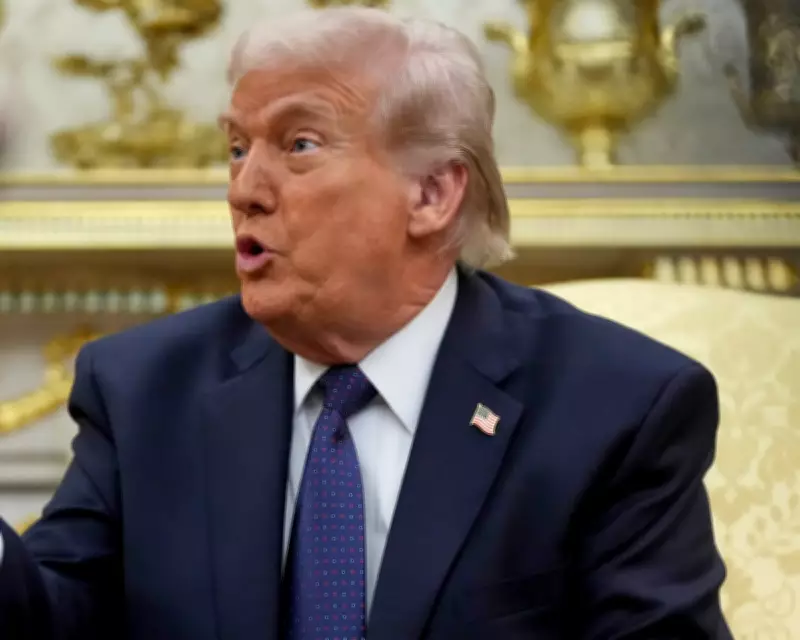
Fact-Checking Trump's Latest Claims About the UK: Half-Truths and Falsehoods
In a recent public address, former US President Donald Trump made several assertions about the United Kingdom that have come under intense scrutiny. A thorough fact-check reveals a troubling pattern of misinformation, blending partial truths with outright falsehoods. This analysis examines the accuracy of his statements, focusing on key areas such as Brexit outcomes, trade agreements, and political dynamics.
Brexit Claims: Exaggerations and Misrepresentations
Trump asserted that Brexit has been an "unqualified success" for the UK, claiming it has led to unprecedented economic growth and sovereignty. However, official data tells a different story. While the UK has regained certain legislative controls, economic indicators show mixed results. Post-Brexit trade has faced significant disruptions, with exports to the EU declining in some sectors. Moreover, growth rates have not matched the levels predicted by some proponents, and inflation has been a persistent issue. Trump's portrayal overlooks these complexities, presenting an overly simplistic and optimistic view that does not align with the nuanced reality documented by UK government reports and independent economic analyses.
Trade Agreement Statements: Inaccurate Portrayals
Another claim involved the UK-US trade relationship, with Trump suggesting that a "fantastic deal" was secured under his administration. In reality, no comprehensive trade agreement was finalized between the two nations during his presidency. Discussions were ongoing, but they did not result in a signed pact. The UK has since pursued trade deals with other countries, but Trump's statement implies a level of achievement that is not supported by the facts. This misrepresentation could mislead the public about the current state of international trade negotiations and the UK's economic strategy post-Brexit.

Political Relationships: Distorted Narratives
Trump also commented on UK political figures, implying strong alliances and shared policies. While he did have meetings with UK leaders, his characterization of these relationships as uniformly positive and impactful is exaggerated. For instance, his claims about influencing UK immigration policies are not substantiated by official records. The UK's immigration framework has evolved independently, with domestic considerations playing a primary role. Such statements risk distorting public understanding of diplomatic interactions and the autonomy of UK decision-making processes.
Impact of Misinformation on Public Discourse
The propagation of half-truths and falsehoods by high-profile figures like Trump can have significant consequences. It can erode trust in political institutions, confuse voters, and hinder informed public debate. In the context of UK affairs, inaccurate claims about Brexit and trade may shape perceptions in ways that do not reflect the actual challenges and opportunities facing the nation. Fact-checking efforts are crucial to counter this trend, providing evidence-based corrections that promote transparency and accountability.
In summary, Trump's latest remarks on the UK contain a mix of inaccuracies and oversimplifications. From Brexit to trade and politics, his statements often stray from the documented facts, highlighting the importance of rigorous verification in today's media landscape. As discussions about the UK's future continue, relying on accurate information is essential for meaningful dialogue and effective policy-making.