Globalisation Under Siege: Iran Conflict Sparks Economic Turmoil
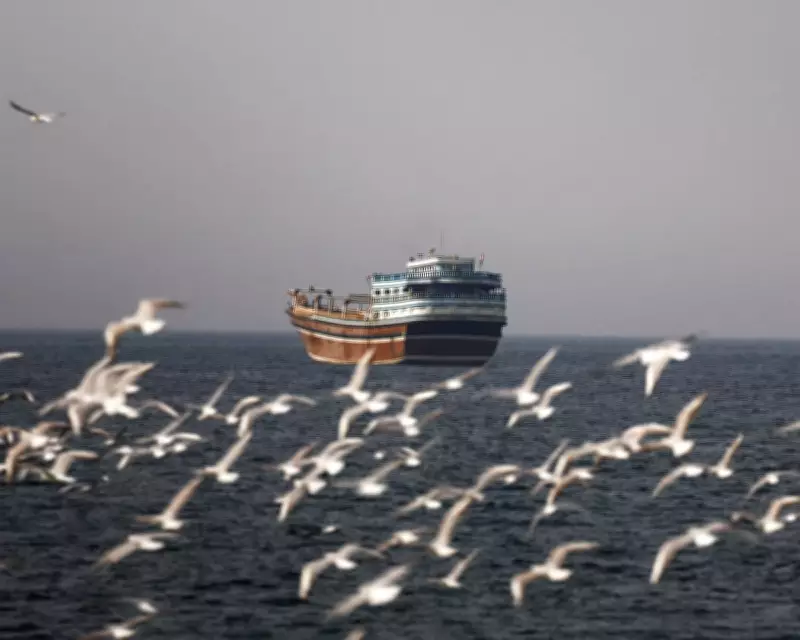
A boat navigates the Strait of Hormuz from Musandam, Oman, on 2 March 2026, captured in a photograph by Amr Alfiky for Reuters. This narrow waterway, a critical artery for global oil, now symbolizes the escalating threats to worldwide economic integration.
Britain's Precarious Position in a Fragmenting World
In retaliation for US-Israeli missile strikes, Iran has launched comprehensive economic warfare. If hostilities persist, the repercussions will ripple across the globe, triggering a third major price surge since the pandemic. For Britain, this crisis compounds political instability, with both Labour and Conservative parties grappling with internal challenges.
Keir Starmer's hesitant response to the war underscores a deeper strategic dilemma: an economy designed for a globalised era struggles to adapt as globalisation unravels. The intricate web of international trade has created vulnerable choke points, where essential goods and resources must pass through confined spaces.

Critical Global Choke Points at Risk
- The Malacca Strait, only 40 miles wide, handles 80% of China's oil imports.
- The Panama Canal, with a narrowest point of 91 metres, faces drought-related restrictions.
- The Bab el-Mandeb Strait, between Yemen and Eritrea, facilitates 40% of Asia-Europe trade.
- The Strait of Hormuz transports one-fifth of the world's oil supply.
Blockages in these channels, whether from conflict, climate, or intent, have severe inflationary impacts. In 2024, combined disruptions at the Panama Canal and Bab el-Mandeb contributed 0.6 percentage points to global inflation. Climate change exacerbates these risks, with extreme weather amplifying the effects of geopolitical strife.
Financial Networks Amplify Military Threats
Currently, the Bab el-Mandeb and Hormuz straits are effectively blockaded. Major insurers have withdrawn war-risk coverage in the Persian Gulf, effectively halting shipping. The US has promised alternative insurance and naval escorts, but implementation may take weeks, allowing economic shocks to spread.
Britain is exceptionally vulnerable to these pressures. Political economist Helen Thompson notes that decades of globalisation, marked by financial deregulation in London and deindustrialisation in northern regions, have left the UK exposed. The country imports more than it exports, relying on global goodwill to sustain living standards.
Dual Dependencies: Financial and Material
Britain's external dependency manifests in two forms. Financially, it depends on foreign capital to cover trade imbalances, accumulating debts worth 550% of GDP—the highest in the G7. This reliance on "the kindness of strangers," as former Bank of England governor Mark Carney termed it, risks capital flight, currency devaluation, and rising interest rates if confidence wanes.
Materially, the UK imports 50% of its natural gas and 40% of its food, with true food import dependency estimated near 80% when factoring in fertiliser and energy needs. The 2022 Russia-Ukraine war highlighted this vulnerability, causing gas price spikes that eroded living standards. Now, with the Iran conflict, European gas prices have risen 40%, and UK spot prices have nearly doubled.
Immediate Impacts and Long-Term Solutions
Households are temporarily shielded by the energy price cap, but Ofgem may announce significant increases in July. Food prices are also set to rise, with 15% of global grain trade passing through Bab el-Mandeb and fertiliser costs climbing with fossil fuels.
Addressing these issues requires substantial investment and time. Transitioning to renewables, as Energy Secretary Ed Miliband advocates, could reduce energy import reliance. Food system reforms, such as adopting new farming techniques and reducing fertiliser dependency, are also crucial. Climate change, while disruptive, may offer opportunities, like rice cultivation in Cambridgeshire or olive production in Essex.

Political and Economic Imperatives
Financing these transitions is challenging amid inflation and borrowing costs. A "big push" necessitates downward redistribution through wealth taxes and curbing profiteering. Price regulations may be needed to protect households from energy and food surges, taxing super-profits in energy and defence sectors.
The link between rural environmental crises and urban food-price pressures underscores the need for cohesive politics. As globalisation falters, Britain must navigate its dependencies to secure a stable future.