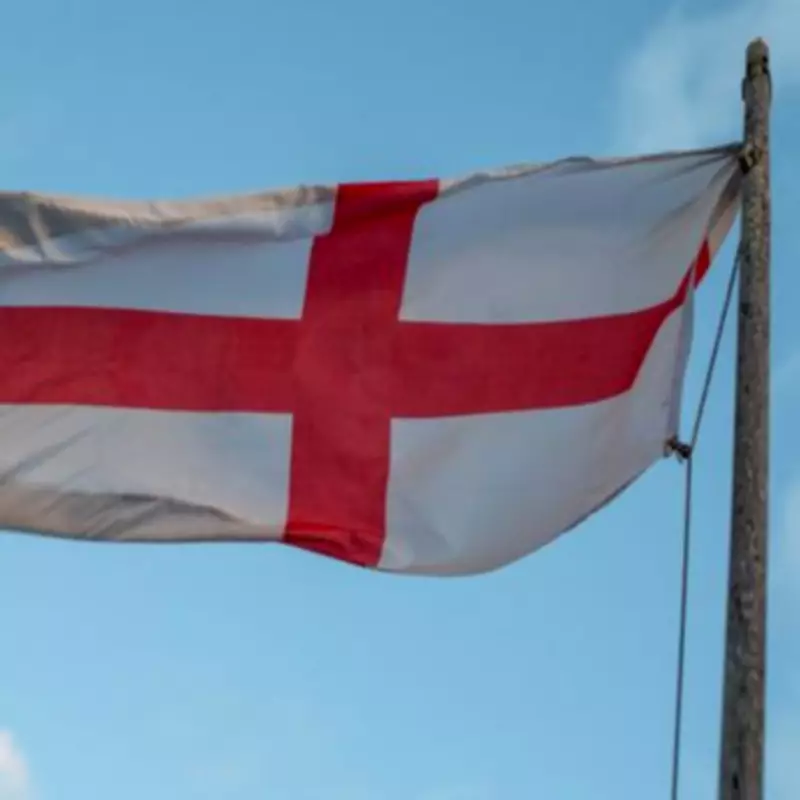
The UK Government has disclosed the substantial cost of establishing St George's Day as a bank holiday, even for a single year. Campaigners have long pushed for England's annual celebration to become an official day off work, especially given that Scotland already enjoys an additional bank holiday for St Andrew's Day.
The Historical Significance of St George's Day
St George's Day, honouring England's Patron Saint, has been deeply embedded in the nation's calendar for centuries, tracing its origins to St George's death in 303 AD. During the 15th century, the occasion was regarded with comparable importance to Christmas Day.
Previous Proposals and Political Reactions
In 2017, then-Labour leader Jeremy Corbyn proposed introducing four additional bank holidays, one for each patron saint of the home nations. Advocates for an April 23 bank holiday have highlighted that the UK has fewer bank holidays annually than other comparable countries, with the European Union average standing at 11.

When questioned in 2024, then-opposition leader Keir Starmer stated that introducing a new bank holiday for St George's Day would be unfeasible due to 'the economy'. Then-Prime Minister Rishi Sunak similarly refused to pledge support. Sir Keir told the BBC: "A bank holiday would be very nice, but I think that, with the economy where it is at the moment, we have to celebrate in and around the work that we're doing, because we need to absolutely take our country forward."
The Estimated Cost and Government Stance
The Government revealed to the Express that the estimated cost of a one-off additional bank holiday, similar to the one introduced for the King's Coronation in 2023, would amount to approximately £2 billion for the UK. Consequently, there are currently 'no plans' to designate 23 April as a bank holiday.
A spokesperson confirmed: "While we are proud to celebrate all of our patron saints, the current pattern of bank and public holidays is well established, and we have no plans to change it."