Interest Rates Ineffective Against Geopolitical Inflation, Experts Warn
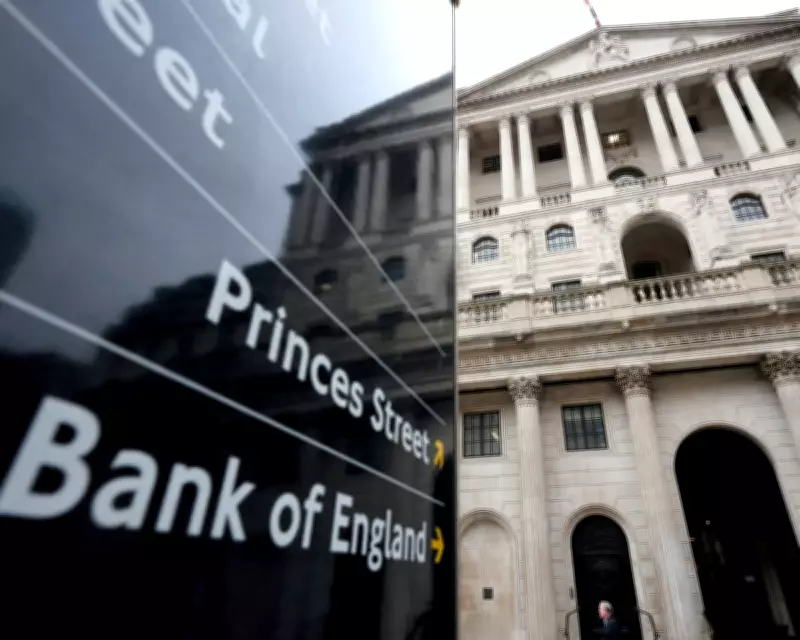
As the Bank of England's monetary policy committee convenes this Thursday, it confronts a global inflation crisis triggered by the illegal US-Israel war on Iran. The immediate catalyst is the Iranian military's effective closure of the Strait of Hormuz, a critical chokepoint through which 20%-30% of the world's oil, gas, and fertilizer shipments normally transit from Gulf states.
Benchmark oil and gas prices have surged by over 40% and 50%, respectively. The UK is particularly vulnerable, being a net importer of gas with an energy market where global gas prices directly influence electricity costs. While the energy price cap will protect most households until summer, UK diesel prices have already risen by approximately 12% and petrol by 6%. In response, the government has introduced a £53 million support package for rural households reliant on oil heating.
Fertilizer Shortage Threatens Global Food Security
Analysts warn that the fertilizer shortage could precipitate a global food shock surpassing the 2022 crisis following Russia's invasion of Ukraine, threatening food production across multiple continents. The UK's food self-sufficiency stands at just 54%, starkly lower than countries like the US, France, and Australia, which are fully self-sufficient and capable of feeding their populations without imports if necessary.

Amid sluggish growth—the economy flatlined in January—and gently declining inflation since last summer, the Bank has been gradually reducing interest rates from a peak of 5.25% in summer 2024 to 3.75%. However, expectations now suggest these cuts may halt, with financial markets pricing in a rate increase to 4% by mid-next year, immediately reflected in rising mortgage rates.
Historical Context and Current Realities
Central banks, including the Bank of England, faced criticism for slow rate hikes during the previous inflation spike caused by Covid shutdowns and the Russia-Ukraine war. Yet, as the cost-of-living crisis worsens for UK households, experts urge the Bank to maintain its course of lowering rates. This represents another supply-side shock where interest rate adjustments have minimal impact on price pressures but further stifle growth and investment.
Evidence indicates that the rapid rate hikes of 2022 had little effect on inflation. The primary driver of reduced price growth was the eventual decline in energy and food prices in late 2022. A 2025 International Monetary Fund study found that inflation-targeting central banks that aggressively raised rates in 2022 performed no better than non-targeting banks in managing the 2021-2022 price rises.
Monetary Policy Framework Flawed
The current monetary policy framework in the UK, US, and eurozone remains influenced by the 1970s Middle East war inflation crisis. Then, energy price hikes triggered wage-price spirals, leading central banks to crush inflation with high rates in the early 1980s, albeit at the cost of severe recessions and prolonged unemployment. Since then, central banks have focused on anchoring inflation expectations by preempting wage-price spirals with rate hikes.
Today, the landscape differs markedly. Labour power has waned due to declining trade unions and a globalized workforce, while firms in energy and food sectors wield significant market power to set prices arbitrarily. During the 2021-23 inflation period, there was scant evidence of wage-price spirals; instead, profit-price inflation prevailed as firms maintained profits by increasing prices, amplifying initial supply shocks into broader inflation.
Household Expectations and Policy Alternatives
Surveys reveal that household inflation expectations are primarily shaped by short-term changes in the prices of frequently purchased goods like groceries and gas, rather than confidence in central banks' long-term price control abilities. Consequently, the Bank of England should acknowledge that its main policy tool is largely irrelevant in addressing geopolitical supply shocks.

Instead, it should collaborate with the government to implement price caps or controls on essential services, preventing firms from passing price shocks to consumers. Public ownership in sectors like energy could also be a viable alternative, as demonstrated by countries such as Spain, where such measures proved more effective in curbing inflation than rate hikes.
Lower Rates Support Government Interventions and Clean Energy
By lowering interest rates, the Bank can reduce the cost of government interventions and stimulate investment in clean energy sectors, crucial for reducing the UK's dependence on imported fossil fuels. Some members of the Bank's monetary policy committee recognize this. LSE economist Swati Dhingra noted last year that monetary policy alone is ill-suited to address systemic price shocks in key sectors like energy and food, potentially hindering investment and exacerbating future vulnerabilities.
Regrettably, Dhingra appears to be in the minority on the rate-setting committee. As the Bank deliberates this week, there is hope for a shift in strategy to better address the unique challenges posed by the current inflation crisis.