Bank of England Poised to Maintain Interest Rates Amid Middle East Turmoil
The Bank of England is widely expected to hold interest rates steady this week as geopolitical tensions in the Middle East continue to disrupt global energy markets and fuel inflationary concerns. Economists across the financial sector are predicting that the Monetary Policy Committee (MPC) will adopt a cautious stance during its Thursday meeting, with the base rate likely remaining at 3.75 percent.
Economic Forecasts Shift Due to Conflict
Initially, many analysts had anticipated a potential rate cut following January's inflation easing to three percent, marking the lowest level since March of the previous year. However, the outbreak of war in the Middle East has dramatically altered the economic landscape. Energy prices have surged due to significant disruptions in oil and gas supplies, reigniting inflationary pressures that had shown signs of cooling.
Sanjay Raja, chief UK economist at Deutsche Bank, emphasized that the MPC will likely take a "dovish 'wait-and-see' approach" in their upcoming decision. He noted that the committee's vote is expected to be less divided compared to February, driven by changing perceptions of downside risks to inflation and new risk management considerations stemming from the energy price shock.

Experts Warn of Prolonged Impact
Edward Allenby, senior UK economist for Oxford Economics, concurred, stating that "the conflict in the Middle East has thrown a spanner in the works." He added, "Against this backdrop, it's almost certain that the MPC will keep bank rate unchanged at 3.75 percent at the March meeting." Allenby suggested that if the energy shock proves temporary and recent price increases reverse, the MPC might resume its cutting cycle in April or June.
Economists are closely monitoring the duration of the conflict as a key factor influencing future rate decisions. Analysis from Oxford Economics indicates that the UK could face a recession if oil prices climb to $140 per barrel and remain elevated through May. Oil prices recently closed above $100 for the first time since 2022, ending the week at over $103 per barrel.
Trump's Stance Complicates Resolution
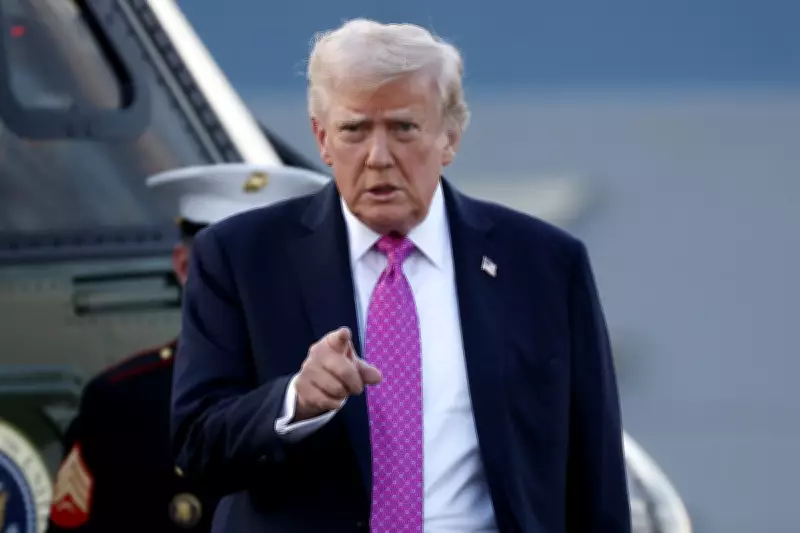
Adding to the uncertainty, President Donald Trump has firmly rejected the possibility of a deal with Iran, stating, "Iran wants to make a deal, and I don't want to make it because the terms aren't good enough yet." He emphasized that any agreement would need to be "very solid." Iran has threatened to block oil exports from the region and continues to obstruct the Strait of Hormuz, a critical passage for approximately one-fifth of the world's oil supply.
Philip Shaw, chief economist at Investec, commented, "For now we have not shifted our baseline call of an easing in both April and July, but this is dependent on not only the war ending within a few weeks, but also a relatively orderly transition subsequently towards the normalisation of energy production and distribution." He warned that if the situation persists longer, hopes for lower interest rates could be delayed for months.
Inflation Risks and Future Projections
Despite inflation risks being "skewed firmly to the upside," Raja noted that it would require substantial evidence for the Bank to consider hiking rates. Deutsche Bank forecasts two rate cuts later in the year, contingent on further declines in core inflation and a potential resolution to the Iran conflict.
Ashley Webb, UK economist at Capital Economics, asserted that the Bank of England would address the inflationary impact of the Middle East conflict by maintaining rates at 3.75 percent. However, he cautioned that "the rise in market interest rate expectations has gone too far," suggesting that current market reactions may be overly pessimistic.
As the MPC prepares to convene, the intertwined dynamics of geopolitical strife and economic policy remain at the forefront, with analysts urging vigilance in monitoring how prolonged conflict could reshape the UK's financial trajectory.