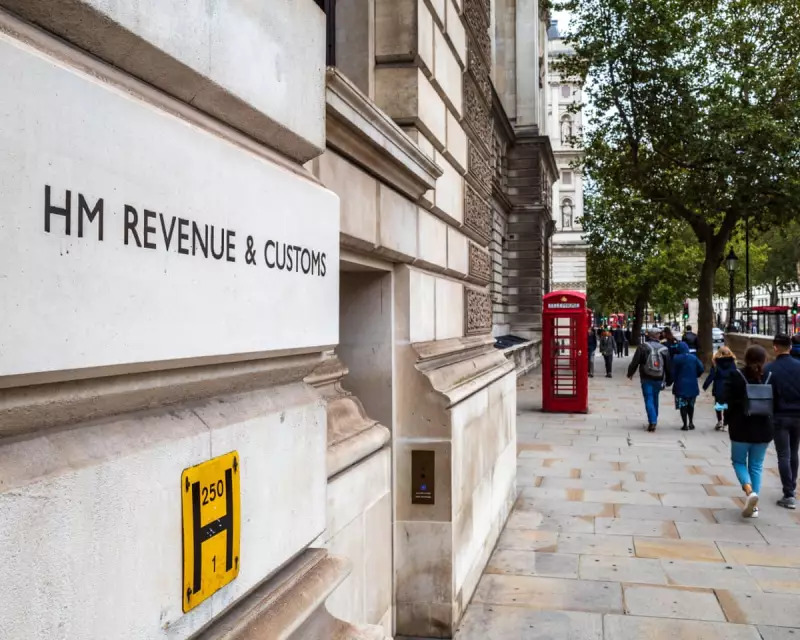
A controversial anti-fraud pilot scheme run by HMRC incorrectly suspected nearly half of targeted families of fraud after using flawed Home Office travel data, an investigation has revealed.
Massive Error Rates in Fraud Detection
The pilot programme, which saved HMRC approximately £17 million, wrongly identified 46% of families as having emigrated when they were still living in the UK. This error margin dramatically exceeds scientifically acceptable standards of 1% to 5%.
The situation was particularly severe in Northern Ireland, where 78% of families were incorrectly flagged as not returning from trips abroad. During the pilot, authorities identified 129 families as having left the country when only 28 had actually done so.

Political Fallout and Constituent Complaints
Kim Johnson, Labour MP for Liverpool Riverside, has demanded an urgent investigation after being contacted by multiple constituents who had their benefits stopped unexpectedly.
The Liberal Democrats and Greens have raised serious concerns in Parliament about the scheme's implementation. Liberal Democrat peer Tim Clement-Jones has formally questioned why the government hasn't published the business case and data protection impact assessments.
Green peer Natalie Bennett has asked what internal assessment procedures have been established since the child benefit freezes came to light.
Real Families, Real Consequences
The human impact of these errors has been significant. One woman had her benefits stopped after booking a flight to Italy that she never boarded because her child suffered an epileptic seizure at the departure gate.
Another parent lost benefits despite not taking a booked flight because the wedding they planned to attend was cancelled.
Angela, one affected parent, described her experience: "I have spent the whole day requesting letters from schools, nursery, the GP, while my partner finds bank statements, and we both try to dig out our travel information."
She added: "I have found it quite upsetting to be so accused, when I am diligent about fulfilling HMRC requirements as an individual, a company director and a charity trustee."
Systemic Problems and Expert Concerns
Immigration barrister Colin Yeo of Garden Court Chambers warned that "relying on Home Office data for punitive purposes is always going to be problematic."
He expressed alarm that the data was being used "when the data so obviously doesn't bear the weight that they are placing on it."
The revelations follow a joint investigation by the Guardian and the Detail website, which initially revealed that hundreds of families in Northern Ireland had benefits stopped after returning to the UK via Dublin airport.
Subsequently, it emerged that approximately 23,500 letters cutting child benefit had been sent to parents across the UK, affecting families in Rochdale, Liverpool, London, Brighton and Glasgow.
HMRC Response and Ongoing Issues
HMRC has stated it will no longer use data on travel through Dublin airport to infer fraud, recognising it's part of the common travel area. The department has also committed to not stopping benefits without cross-checking with PAYE records and contacting the person concerned first.
An HMRC spokesperson said: "We're very sorry to those whose payments have been suspended incorrectly. We have taken immediate action to update the process, giving customers one month to respond before payments are suspended."
Despite this apology, some parents report continuing difficulties. Some are still receiving suspension letters more than a week after HMRC's apology, and many struggle to get through to the dedicated helpline established to handle incorrect suspensions.
While some parents have experienced swift resolutions, foreign nationals particularly report that customer service staff still demand extensive evidence to prove they aren't committing fraud.
The department maintains that "the majority of suspensions are accurate" and emphasises its commitment to protecting taxpayers' money.