

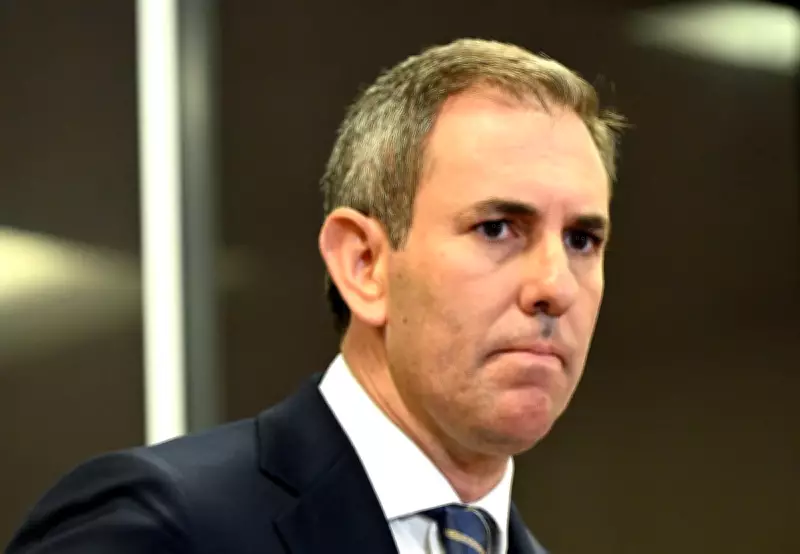
Inflation Resurgence Puts Treasurer's Forward-Looking Agenda Under Pressure
The Australian treasurer, Jim Chalmers, had strategically shifted towards a more forward-looking economic agenda focused on long-term productivity growth, but finds himself increasingly on the defensive as inflation concerns dominate political discourse. He is now facing persistent questions about whether substantial government expenditure might be contributing to sustained price pressures across the economy.
Cost of Living Crisis Threatens to Derail Government's Second-Term Plans
The resurgence of inflation represents a significant threat to the Albanese government's carefully laid second-term agenda. What was once considered a temporary economic challenge has evolved into a persistent problem that could poison Labor's reform ambitions and potentially drive disillusioned voters toward political fringes.
With cost of living pressures continuing to dominate household concerns across Australia, the economic landscape has shifted dramatically. The return of high and rising inflation not only undermines workers who were beginning to experience real wage growth through 2025, but also risks further polarising an already tense political environment.

Interest Rate Concerns Grow Amid Economic Uncertainty
Recent data from Westpac's consumer confidence survey revealed growing pessimism among Australian households during January, with analysts attributing this sentiment primarily to renewed fears about potential interest rate increases. These concerns appear increasingly justified as economic indicators point toward tighter monetary policy.
The Reserve Bank of Australia is widely expected to implement an interest rate hike when it meets this Tuesday, marking what would be the first increase since November 2023. This development would deliver a significant blow to heavily indebted mortgage holders across the country, many of whom are already grappling with rising electricity costs as government subsidies gradually phase out.
Persistent Price Pressures Challenge Budget Planning
Consumer price growth has been climbing steadily for six consecutive months, reaching 3.8% - substantially higher than the 2.4% rate recorded leading into the last federal election. Treasurer Chalmers has acknowledged that some inflationary pressures are temporary, linked to seasonal factors like holiday pricing and the scheduled conclusion of energy bill support measures.
However, the treasurer has also conceded that persistent price pressures within the Australian economy will have "a very substantial bearing on the budget settings" moving forward. This admission comes as the government faces difficult questions about whether to reinstate power bill subsidies while simultaneously defending against accusations that high public spending is fueling inflation.
Political Landscape Grows Increasingly Fractured
The political stakes surrounding inflation management have never been higher. Economic grievance has emerged as a powerful driving force in Australian politics, mirroring trends observed across Western democracies. Research from the Scanlon Foundation's Mapping Social Cohesion report consistently identifies financial wellbeing as the single most important factor influencing social cohesion.
Recent polling data reveals concerning trends, with One Nation's primary vote climbing to a record 22% nationally, and reaching 26% among voters aged 35-54. Political analysts note that while many voters don't necessarily believe fringe parties offer viable solutions, they credit them for at least acknowledging widespread economic frustrations.
As housing costs constitute a major component of consumer price measurements, opposition parties have been quick to attribute inflationary pressures to migration policies, setting the stage for potentially divisive political debates in coming months.
Government Seeks Path Forward Amid Economic Challenges
The May federal budget was initially envisioned as a launchpad for Labor's ambitious second-term agenda but now risks being consumed by economic battles the government believed it had already won. The Albanese administration faces the critical challenge of developing an economic agenda that delivers both hope and security to Australian households.

Political researchers warn that when governments fail to provide plausible pathways to economic security, voters increasingly resort to identity-based politics and resentment-driven decision making. For the current government, successfully navigating this inflationary period while maintaining public confidence represents perhaps their most significant economic and political challenge to date.
As inflation continues to shape economic policy discussions and political fortunes, the treasurer's ability to balance necessary spending with price stability concerns will likely determine the trajectory of Labor's second-term agenda and its broader political standing.





