MPs Condemn Gambling Lobby and Demand Tax Reforms
A powerful parliamentary committee has launched a scathing attack on the UK's £11 billion gambling industry, urging Chancellor Rachel Reeves to ignore what it calls 'scaremongering' from firms and raise taxes on the sector's most harmful and addictive products. The influential Treasury Select Committee delivered its report as the Treasury finalises its second budget, taking direct aim at the industry's lobbying efforts.
Targeting the Most Addictive Forms of Gambling
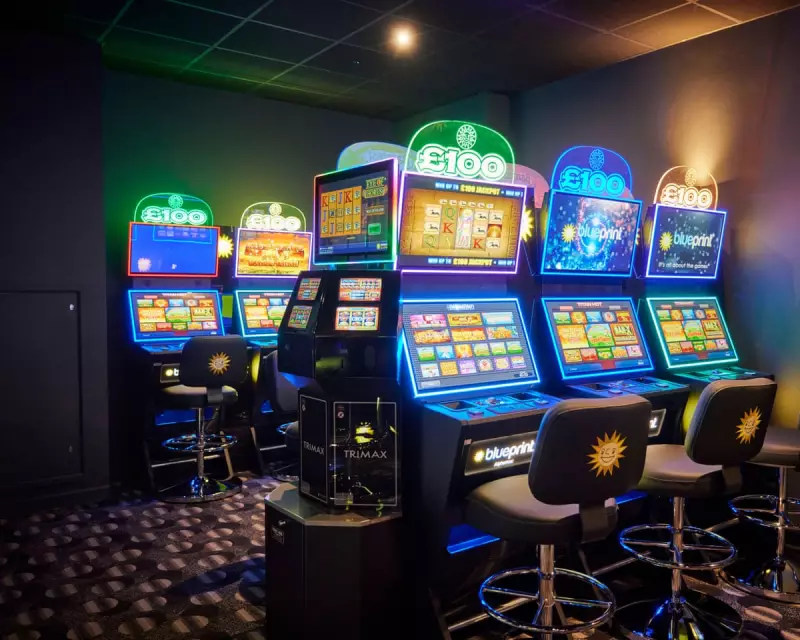
The cross-party group of MPs accused the gambling sector of hiding its more 'insidious' products behind traditional activities like horse racing and seaside arcades. They specifically called for higher duties to be imposed on high-street slot machines and online casino games, both of which are experiencing rapid growth. This push for tax increases on the most problematic segments of the industry echoes similar recommendations from think tanks and former Prime Minister Gordon Brown, who has proposed a £3 billion tax rise to fund an end to the two-child benefit limit.
The committee's recommendations come as gambling firms have mounted a fierce campaign against any tax increase, including a summer charm offensive targeting Labour MPs. Despite this, industry figures privately anticipate the Chancellor will opt for a more moderate rise, expected to generate between £1 billion and £1.5 billion in additional revenue.

'Staggering' Denial of Harm from Industry Lobbyist
In one of the report's most damning sections, the committee singled out the industry's chief lobbyist for what it described as a 'staggering' claim that gambling firms do not cause social harm. Committee Chair Meg Hillier recounted an 'extraordinary moment' during an evidence session last week when Betting & Gaming Council (BGC) Chief Executive Grainne Hurst repeatedly denied any link between gambling and social ills.
'You feel a moment in a room sometimes where everyone's jaw drops,' Hillier said. 'A couple of us pushed to ask if she was sure she was saying that. But she doubled down.' The committee explicitly connected tax policy to addiction risks, urging the Treasury to reflect the differing harm levels of gambling products through variable tax rates.
The current system applies multiple duty rates:
- General betting duty on sports: 15%
- Remote gaming duty: 21%
- Machine gaming duty for high-street slots: 20%
- Casino gaming duty: 15% to 50%
The committee joined think tanks the Social Market Foundation (SMF) and IPPR in urging the Chancellor to reject industry calls to harmonise these different duties, arguing instead for a risk-based approach.
Industry Warns of Job Losses and Unregulated Market
The BGC has vigorously defended its position, warning that tax increases would force firms to offer less favourable odds, potentially driving gamblers towards the unregulated black market. The industry body pointed to a report it commissioned from accounting firm EY, which suggested 40,000 jobs could be lost and the economy could suffer a £3.1 billion hit if taxes rise too sharply.
Bookmaker Betfred, owned by former Tory donor Fred Done, has even threatened to close all of its 1,287 shops in response to significant tax changes. A BGC spokesperson argued that a tax raid would backfire, 'reducing Treasury revenues and cutting the vital funding our members provide to British sport, including horseracing, football, rugby league, darts, and snooker.'
However, the committee remained unconvinced, citing evidence from the SMF that cast doubt on whether higher duty rates internationally lead to greater use of unregulated markets. With the budget imminent, the stage is set for a significant confrontation between MPs demanding public health-focused tax reforms and an industry fighting to protect its profitability.