

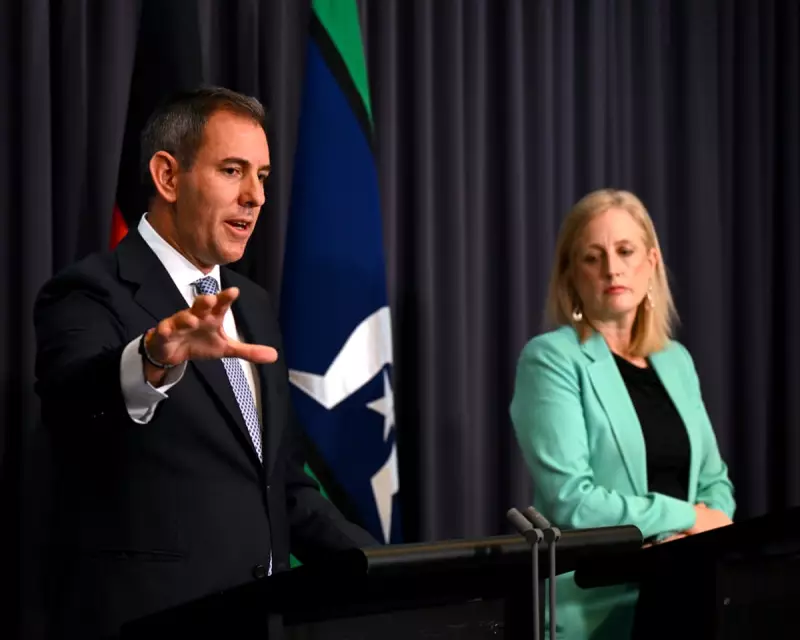
Treasurer Jim Chalmers is set to deliver a sobering midyear economic and fiscal outlook (Myefo), framing the government as valiantly resisting a surge in expenditure despite a deteriorating budget position.
A Deeper Dive into the Myefo Forecast
The upcoming update will reveal a projected budget deficit of $36.8bn for the current financial year, a figure that represents a near quadrupling from the previous year. While this is a $5.4bn improvement on the pre-election forecast, it starkly contrasts with the $10bn shortfall anticipated for 2024-25.
After two consecutive surpluses, the Commonwealth has already slipped back into the red. The Myefo will show only a modest combined improvement of $8.4bn over the four years to 2028-29, underscoring the persistent fiscal strain.

Mounting Pressures and Government Savings
Dr. Chalmers has repeatedly warned of $35bn in spending pressures bearing down on the budget. These include an extra $6.3bn for natural disaster relief, a $3bn increase for age pensions, and a further $2.1bn for military super benefits.
In response, the government is leaning heavily on savings measures. A central plank is $6.8bn in cuts to consultants, contractors, and labour hire, part of an overall $20bn savings package to be detailed. Furthermore, government departments have been instructed to find savings of up to 5% by reprioritising spending ahead of the May budget.
Specific policy adjustments are also on the cards. The government will inject an extra $5bn into its cheaper home battery scheme while limiting rebates for the most expensive batteries, following a significant cost blow-out.
The Long-Term Fiscal Challenge
The outlook beyond the immediate figures remains challenging. Treasury officials project a decade of deficits, with a return to balance not expected until the mid-2030s. This projection relies on optimistic assumptions about spending growth and an increasing tax burden on workers.
The political context adds another layer of complexity. With inflation's unwelcome return, the government is desperate to avoid being seen as fuelling the problem. Financial markets now speculate the Reserve Bank may be forced to raise interest rates, potentially as soon as February.
While the Labor government has cultivated a reputation for steady economic management, the Myefo will focus on budget responsibility rather than unveiling major long-term reforms. The treasurer recently received the Productivity Commission's reports on economic reform but has yet to release them, indicating that the difficult conversation about sustainable fiscal strategy is being deferred for another day.






