New Zealand Implements Groundbreaking Fuel Relief Program with Direct Cash Transfers
In an unprecedented response to escalating global fuel prices, the New Zealand government has announced a pioneering relief package that will provide direct weekly cash payments to approximately 157,000 low-income families. This initiative, believed to be the world's first government program offering direct cash assistance specifically for fuel relief since the onset of the Middle East conflict, aims to alleviate financial strain as petrol costs continue to climb dramatically.
Temporary Support for Working Families Amid Fuel Price Surge
Prime Minister Christopher Luxon and Finance Minister Nicola Willis revealed on Tuesday that the temporary measure will commence on April 1st and continue for one year, or until the price of 91 octane petrol remains below NZ$3 per litre for four consecutive weeks. The program specifically targets what the government describes as "the squeezed middle" – working parents with dependent children who earn modest incomes but do not qualify for traditional welfare benefits.
The relief package will operate through two primary channels:

- Approximately 143,000 families will receive an additional NZ$50 weekly through enhanced in-work tax credits
- Another 14,000 families with slightly higher incomes will qualify for reduced weekly payments
Fuel Crisis Intensifies with 40-50 Cent Price Hikes
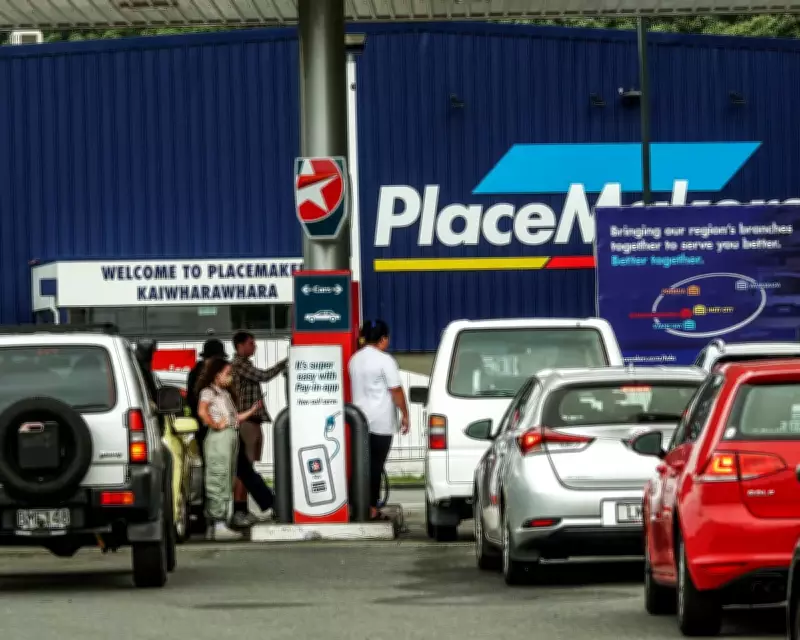
Since the outbreak of conflict in the Middle East, New Zealand has experienced significant fuel price increases, with petrol costs rising between 40 and 50 cents per litre. This surge has pushed the average price of unleaded fuel above NZ$3 per litre nationwide, creating substantial pressure on household budgets. Compounding the situation, some petrol stations have reported fuel shortages as consumers rush to stock up, while national fuel reserves currently stand at just 46 days' worth of combined petrol, diesel, and jet fuel supplies.
Prime Minister Luxon emphasized the dual challenge facing the nation, stating, "Our priority remains ensuring sufficient fuel supply for New Zealand, but we recognize that escalating pump prices are significantly impacting family finances." Finance Minister Willis added, "While we cannot control international conflicts or global oil markets, we can implement targeted support for working families who face unavoidable higher fuel costs."
Criticism and Global Context of Fuel Relief Measures
The government's approach has drawn criticism from opposition parties, particularly regarding its exclusion of vulnerable populations. Green Party co-leader Marama Davidson argued, "This package completely overlooks beneficiaries, retirees, and unpaid caregivers – those often hit hardest by rising living costs. In a genuine crisis, most New Zealanders receive no assistance whatsoever."
Globally, nations are implementing diverse strategies to address fuel price inflation and supply disruptions:
- The Philippines has reduced government work weeks to four days
- Sri Lanka has instituted fuel rationing systems
- Ireland plans excise duty reductions on fuels
- Thailand and South Korea have imposed domestic fuel price caps
- The Marshall Islands has decreased income taxes to offset living costs
New Zealand's direct cash payment approach distinguishes it as the first nation to provide such immediate financial relief specifically for fuel costs. This innovative response reflects the country's particular vulnerability to global energy shocks, given its geographic isolation, heavy dependence on international trade, and susceptibility to supply chain disruptions.
The temporary nature of the program, combined with its specific eligibility criteria, represents a calculated attempt to balance fiscal responsibility with targeted support during what officials describe as an exceptional global energy crisis. As fuel prices continue to fluctuate internationally, New Zealand's experiment with direct cash transfers may provide valuable insights for other nations grappling with similar economic pressures.