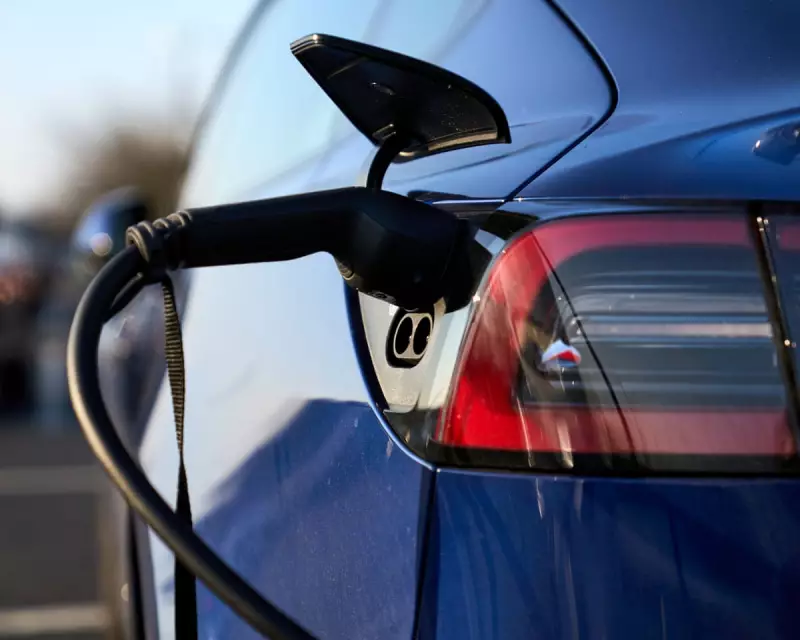
Chancellor Rachel Reeves is facing significant opposition to her proposed pay-per-mile road pricing system for electric vehicles, a policy that has ignited fierce debate across the political and motoring sectors.
The Case for Road Pricing Reform
The fundamental problem driving this controversial proposal is straightforward: the Treasury faces a massive £25 billion annual shortfall as drivers switch from petrol and diesel vehicles to electric alternatives. This transition is rapidly eroding revenue from fuel duty and vehicle excise duty, creating what Chancellor Reeves describes as an "unaffordable" gap in public finances.
Former Transport Secretary Lord Hammond's warning from 2016 now seems prescient. He cautioned that the shift to electric vehicles would eventually force governments to confront this revenue crisis. With the 2035 ban on new petrol and diesel car sales approaching, the clock is ticking louder than ever.

The Opposition's Concerns
Critics of the pay-per-mile system raise several valid concerns. The most prominent worry centres on fairness and privacy. Many question whether a tracking-based system that monitors every journey represents an unacceptable intrusion into personal privacy.
There are also practical concerns about implementation. How would the system account for different vehicle weights and their varying impact on road wear? Would it fairly distinguish between essential and discretionary travel? These questions remain largely unanswered in the current proposal.
The opposition isn't merely theoretical. Edmund King, president of the AA, has emerged as a vocal critic, arguing that the timing is wrong and public acceptance is lacking. His organisation represents millions of motorists who would be directly affected by the new charging regime.
Alternative Solutions and Political Reality
Some suggest simpler alternatives to the complex pay-per-mile model. Increasing road tax for electric vehicles or adding levies to public charging points could provide temporary solutions, though these approaches wouldn't fully address the fundamental shift in how we fund road maintenance.
The political challenge cannot be overstated. Any government implementing such a system risks voter backlash, particularly from the growing number of electric vehicle owners who made the switch partly based on financial incentives that now appear threatened.
However, as the Guardian's analysis notes, the sheer scale of the financial black hole means doing nothing isn't a viable option. The debate isn't really about whether to tax electric vehicle use, but how to do it fairly and effectively.
The Path Forward
The government faces the difficult task of balancing fiscal responsibility with public acceptance. A successful implementation would likely require:
- Clear communication about why the change is necessary
- Robust privacy protections for any tracking system
- Fair consideration of different user needs
- Gradual implementation to allow for adjustment
What's certain is that the transition to electric vehicles demands a parallel transition in how we fund our road infrastructure. The debate over pay-per-mile taxation represents just the beginning of this necessary conversation.
As more drivers embrace electric vehicles, the pressure on the Treasury will only intensify. The question isn't whether electric vehicles should contribute to road funding, but finding the right mechanism that balances efficiency, fairness, and public acceptance.