Chancellor Rachel Reeves Outlines Economic Response to Iran War Impact
Chancellor Rachel Reeves provided a comprehensive update to Members of Parliament on Tuesday, detailing the government's strategic approach to mitigating the economic repercussions of the Iran war on both consumers and the broader UK economy. While refraining from announcing immediate specific support measures, Reeves emphasized that contingency planning is actively underway to address the challenging months ahead.
Targeted Support Over Universal Subsidies
Following the effective closure of the Strait of Hormuz, which triggered significant spikes in oil and gas prices, there has been widespread speculation about potential government intervention to shield households from escalating utility bills. However, Reeves made it unequivocally clear that she has no intention of replicating the across-the-board subsidies introduced by former Prime Minister Liz Truss in autumn 2022.
Those subsidies ultimately cost the Treasury approximately £40 billion and provided £1,350 to households in the top ten percent of earners. Reeves criticized this approach, stating it "left us with high levels of national debt, a cheque written then for a bill that is still being paid today."

Instead, the chancellor revealed that officials are collaborating with the Department for Work and Pensions and local authorities to compile the necessary data for implementing more targeted support aimed at poorer households. This strategy is designed to achieve a lower cost to taxpayers and aligns with longstanding recommendations from thinktanks like the Resolution Foundation.
Regarding timing, Reeves indicated that energy bills are expected to decrease from April due to measures enacted in her autumn budget, including shifting some green levies to general taxation. However, forecasts predict a subsequent rise to nearly £2,000 in July when the next quarterly energy price cap, based on market prices, takes effect. Reeves hinted that any additional support might not be implemented until autumn, noting that most household energy expenditure occurs during winter months.
Cracking Down on Price Gouging and Profiteering
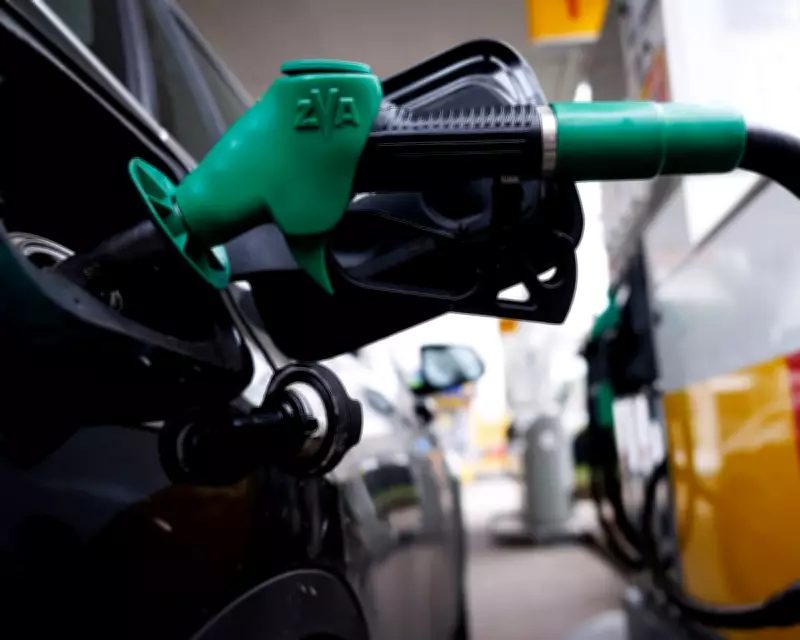
From the onset of the conflict, the government has issued stern warnings against companies exploiting the crisis to the detriment of consumers. This stance has been so forceful that petrol retailers once threatened to withdraw from a meeting with the chancellor, accusing the government of using "inflammatory language."
Recent academic research suggests that companies often leverage economy-wide shocks to increase profit margins. To combat this, Reeves pledged to empower the Competition and Markets Authority with the necessary regulatory tools to prevent profiteering. "This government will not tolerate any company exploiting this crisis," she asserted.
Additionally, Reeves announced plans to meet with supermarket and bank executives later this week to ensure these industries are taking all possible steps to assist consumers during this period of economic strain.
Fuel Duty and Broader Economic Measures
Opposition parties have vigorously campaigned for Reeves to cancel a planned 1p per litre increase in fuel duty scheduled for September, followed by further 2p rises in December and March. These adjustments are intended to reverse a 5p per litre cut implemented by the previous Conservative administration but now appear poorly timed given the global context.
With oil prices remaining above $100 per barrel and petrol costs already 13.5p per litre higher than pre-conflict levels according to the RAC, Reeves did not commit to cancelling the planned rises. However, she promised to deliver an "update on fuel pricing within the next month."
Reeves also highlighted the potential economic benefits of a sanitary and phytosanitary (SPS) deal with the European Union, which would eliminate veterinary checks on exports and could subsequently reduce food prices. The government aims to conclude these negotiations by year-end, nearly two and a half years after Labour's manifesto commitment to securing an SPS agreement.

Furthermore, the chancellor has directed officials to examine whether reducing tariffs on certain agrifood imports could lower consumer prices. In the energy sector, Reeves confirmed plans to legislate based on the findings of the Fingleton review, which focuses on accelerating the construction of new nuclear power stations and reducing associated costs. She also pledged to modify planning rules to ensure critical energy projects can proceed despite legal challenges.
While these long-term measures will not provide immediate relief to consumers facing rising bills in the coming months, they represent a strategic approach to bolstering the UK's economic resilience and transitioning toward cleaner energy sources.