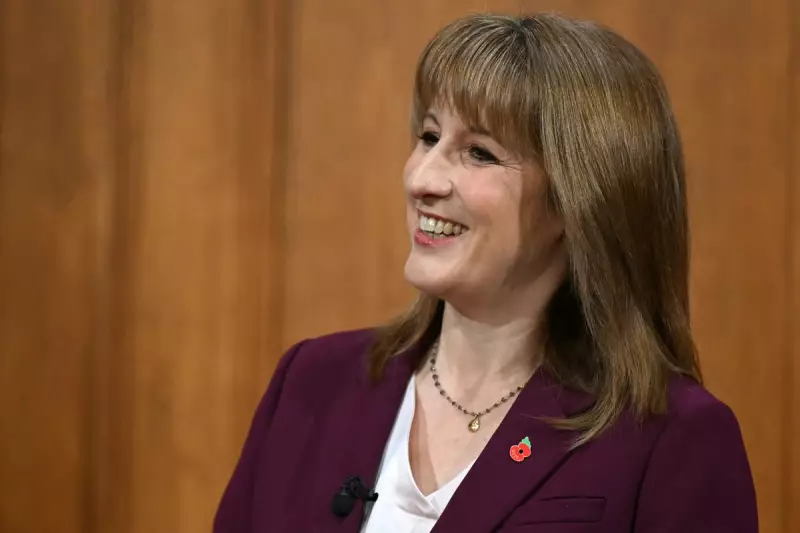
Chancellor Rachel Reeves has delivered the clearest signal yet that the Labour government is prepared to break its flagship election promise not to raise key taxes, setting the stage for a highly consequential Autumn Budget.
A Stark Choice for the Treasury
In a candid interview with BBC Radio 5 Live on November 10, just ahead of her November 26 Budget statement, Reeves outlined the government's difficult position. She stated that adhering to the manifesto commitments would necessitate "deep cuts in capital spending" on vital national projects.
The Chancellor argued that such cuts to investment in rail, road, energy, and digital infrastructure have been a primary cause of the UK's poor productivity and growth in recent years. She positioned her upcoming decisions as being focused on protecting long-term economic growth, even if that means reneging on tax promises made during Sir Keir Starmer's landslide election campaign.

What Changes Could Be Coming for Your Wallet?
The Treasury has confirmed it is reviewing both taxes and spending. While a direct increase in income tax rates is considered politically very risky, several other mechanisms are on the table that would effectively increase the tax burden for millions.
Income tax thresholds could be frozen once more. This would mean the points at which you start paying higher rates of tax would not rise with inflation or wages. The result? As your pay increases, a larger portion of your income could be taxed at a higher rate, reducing your real take-home pay even if you get a nominal raise.
Although Labour vowed not to hike National Insurance for employees, an increase for employers is a possibility. This would directly target businesses, but economists warn the cost could be passed on to workers through slower wage growth, reduced hiring, or higher prices for goods and services.
In a potential move to support families, the Chancellor strongly hinted that the controversial two-child benefit cap may be scrapped. Reeves labelled child poverty "a cost to our economy," suggesting its removal would provide extra financial support for larger families. However, this would likely need to be funded by tax increases elsewhere.
Reports also suggest the government is considering changes to wealth and property taxes, such as capital gains or inheritance tax, potentially focusing the burden on wealthier households with significant assets or investment income.
Political Fallout and Economic Justification
Reeves is defending her position by insisting any changes will be made "in the national interest." She points to a "perfect storm" of economic pressures, including ongoing wars in Ukraine and the Middle East, and global trade tensions exacerbated by Donald Trump's tariffs.
The Chancellor has also cited early successes from her first Budget, claiming that previous tax adjustments have helped stabilise public finances, cut NHS waiting lists, and paved the way for lower interest rates.
However, the potential U-turn is not without its critics. Labour's own deputy leader, Lucy Powell, has warned that breaking the tax pledge could damage public trust. Meanwhile, Conservative shadow chancellor Sir Mel Stride has accused Reeves of "pulling the wool over voters’ eyes," claiming she has already raised taxes by £40 billion and is preparing to do so again.
With the Budget announcement scheduled for November 26, millions of UK workers are now waiting to see how the Chancellor's "difficult decisions" will impact their household finances.