Chancellor to Detail Emergency Response to Iran War-Driven Inflation
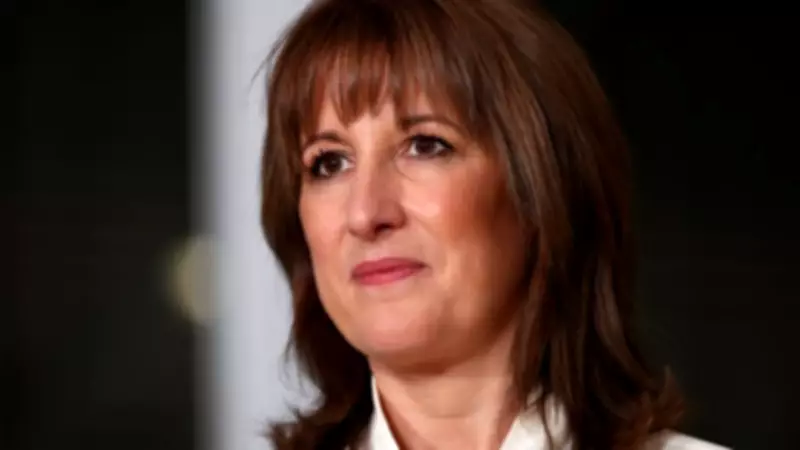
Chancellor Rachel Reeves is poised to deliver a critical statement in the House of Commons this afternoon, outlining comprehensive government plans to address severe price hikes triggered by the ongoing war in Iran. This announcement follows Prime Minister Sir Keir Starmer's revelation that the administration is considering extending support for household energy bills through the end of the year.
Anti-Profiteering Framework and Regulatory Powers
Central to the chancellor's proposals is the introduction of a robust "anti-profiteering framework" designed to identify and penalize companies exploiting the Middle East crisis for excessive profit. The initiative aims to empower the Competition and Markets Authority (CMA) with enhanced, time-limited authorities to root out price gouging across essential sectors.
A government spokesperson emphasized the commitment to fairness, stating: "We will not allow companies to exploit this crisis to hike their prices to unjustifiable levels. Whether at the fuel pump filling up your car or at the till paying for your groceries, we are working with regulators to ensure the price you pay is fair."

Energy Security and Bill Support Measures
Reeves is expected to stress the urgent need for Britain to diversify its energy mix, advocating for accelerated nuclear power development without obstruction. She will announce exploration of government-backed indemnities for critical energy security projects, ensuring construction continues even if faced with legal challenges.
With forecasters predicting energy bills will reach a three-year high when the current price cap expires in June, the chancellor's statement may include details on additional support. Prime Minister Starmer confirmed to Parliament's Liaison Committee that the government is "equally focused" on the next price cap period, though he cautioned that support would not mirror the extensive measures of the 2022 energy crisis due to current fiscal constraints.
Geopolitical Context and Economic Impact
The Iran conflict has severely disrupted global energy markets, particularly through the effective closure of the Strait of Hormuz—a vital passage for 20% of the world's oil and liquefied natural gas. This disruption has caused oil and gas prices to soar, directly impacting UK consumers.
Prime Minister Starmer reiterated that the UK would not be "dragged into" the Iran conflict, describing it as "not our war," while acknowledging its substantial economic repercussions. The chancellor's emergency proposals were formulated during a Cobra meeting yesterday, reflecting the government's coordinated response to the crisis.
The comprehensive plan seeks to balance immediate consumer protection with long-term energy strategy, addressing both profiteering concerns and supply vulnerabilities exposed by the geopolitical turmoil.