With less than three weeks until her crucial autumn budget, Chancellor Rachel Reeves is about to receive the first official assessment of her tax and spending plans from the Office for Budget Responsibility (OBR).
The Bond Market's Watchful Eye
While the OBR's verdict on Monday is significant, the true arbiter of the government's financial strategy remains the bond market. Recent weeks have seen a rally in gilt markets, lowering the cost of government borrowing. This provides a sliver of optimism for the Chancellor, who has heavily emphasised her commitment to fiscal discipline to reassure jittery investors.
However, the stakes are immense. The government is attempting to fill a fiscal gap estimated at up to £30bn. The chosen path—whether through tax increases, spending cuts, or a combination—will have profound consequences for economic growth, inflation, and household living standards.

The City's Simplistic Demand: Cut Welfare
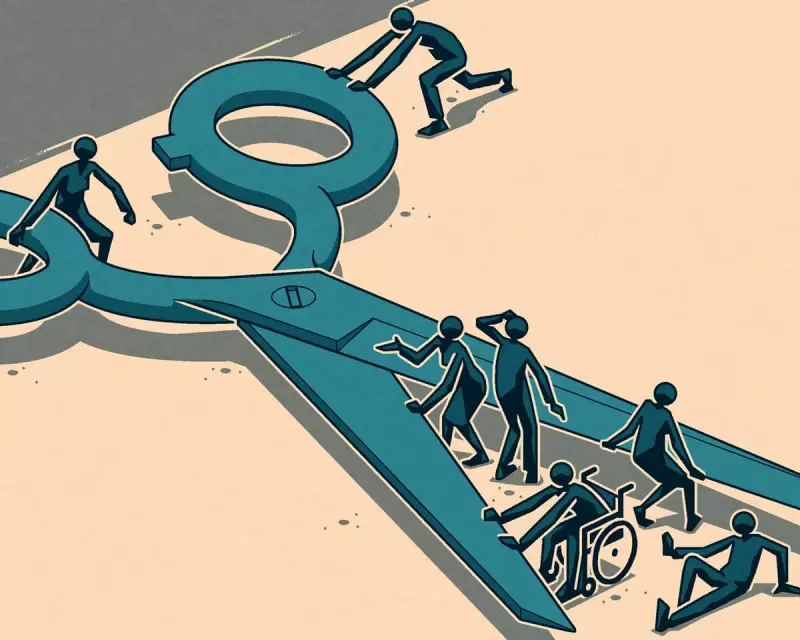
Within the City of London, a clear preference has emerged. Investors are signalling that the strongest message of budget discipline would come from tough cuts to public spending, particularly welfare, rather than a round of manifesto-busting tax hikes.
Analysts at Barclays recently stated that "spending reform is now seen as a totemic issue by the market". They viewed the government's failed attempt earlier this year to cut £5bn from welfare as a "red flag from the perspective of the gilt market".
Simultaneously, there are grave concerns that significant tax increases could cripple Britain's growth prospects. Mark Dowding, Chief Investment Officer at RBC BlueBay, argues that the high tax burden is already unsustainable and that preventing a "culture of benefits dependency" through welfare reform is preferable to further damaging growth.
The Flawed Logic of Welfare Cuts
Despite the City's pressure, the argument for deep welfare cuts is both simplistic and misplaced. While the cash amount spent on welfare is rising dramatically—from roughly £300bn to about £370bn by the end of the decade—this is largely driven by the pensions triple lock and rising health-related benefits.
This trend reflects the reality of an ageing and increasingly unwell nation, not a system spiralling out of control. In fact, total welfare spending is projected to remain flat as a percentage of GDP up to the end of the decade.
Working-age welfare spending is similar to its level in 2015, and health-related benefit spending as a share of GDP is lower now than in the 1990s. Furthermore, evidence shows that cutting health-related benefits drives up poverty rather than employment. Taking money from vulnerable people also reduces consumer spending, creating another drag on economic growth.
The state makes payments to over 24 million people, including 13.1 million pensioners. The idea of unsustainable welfare spending often ignores that pensioners receive the largest share, while a third of Universal Credit claimants are in work.
The final budget will reveal whether the government bows to the bond market's narrow view or adopts a more nuanced approach that recognises the symbiotic relationship between a strong safety net and sustainable economic growth.