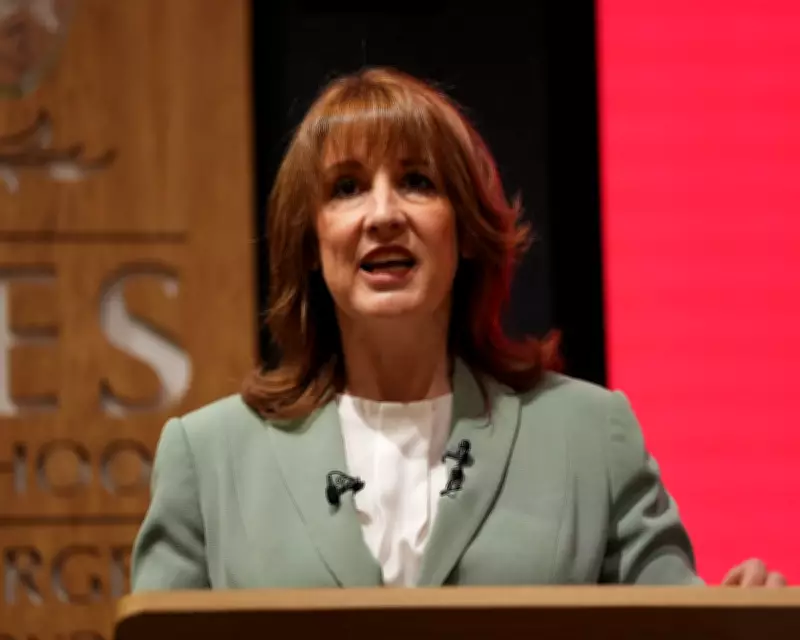
Rachel Reeves Unveils Regional Tax Revenue Plan in Landmark Economic Address
In a significant economic policy speech, Shadow Chancellor Rachel Reeves has proposed a new system for sharing tax revenues between regional and national governments. Delivered at the prestigious Mais lecture, her plan aims to empower local areas by allowing them to retain a greater portion of the taxes they generate, potentially transforming fiscal devolution in the UK.
Key Proposals for Fiscal Devolution
Reeves outlined that under her proposal, regions would be granted increased control over tax revenues collected within their boundaries. This move is designed to stimulate local economic growth and address longstanding disparities in wealth and investment across the country. By enabling regions to reinvest more funds locally, the plan seeks to create a more balanced and resilient national economy.
The Shadow Chancellor emphasized that this approach would not only boost regional autonomy but also foster greater accountability and innovation in public spending. She argued that current centralised systems often fail to meet the specific needs of diverse communities, leading to inefficiencies and missed opportunities for development.

Economic Rationale and Potential Impacts
Reeves' speech highlighted how regional tax revenue retention could drive job creation, support small businesses, and enhance infrastructure projects tailored to local priorities. This policy shift represents a departure from traditional top-down economic management, aligning with broader calls for decentralisation in the post-Brexit era.
The Mais lecture, a key platform for economic thought leadership, provided Reeves with an opportunity to position Labour as a party committed to practical, growth-oriented reforms. Her proposals are expected to spark debate among policymakers, economists, and business leaders about the future of UK fiscal policy.
- Regions to retain more locally generated tax revenues
- Aims to reduce economic inequality and spur growth
- Part of Labour's broader economic strategy
- Focus on local accountability and tailored investments
As the UK grapples with economic challenges, Reeves' plan offers a vision for a more distributed and responsive fiscal framework, potentially reshaping how tax revenues are managed to benefit communities nationwide.