

Westminster is bracing for a fiscal showdown as opposition parties Reform UK and the Conservatives ramp up pressure on the Labour government with demands for dramatic spending cuts ahead of next week's crucial Budget announcement.
Opposition Parties Unite on Fiscal Demands
In coordinated moves that highlight the growing tension surrounding the government's financial plans, both Nigel Farage's Reform UK and Kemi Badenoch's Conservatives held separate press conferences on Tuesday 18th November 2025, calling for substantial reductions in government expenditure to balance the nation's books.
The renewed attacks come exactly one week before Chancellor Rachel Reeves is scheduled to deliver a Budget that many expect will maintain Britain's tax burden at post-war highs through levies on multiple sectors of the economy.

Reform's £25bn Savings Package
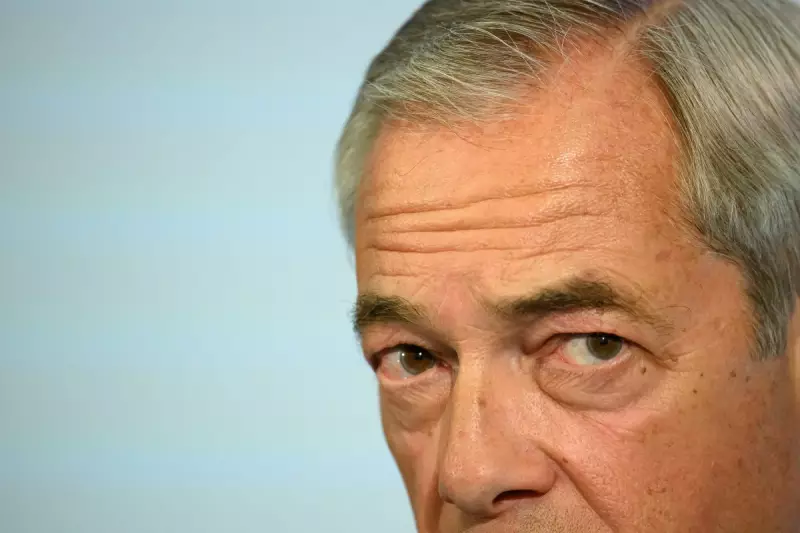
During a Westminster press conference, Nigel Farage unveiled a comprehensive £25bn package combining spending reductions and additional taxes targeting foreign nationals. The Reform UK leader proposed several controversial measures designed to ease pressure on public finances.
Key elements of Farage's proposal include:
- Ending Universal Credit payments to migrants with settled status
- Substantial reductions to the development aid budget
- Nearly tripling the NHS surcharge to £2,718 for individuals on various work visas
Reform claims that cutting the aid budget and increasing health fees alone could generate approximately £15bn. The party had previously announced plans to tighten disability payment criteria for people with "non-major anxiety" and reduce benefits for hundreds of thousands of foreign nationals, which they say would complete the £25bn savings package.
These measures would more than cover the £20bn fiscal hole facing Chancellor Reeves, a situation slightly improved by the Office for Budget Responsibility's updated forecasts during negotiations with the Treasury.
Conservative Demands for Deeper Cuts
Meanwhile, Kemi Badenoch reinforced Conservative calls for an even more substantial £47bn savings package, with nearly half comprising reductions to the welfare bill. The Tory plan also includes significant cuts to development aid and proposes returning civil service headcounts to levels not seen in nearly a decade.
The Conservative pledges for radical expenditure reductions were initially unveiled at their party conference in September, with Badenoch emphasising that half of the savings should be directed toward lowering public debt as a percentage of GDP.
Budget Uncertainty and Market Reaction
With traders and voters largely in the dark about the specific fiscal measures Reeves will introduce next week, Speaker of the House Lindsay Hoyle has criticised what he described as "hokey cokey" briefings provided to newspapers, suggesting several policy U-turns in the lead-up to the Budget.
Reeves has identified curbing inflation and reducing borrowing costs as central objectives for the upcoming Budget, particularly significant given that government debt interest payments to lenders are projected to reach £110bn this year.
Treasury ministers have remained silent on weekend reports indicating that plans to increase income taxes have been abandoned. Meanwhile, bond traders remain cautious ahead of the Budget announcement, with 10-year gilt yields experiencing slight declines during early trading on Tuesday, providing some relief to government borrowing costs.
The stage is set for a dramatic fiscal confrontation as the government prepares to navigate between opposition demands for austerity and the economic realities facing the nation.






