UK Government Borrowing Costs Surge to Highest Level Since Financial Crisis
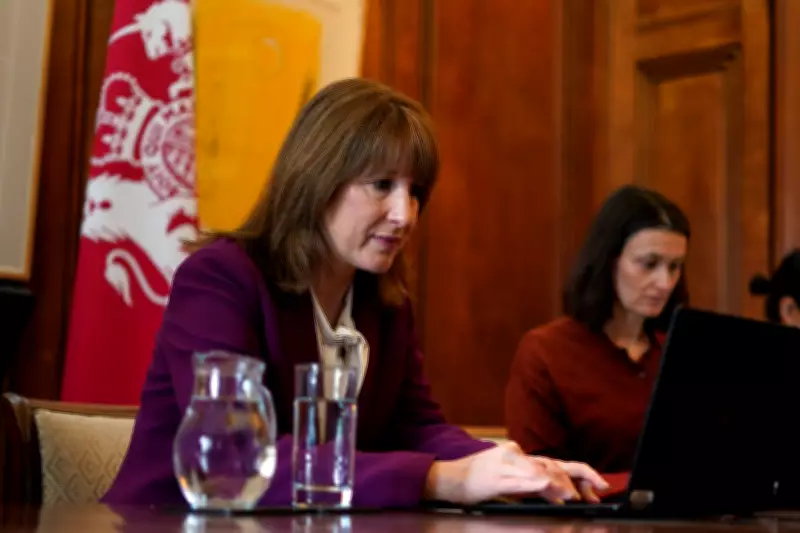
UK government borrowing costs have soared to their highest point since the Great Financial Crisis of 2008, as markets express deep concern over the state of public finances in the face of another global price shock. This development deals a significant blow to Chancellor Rachel Reeves, who now faces mounting pressure to manage the nation's fiscal challenges.
Gilt Yields Climb, Increasing Debt Burden
Gilt yields have steadily risen throughout the week, with the ten-year gilt yield surpassing 4.9 per cent on Friday morning. This marks the first time the yield has approached the five per cent threshold since early 2008. While investors have been selling government bonds worldwide, UK bonds have experienced a more pronounced impact compared to those of the United States, Germany, and Japan.
Higher gilt yields directly translate into larger borrowing costs for the government. Prior to the onset of the recent conflict, the Office for Budget Responsibility (OBR) projected debt interest payments to bondholders would reach £110 billion this year. However, figures released on Friday morning revealed the government owed approximately £4.3 billion to its lenders in February alone.

Market Movements Threaten Fiscal Headroom
These market shifts are sending shockwaves through the Treasury. Earlier this month, Chancellor Rachel Reeves celebrated a decline in gilt yields that, according to revised OBR forecasts, added nearly £2 billion to her fiscal headroom. That financial buffer is now expected to be substantially reduced, with debt interest payments poised to increase and medium-term economic outlooks anticipated to deteriorate.
Forecasters Downgrade Economic Projections
Earlier this year, traders had anticipated a series of interest rate cuts following Reeves' adjustments to energy pricing, aimed at lowering household bills and curbing inflation. However, the Bank of England announced on Thursday that these measures, which were projected to reduce inflation to two per cent starting in April, would be negated by rising fuel prices at petrol pumps.
Analysts from JP Morgan and other City firms now predict that interest rates could climb as high as 4.25 per cent due to an expected surge in inflation. Economic forecasters have also revised their projections to reflect a gloomier outlook for the UK economy.
Edward Allenby of Oxford Economics warned that higher oil and gas prices would likely cause the Ofgem energy price cap to increase by at least 19 per cent from July. He suggested UK inflation could exceed four per cent after mid-year. Additionally, UK GDP growth forecasts have been drastically downgraded, with expectations now set at just 0.4 per cent for this year and one per cent for the following year.
Reeves Confronts Rising Borrowing and Political Pressure
The Office for National Statistics (ONS) delivered further bleak data on government borrowing, revealing that February's deficit more than doubled the OBR's forecast. Analysts at Pantheon Macroeconomics noted that this rise in borrowing has left public finances "in a more precarious position heading into the latest energy price shock."
Pantheon economist Elliott Jordan-Doak indicated that pressure from Labour officials and the public for a multi-billion pound energy support package could force Chancellor Reeves to make "difficult decisions" regarding taxation and public expenditure by year's end. Following Russia's full-scale invasion of Ukraine, the previous Conservative government allocated around £40 billion to support household bills.
Although UK gas prices have not reached the peaks seen in 2022, Reeves has reportedly faced internal Cabinet calls to relax her fiscal rules. Speculation is growing that she may announce a broader support package for households to mitigate the impact of rising prices, further complicating the fiscal landscape.