

UK Ministers to Propose Capped Mandation Powers Following Peers' Backlash
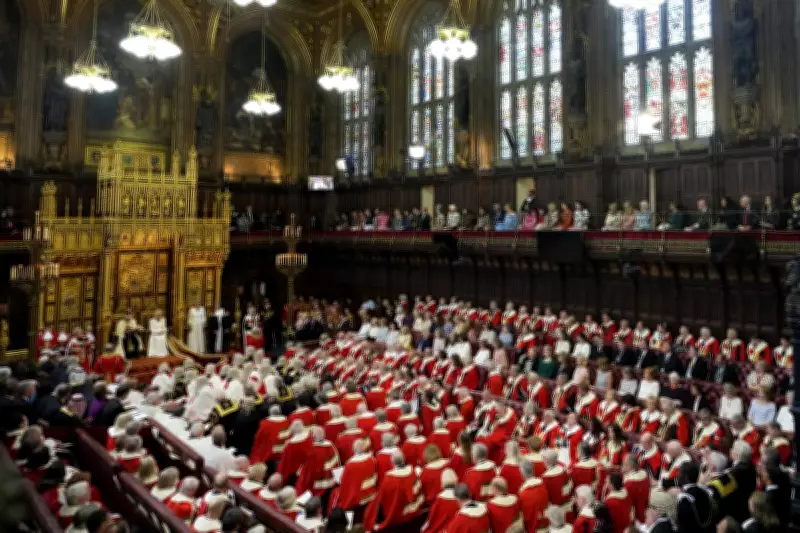
Government ministers are preparing to introduce a compromise measure after facing significant opposition from the House of Lords regarding controversial powers that would allow them to mandate pension fund investments. Following a fierce debate and rejection by peers, ministers will propose adding a cap to the reserve powers contained within the pension schemes bill.
Compromise Proposal Details
According to government officials speaking to the Financial Times, ministers will propose writing a fresh clause into the pension schemes bill that would limit the reserve power to reassure both peers and the financial industry. The proposed compromise would establish that ministers cannot force pension funds to invest more than 10 percent of their assets in private markets, with at least half of that allocation directed toward UK companies.
The current drafted version of the bill contains no such limitation, with the proposed cap mirroring voluntary targets previously agreed upon by the industry through the Mansion House Accord last year. A senior Labour figure briefed on the plan stated: "The idea is to clarify that this is the maximum and we would not go further than what they have already voluntarily agreed to do. We are clear that we want to keep this power in reserve."

House of Lords Opposition
The upper house voted against the bill last week following intense scrutiny of the potential pension system overhaul. Conservative member Baroness Stedman-Scott criticized the power as granting the government "sweeping authority" that went far beyond the stated purpose of backing up the Mansion House Accord.
Helen Whately, shadow work and pensions secretary, emphasized: "The principle at stake is simple, pensions belong to savers not the state. Ministers should heed their resounding defeat in the Lords, if not the warning from across the pensions sector." Whately added that Conservatives would seek to "remove mandation entirely," while Baroness Bowles, who led the opposition in the upper house, stated "we think any mandation is bad news."
Industry Concerns and Responses
Various voices within the pension industry have expressed significant concerns about the reserve power, warning of potential misuse and market distortion. James Alexander, chief executive of the UK Sustainable Investment and Finance Association, commented: "The House of Lords' decision to strike down proposed mandation powers in the Pension Schemes Bill should prompt careful reflection within government."
Alexander continued: "We would now urge ministers to give serious consideration to amendments that remove the 'reserve power' entirely, heeding warnings from the pensions industry and wider groups about its potential misuse. We have long argued that forcing pension schemes to invest in the UK runs the risk of distorting markets and creating asset bubbles. It could crucially lead to lower returns for savers, at a time when shortfalls in retirement savings are threatening living standards in later life."
Government Determination and Next Steps
Despite the opposition, Work and Pensions Secretary Pat McFadden and Chancellor Rachel Reeves remain determined to maintain the "backstop" power to ensure pension funds honor their investment promises aimed at revitalizing the UK economy. The clause is anticipated to be added to the bill when it returns to the Commons after the Easter break, setting the stage for a potential battle of wills between MPs and peers.
Torsten Bell highlighted the government's retreat at a conference in Edinburgh earlier this month, noting that the "only purpose" of the reserve power was to backstop the Mansion House Accord. The proposed compromise represents an attempt to balance government objectives with parliamentary and industry concerns while maintaining some level of oversight authority over pension fund allocations.






