Inquiry Head Blames DWP 'Resistance' for Carer's Allowance Crisis Failure
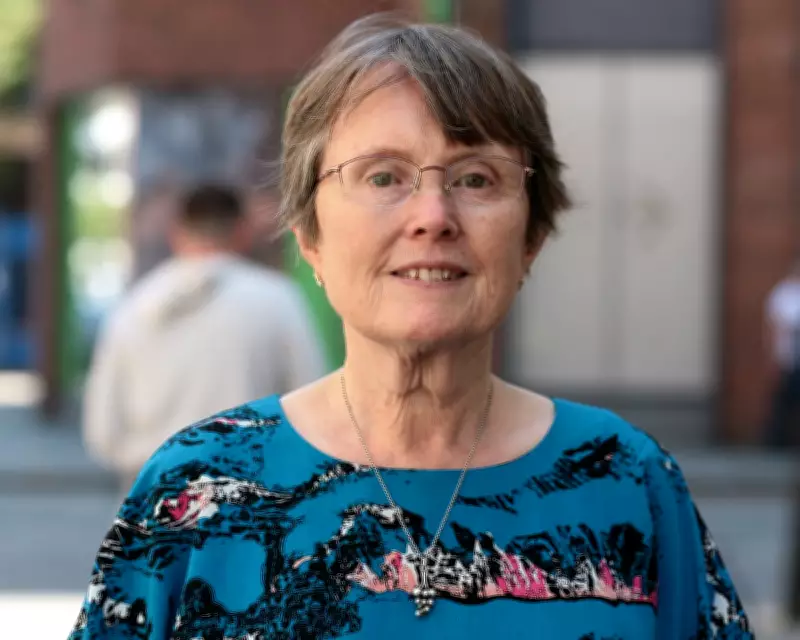
The head of an official inquiry into carer's allowance has sharply criticized "forces of resistance" within the Department for Work and Pensions (DWP) that she claims have undermined ministerial efforts to address longstanding problems with the heavily criticized benefit. Liz Sayce, whose review of carer's allowance overpayments was published in November, told MPs on the work and pensions select committee that rather than taking ownership of the issues, some at the DWP attempted to "minimise" the extent of the department's failures and deflect blame for the disaster.
Systemic Failures and Unpaid Carers' Plight
An award-winning Guardian investigation last year revealed how DWP failures led to hundreds of thousands of unpaid carers unwittingly accumulating massive debts after becoming ensnared in an opaque, poorly administered, and punitive system. Many carers suffered serious ill-health as a result, and hundreds were convicted of benefit fraud over a period of years. The review described their experiences as being "at the whim of a faceless machine."
Sayce's review found that blame lay with "systemic" issues at the DWP and emphasized that carers should not be held responsible for falling foul of complex and confusing benefit rules. She expressed surprise at how the DWP had repeatedly ignored the problems for years, despite serious shortcomings being identified by an internal whistleblower.

Internal Resistance and Cultural Problems
When asked by committee chair Debbie Abrahams whether there had been a change in attitude and behavior at the DWP, Sayce acknowledged encountering individuals who wanted to learn and change but also described encountering what she termed "forces of resistance." She was particularly distressed by a Guardian report of an internal DWP blogpost, written by director general Neil Couling just days after her report was published, which insisted—contrary to the review's conclusions and government policy—that carers were ultimately to blame for their debts.
"I was really distressed by that blog, as I am sure many people were," Sayce said. "Because what you were hoping for from senior people at that point was to really share with colleagues across the department the seriousness of this—what has been learnt, what is going to be put right. Not attempt to minimise or again place a responsibility back on the carers, as if it was their fault."
Calls for Cultural Shift and Systematic Reform
In response to Liberal Democrat MP John Milne's question about whether there was a "culture problem" at the DWP, Sayce replied, "I think there are some senior people who are serious about making the changes that are needed. [But] I felt that sometimes there was almost a kind of effort to minimise what had gone wrong." She stressed that senior leaders must own the problems, explain what went wrong, and understand why it is necessary to "shift the culture" and ensure reforms are implemented effectively.
"The senior team needs to be on that case. It needs to be a bit more systematic than just good intent," she asserted. Sayce added that ensuring alignment and prioritizing the core values of serving people, with the purposes of carer's allowance at the forefront, must be constantly reinforced from senior leadership throughout the department.
Recent Developments and Ongoing Criticism
Earlier this month, DWP permanent secretary Sir Peter Schofield announced he will step down in July for personal reasons after eight years in the top role. The department insists his departure is unrelated to the carer's allowance scandal. However, the DWP hierarchy has faced repeated criticism in recent weeks for what MPs have labeled "unacceptable behavior" in its handling of the crisis. Schofield was accused by Abrahams of overseeing a "culture of complacency."
The ongoing scrutiny highlights the urgent need for systemic change within the DWP to restore trust and effectively support unpaid carers, who play a vital role in the social care system.