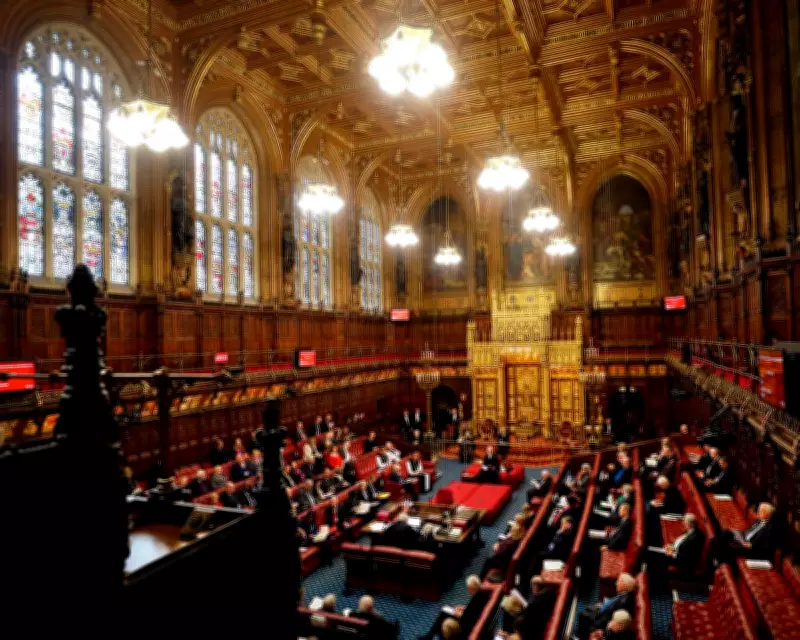
Reimagining the House of Lords for a Modern UK
In response to recent discussions on Lords reform, readers have proposed innovative ideas to make the upper chamber more relevant and democratic. The focus is on creating a system that better represents the UK's diverse regions and secular society.
Proposals for a Reformed Upper Chamber
One suggestion involves a hybrid model where three-quarters of Lords members are indirectly elected by local councillors. This approach aims to empower regions and give popular leaders, such as Andy Burnham, a parliamentary role while they continue serving their local areas. Temporary seats could be reserved for heads of national governments and regional mayors, with party leaders not yet in the Commons also included.
The remaining seats would be time-limited appointments for experts like retired civil servants and former ministers, possibly with different voting rights. An independent commission would oversee appointments, vet eligibility, and prevent dodgy donors from gaining influence.

Criticism of Current Anachronisms
Readers highlight the absurdity of retaining 26 bishops in the House of Lords, arguing that the UK is increasingly secular and should not function as a theocracy. They call for an upper house that truly reflects the country's modern values, removing religious appointments that lack justification.
Additionally, the expulsion of hereditary peers has sparked debate. Some point out the irony that hereditary peers were elected, while life peers are appointed, suggesting the government removed the only members with electoral legitimacy.
Alternative Views on Election and Size
Not all agree that an elected upper chamber is the solution. Critics note that countries like Norway and Sweden have abandoned their second chambers, finding them superfluous. They caution that while reform is necessary, election alone is not a panacea.
Other proposals include reducing the Lords to 400 members, with 300 appointed on merit by an independent committee and 100 elected during general elections. This model would eliminate bishops unless they qualify through merit, end prime ministerial patronage, and remove hereditary peers entirely.
Moving Forward with Reform
The consensus is clear: the House of Lords needs significant change to become more relevant and democratic. By incorporating indirect elections, merit-based appointments, and removing outdated elements like bishops, the UK can create an upper chamber that better serves its constitutional needs and reflects contemporary society.