

Airline Worker Detained in Dubai After Police Hack Private WhatsApp Group
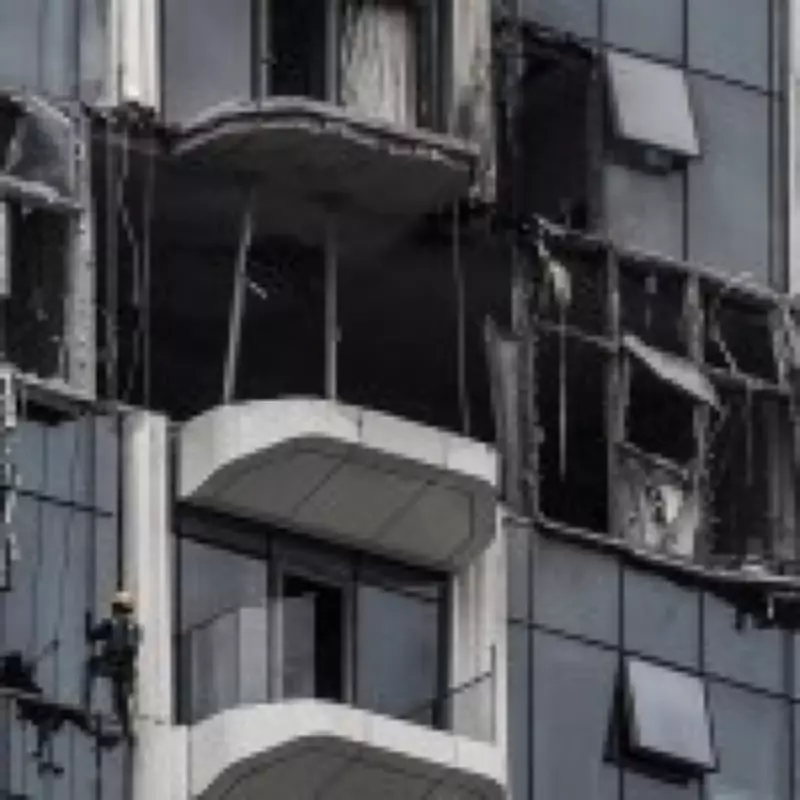
An airline worker in Dubai was lured to a meeting and arrested by police after sharing a clip showing damage from an Iranian drone strike in a private WhatsApp group. Cybercrime officers secretly hacked into the messaging platform, discovering the video of smoke billowing from a building, which had only been circulated among colleagues without wider publication.
Surveillance and Legal Ambiguity in the UAE
The man remains in custody, facing charges such as publishing information deemed harmful to state interests, according to the campaign group Detained in Dubai. Chief executive Radha Stirling stated, 'Dubai Police have now explicitly confirmed they are conducting electronic surveillance operations capable of detecting private WhatsApp messages. Individuals are being tracked, identified, and arrested not for public statements, but for private exchanges between colleagues.'
Stirling emphasized that companies like WhatsApp must address urgent questions about user privacy, noting that if private communications can be detected and used for arrests by overreaching states, users worldwide need clarity on data access. The police report indicates the clip was detected 'through electronic monitoring operations,' with a specialized team from the Electronic and Cybercrime Department conducting technical investigations to identify and arrest the individual.

Broader Implications for Free Speech and Security
Dr. Mira Al Hussein, a Research Fellow at the University of Edinburgh, explained that the UAE's cybercrime laws are 'deliberately vague' and 'broad enough to be stretched retrospectively to cover whatever the moment requires.' She added, 'In this instance, the UAE has managed to cultivate a high level of public confidence in its capacity to intercept Iranian missiles and drones and minimise impact on civilian infrastructure. When images of strikes and damages circulate in ways that contradict the official account, that confidence is undermined, potentially generating public fear and disorder.'
The UAE government aims to control both the present narrative and the historical record, as documented evidence of strikes may include incidents officials do not wish to acknowledge publicly. This case raises significant questions about privacy, proportionality, and the scope of cybercrime laws in the region.
Widespread Arrests and International Concerns
Detained in Dubai continues to receive reports involving tourists, residents, and airline crew detained for sending, receiving, or retaining content, even without public dissemination. Since the start of the Iran war, UAE authorities have made 189 arrests related to alleged violations of cybercrime laws, with over 70 UK nationals reportedly locked up for filming drone and missile strikes.
Similarly, Qatar has detained more than 313 foreign nationals for similar videos and pictures. These incidents underscore a trend of heightened surveillance and legal enforcement across the Middle East, impacting both locals and expatriates. The use of technology to monitor private messaging platforms highlights ongoing debates about security versus individual freedoms in the digital age.






