Cold War Surveillance Echoes in Modern Diplomatic Relations
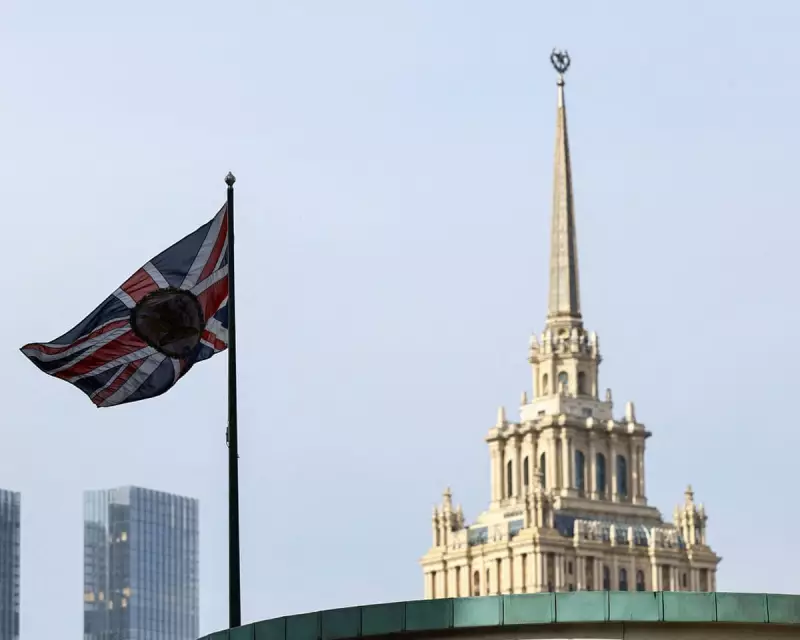
A former British defence attache stationed in Moscow has revealed that he was systematically followed every time he departed from the British embassy, according to a recent report by Dan Sabbagh. This disclosure has reignited discussions about the persistent shadow of Cold War-era espionage tactics in contemporary diplomatic engagements between the United Kingdom and Russia.
Historical Parallels in Espionage Practices
The attache's account draws striking parallels with stories from the 1960s, when British intelligence operatives in Moscow faced similar surveillance. One anecdote shared by a reader describes a British spy who, upon offering bus fare, was informed by the driver that it had already been paid. As the driver gestured towards another passenger, the Briton and his Russian tail exchanged a moment of mutual recognition, highlighting the routine yet personal nature of such surveillance operations during that tense period.
Letters Reflect Broader Cultural and Political Commentary
Beyond espionage, the Guardian's letters section has sparked a vibrant exchange of opinions on various topics. Readers have praised Martin Kettle for his exceptional political writing and insightful classical music reviews, celebrating his dual expertise as a testament to renaissance-style knowledge. Others have commended John Crace for his sharp political commentary, particularly on the Trump situation, with one reader noting that Crace perfectly articulated their own thoughts.

In lighter moments, domestic chores have inspired creative metaphors, such as comparing changing a double duvet cover to "wrestling with a bear," a phrase borrowed from a Guardian description of Neil Young's guitar solos. Political figures like Robert Jenrick and Nigel Farage have also been subjects of humorous analogy, with Farage being whimsically dubbed "Deputy Dawg" in response to Jenrick's "new sheriff" moniker.
Ongoing Dialogue and Public Engagement
The Guardian continues to encourage readers to submit their perspectives on any published content, fostering a dynamic letters section that covers everything from serious geopolitical issues to everyday observations. This tradition of public discourse underscores the newspaper's role in facilitating informed debate and cultural exchange.