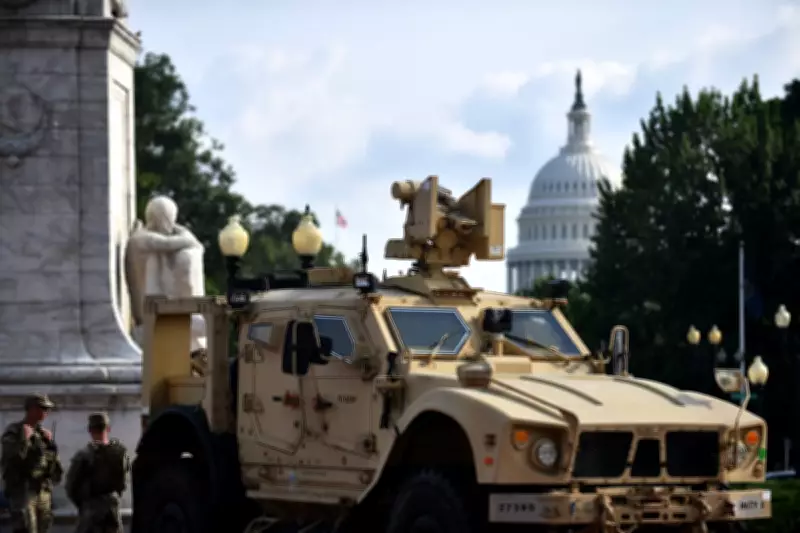
In a significant move that could reshape national security and domestic policy, the United States Congress has initiated intense debates over proposed legislation to ban or severely restrict the sale and use of military-grade weapons and drones within the country. This development comes as lawmakers grapple with mounting public and political pressure to address the proliferation of advanced military technology in civilian contexts, raising critical questions about safety, ethics, and constitutional rights.
Background and Legislative Proposals
The discussions in Congress are centered on several bills that aim to curb the availability of weapons and drones originally designed for combat operations. Proponents argue that these items, which include high-powered firearms, surveillance drones, and other sophisticated equipment, pose a direct threat to public safety when accessible to non-military entities. They cite recent incidents and trends where such technology has been misused, leading to calls for stricter regulatory frameworks.
Key Arguments in the Debate
Supporters of the ban emphasize the need to prevent potential misuse, such as in mass shootings or unauthorized surveillance, which could undermine civil liberties and escalate violence. They point to international examples where similar restrictions have been implemented with positive outcomes in reducing crime and enhancing security. On the other hand, opponents, including some lawmakers and advocacy groups, contend that such measures infringe on Second Amendment rights and could hinder legitimate uses, such as in law enforcement, research, and recreational activities.

Implications for National Security and Public Policy
If passed, the legislation would have far-reaching consequences for various sectors, including defense contractors, technology companies, and local communities. It could lead to increased oversight of sales, mandatory background checks, and limitations on drone operations in populated areas. Experts suggest that this debate reflects broader tensions between innovation and regulation in an era of rapid technological advancement.
Stakeholder Reactions and Future Outlook
Reactions from stakeholders have been mixed, with some industry representatives warning of economic impacts and others applauding the move as a necessary step toward responsible governance. As Congress continues to deliberate, the outcome remains uncertain, but the discussions highlight a growing consensus on the need to balance technological progress with societal safeguards. Observers predict that this issue will remain a focal point in upcoming legislative sessions, potentially influencing related policies on cybersecurity and artificial intelligence.