Drone Gang Sentenced for 'Deliveroo-Style' Prison Smuggling Operation
A sophisticated criminal gang that utilized drones to conduct what a judge described as 'Deliveroo-style' drug deliveries to prisons across London and the South East has been successfully prosecuted and jailed. The seven individuals orchestrated a highly organized smuggling operation that saw contraband including drugs, mobile phones, and weapons delivered directly to prison cells through late-night drone flights.
The 'Well-Oiled' Smuggling Conspiracy
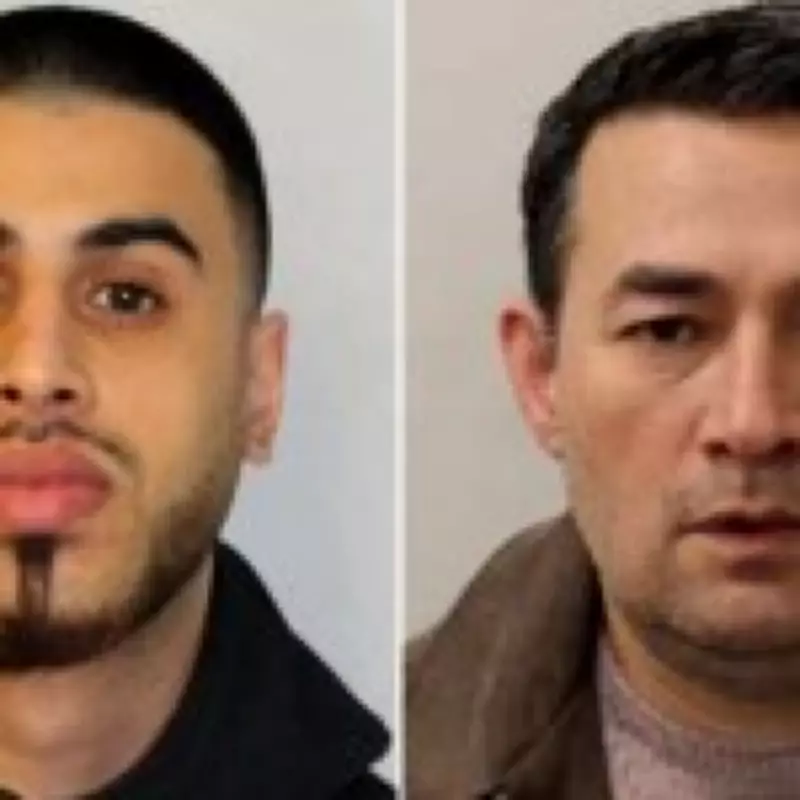
Shafaghatullah Mohseni, 29, masterminded the operation that ran from December 2, 2024, to February 26, 2025. Acting as the 'grand delivery driver,' Mohseni coordinated dozens of deliveries to multiple prisons, receiving over £30,000 in payments for the illicit drone flights. His accomplices—Hashim Al-Hussaini, 28, Mohammed Hamoud, 22, Faiz Salah, 29, Zahar Essaghi, 51, Mustafa Ibrahim, 30, and Emanuel Fisniku, 25—served as lookouts, drivers, and co-pilots in the elaborate scheme.
Judge James Lofthouse condemned the operation as a 'well-oiled conspiracy' that prison authorities struggled to intercept, even when staff witnessed drones making deliveries directly to cell windows. The judge emphasized how the gang's activities undermined prison security and facilitated further criminality within correctional facilities.

Metropolitan Police Investigation Uncovers Widespread Operation
The Metropolitan Police's Specialist Crime Command launched Operation Buzzbin after an intelligence breakthrough in December 2024. Investigators established surveillance posts outside targeted prisons and analyzed phone data that placed suspects in proximity to multiple correctional facilities. Through meticulous analysis of recovered drone flight data, police identified the entire network of pilots, co-pilots, and support personnel.
During the 86-day investigation period, authorities documented 70 separate visits to prisons by the conspiracy group, with approximately 140 individual drone flights conducted. The gang targeted at least nine prisons including Wormwood Scrubs, Brixton, Pentonville, Wandsworth, Norwich, and Leicester, accounting for an estimated 75% of all drone smuggling incidents in London prisons during their operational period.
Contraband and Criminal Enterprise
The smuggled items included:
- Cannabis, Xanax, and Valium packages
- Tiny mobile phones designed to evade detection
- USB storage devices
- At least two flick knives among the contraband
Prosecutor Sam Barker revealed that while conspirators 'may not have been aware' of the knives in one shipment, they nevertheless transported the weapons into prison facilities. The high value of mobile phones and drugs within prison environments created lucrative opportunities for the smugglers, with prisoners reportedly placing orders for specific items.
Arrests and Sentencing
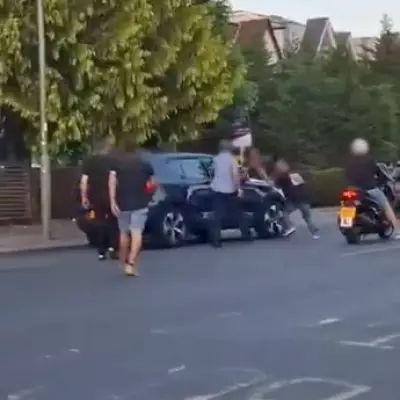
The investigation culminated in the early hours of February 26, 2025, when police arrested four gang members less than a mile from HMP Norwich. A search of their vehicle uncovered a drone, cannabis packages, mobile phones, and a knife. Subsequent arrests brought the entire seven-member network into custody.
All defendants admitted their roles in what authorities described as a 'serious, organized, and prolific enterprise' to supply Class B and C drugs and convey prohibited articles into prisons. Mohseni received the longest sentence of five years and three months as the conspiracy leader. His accomplices received prison terms ranging from 27 to 33 months, with all defendants required to serve 40% of their sentences before potential release on license.
Broader Implications for Prison Security
The case highlights growing concerns about drone technology's role in prison smuggling. Chief Inspector of Prisons Charlie Taylor recently warned about the increased risks drones pose for smuggling operations, calling for coordinated government action involving security services and technological countermeasures.
Detective Inspector John Cowell, who led the investigation, stated: 'This highly organized gang thought they were outsmarting the police and prison authorities. What they didn't know is they were subject to sustained specialist surveillance by Met officers, who identified those responsible and brought them to justice.'

The Metropolitan Police emphasized their ongoing commitment to working with the Prison Service to combat organized crime networks that introduce violence and drugs into correctional facilities, utilizing all available investigative tools to disrupt such operations.