Dubai's Crackdown on War Content Sharing Intensifies with Severe Consequences
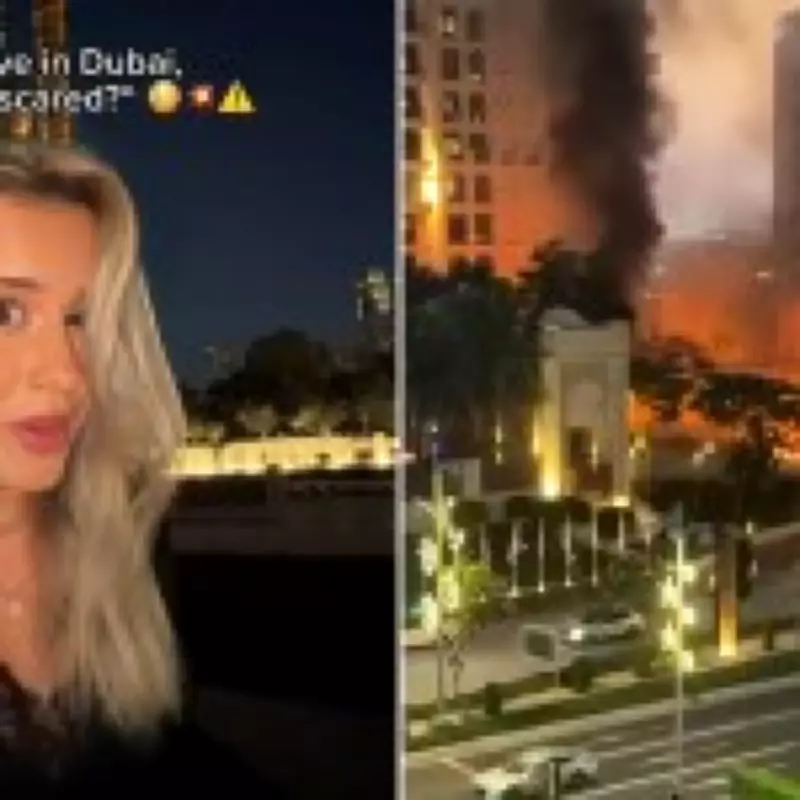
Human rights campaigners operating within the United Arab Emirates have issued a stark warning that arrests related to the sharing of war content are poised to increase significantly. Dubai's carefully cultivated image as a tax-free safe haven in the Middle East has been profoundly shaken amid the ongoing conflict with Iran, where daily drone attacks have become a common sight.
Arrests Targeting Both Locals and Expatriates
While media attention has largely focused on social media influencers broadcasting attacks to their millions of followers, the crackdown extends far beyond public posts. Radha Stirling, founder of the advocacy group Detained in Dubai, has revealed that authorities are arresting both local residents and expatriates for sharing such content, including clips sent privately to family members.
"Some were inside buildings that were struck and, despite being survivors, were treated as criminals," Stirling wrote in the Daily Mail. "In several cases we have handled, authorities attended buildings in the aftermath, requesting access to residents' phones and reviewing personal content on the spot."

From Civil to Criminal: Escalating Legal Consequences
Stirling anticipates that some individuals could face devastating consequences including job termination, comprehensive travel bans, and Interpol Red Notices—international arrest warrants—as civil cases transform into criminal proceedings. Legal experts confirm that while rare, cybercrime charges can indeed escalate to international notices under certain circumstances.
"Those found to have taken photographs, even if never shared publicly, were arrested," Stirling detailed. "They were then driven straight to the police station and the contents of their phone was deleted, erasing any evidence of drone strikes. We have seen ordinary residents caught up in this, including parents, workers and those simply trying to reassure loved ones."
Dubai's Transformation and Legal Framework
Once bustling with activity, Dubai has reportedly become something of a "ghost town" since Iran initiated retaliatory strikes following last month's deadly attack by the US and Israel. Despite early photographs showing dozens still relaxing on beaches, sun loungers and pools now sit conspicuously empty.
The sleek sanctuary's authorities have arrested dozens for disseminating what they term "rumours, false information, or any content that contradicts official announcements." Meanwhile, the Dubai Media Office continues posting about the city's real estate sector successes between updates concerning counter-strikes, while UAE leaders engage in heavily filmed shopping trips.
Broad Legal Reach and Enforcement Patterns
International lawyer Nick Rowles-Davies, who fled the city on Monday after being caught in strikes within the financial district, explained that the censorship stems from Federal Decree-Law No. 34 of 2021. This legislation carries penalties including prison terms or fines reaching approximately £40,000.
The founder of litigation funding platform Lexolent noted that the law's reach is so extensive that it even encompasses individuals who merely repost offending content. "During the Covid emergency, prosecutions were brought against individuals who had simply forwarded fabricated stories they had not written themselves," he revealed.
Systemic Challenges and Reputational Risks
Stirling described how the UAE justice system frequently favors complainants, offering social media users minimal chance of obtaining justice. "We have seen cases where people have reported others out of spite, trawling through years of social media activity to find something that could be interpreted as offensive," she added.
Those posting content may ultimately face the UAE's media regulator, the Telecommunications and Digital Government Regulatory Authority, which collaborates with cybercrime investigators to monitor online feeds and identify individuals who have posted illegal content, often without realizing their actions violate the law.

Geopolitical Context and Future Implications
Analysts emphasize that Dubai will likely continue being drawn into the conflict due to its proximity to the Iran-controlled Strait of Hormuz, a narrow waterway through which approximately one-fifth of the world's oil passes. This strategic location increases the city's vulnerability to regional tensions.
"Dubai is built on its reputation, and that reputation is now under serious strain," Stirling cautioned. "If investor confidence shifts from opportunity to risk, the damage will not be easy to reverse." She observed a familiar pattern: "When there is instability, enforcement ramps up, complaints increase and more people get pulled into civil and criminal cases they never expected."
The situation presents a complex challenge for Dubai as it balances security concerns with maintaining its international image as a stable business and tourism destination during a period of regional conflict.