Living Under Fire: Dubai's Surreal New Normal
In the glittering metropolis of Dubai, a dark joke now circulates among residents. There are three types of people here: those heading to play padel tennis, those rushing toward the Omani border, and those waiting for the inevitable drop in house prices. This grim humor captures the bizarre duality of life in the United Arab Emirates as it endures relentless attacks from Iran.
The Daily Routine of Danger
On the seventh day of this unexpected conflict, morning began with familiar rhythms. Joggers pounded pavement, children headed to parks, and shopping malls welcomed early visitors. Then, precisely at mid-morning, the piercing screech of emergency alarms shattered the normalcy. Mobile phones across the city displayed urgent warnings: incoming missiles detected, seek immediate shelter, stay away from windows.
We have now reached the point where we must teach toddlers and childminders to take cover when they hear warning sirens or the thunderous blasts of air defense systems, reports Sky correspondent Sally Lockwood from Dubai. Having witnessed children in Ukraine who could distinguish between incoming and outgoing fire by sound alone, Lockwood never anticipated seeing Dubai's youth endure similar trauma.

Unprecedented Assault on a Global City
The statistics are staggering. Over the past seven days, Iran has launched more than 200 ballistic missiles and nearly 2,000 drones specifically targeting the UAE. This represents the heaviest bombardment Iran has directed at any nation during this conflict period, exceeding even its attacks against Israel. While most have been intercepted, two missiles and 74 drones penetrated defenses, resulting in three fatalities and dozens of injuries.
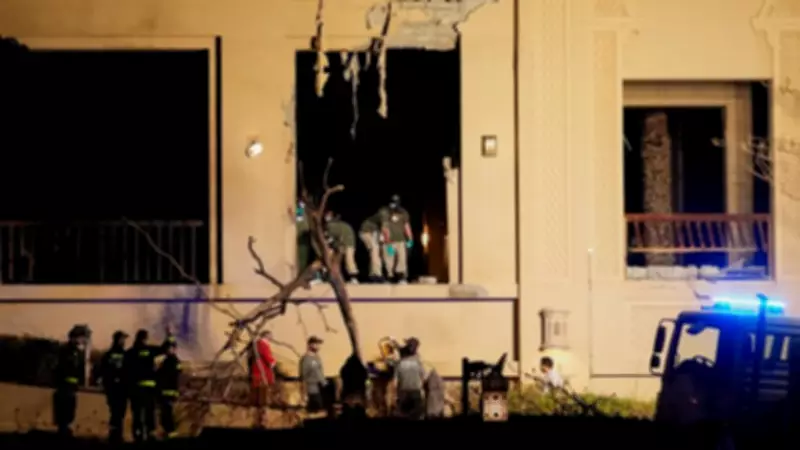
Smoke has billowed from strategic locations including Dubai's crucial Jebel Ali port and the luxurious Fairmont The Palm Hotel. The US consulate in Dubai has suffered fire damage, though the nearby American military base in Abu Dhabi—previously considered a relatively low-priority target given larger US assets in the region—has remained largely unscathed.
The Exodus and the Stranded
Community WhatsApp groups have descended into chaos as residents share flight information and border crossing tips. Many have fled to Oman's Muscat airport or driven to Saudi Arabia seeking escape routes. Others make desperate return journeys, separated from children and determined to reunite with families.
For tens of thousands of British tourists, what began as luxury holidays has transformed into nightmares of abandonment. The UK government required nearly a week to organize its first evacuation flight, leaving holidaymakers stranded and terrified. One traveler who secured passage described watching incoming fire while en route to the airport.
The psychological impact has proven even more devastating than physical harm, observes Lockwood. Empty beer gardens and deserted roads near Dubai International Airport testify to the profound disruption of this global hub's normally vibrant social and economic life.
Economic Repercussions and Resilience
The attacks inevitably raise questions about Dubai's future. Will this damage the city's international reputation? Will it affect the sky-high property prices and rents that have defined its real estate market? Early indications suggest probable impacts, with some residents already declaring they've left permanently and have no intention of returning.
Much depends on the conflict's duration and Iran's willingness to sabotage relationships with neighboring Gulf states. The UAE had publicly stated weeks earlier that no attacks on Iran would originate from its territory, airspace, or waters—a declaration believed to offer protective assurance that has proven tragically mistaken.
Yet seven days into this unexpected war, a nation unaccustomed to conflict has demonstrated remarkable defensive capabilities. Meanwhile, the population that chose Dubai for its lifestyle and security—never anticipating warfare on their doorstep—has displayed quiet resilience that may ultimately define this chapter in the city's history.