Dunblane: How Britain Banned Handguns – A Moving Tale of Courage and Change
In the wake of the Dunblane shooting, a group of determined campaigners launched a petition that would ultimately transform British law and enhance public safety. Their courageous story is the focus of a powerful BBC documentary, "Dunblane: How Britain Banned Handguns," which revisits the tragic events of March 1996 and the subsequent fight to outlaw handguns.
The Tragedy That Shook a Nation
The Dunblane primary school shooting resulted in the deaths of 16 children and one teacher, leaving an indelible scar on the United Kingdom. For many, the emotional weight of this event remains overwhelming, with local MPs still unable to discuss it without tears decades later. The documentary opens with a harrowing account from Eileen Harrild, a teacher injured in the attack, whose testimony underscores the sheer devastation of that day.
Archive footage captures the chaos and grief as families rushed to the school gates, while television presenters struggled to report the unfolding horror. Parents recount the nightmare of losing their children, painting a picture of a reality so cruel it feels almost unimaginable.

The Snowdrop Petition: Grassroots Action for Change
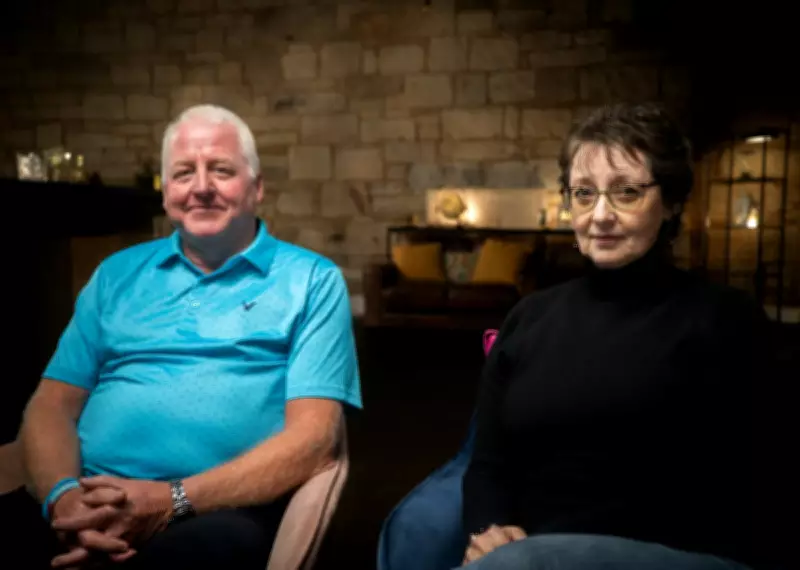
In response to the tragedy, a group of brave and industrious women, with no direct connection to the victims, initiated the Snowdrop petition. This grassroots campaign garnered an impressive 705,000 signatures at a time when online activism was not an option. Bereaved parents, including Mick North and Pam Ross, lent their voices to the movement, appearing on programs like Newsnight to advocate for stricter gun laws.
The campaign faced significant opposition from a vocal pro-handgun contingent, which argued that handguns were rarely misused by law-abiding owners and were essential for shooting sports. Critics, including some public figures, dismissed the ban as irrational, comparing it to outlawing cricket bats. Campaigners even received hate mail, highlighting the contentious nature of the debate.
Political Bipartisanship and Legislative Action
The issue of gun control quickly gained bipartisan support, with politicians from across the spectrum recognizing the need for change. After the Conservative government banned handguns greater than .22 calibre, Prime Minister Tony Blair implemented a full ban in 1997. The documentary features interviews with key political figures, such as Alastair Campbell, Michael Howard, and Ann Widdecombe, who explain the legislative process that turned the petition into law.
While the programme delves into the granular details of how the ban was achieved, it also touches on the cultural context. Conservative MP David Mellor, a vocal supporter of the ban, linked handguns to the dangers of Americanisation, arguing that importing American lifestyles could lead to similar tragedies. This contrasted with the US debate over liberty and safety, framing the issue as one of logic versus hobby-related inconvenience in the UK.
Legacy and Impact
Though the documentary focuses primarily on the campaign's trajectory, it acknowledges that gun crimes were already rare in Britain, making it difficult to measure the ban's direct impact. However, it underscores how the Dunblane tragedy and the subsequent law have helped maintain the UK's relatively low rates of gun violence compared to countries like the United States.
The programme concludes on a heartbreaking note, with a bereaved father admitting he can no longer remember his daughter's voice. This poignant moment reminds viewers of the profound loss that fueled the campaigners' determination. Their efforts have made such tragedies slightly less likely in the future, offering a glimmer of hope amid the sorrow.
"Dunblane: How Britain Banned Handguns" aired on BBC Two and is available on iPlayer, serving as a testament to the power of grassroots activism and the enduring courage of those affected by one of Britain's darkest days.