A damning new study by international legal experts has concluded that El Salvador's draconian mass incarceration policy under President Nayib Bukele may have led to crimes against humanity. The report meticulously documents widespread arbitrary imprisonment, torture, murder, and forced disappearances occurring during the state of exception that began four years ago.
A Policy of Systematic Violations
The research, compiled by experts assembled by the Due Process of Law Foundation, describes these atrocities as "the result of a policy known and promoted by the highest levels of government." By locking up approximately 1.4% of El Salvador's population without due process, Bukele has transformed the nation from one of Latin America's most violent countries into one of its least violent—but at a devastating cost to human rights and the rule of law.
The Human Toll of Security
Since 2022, when Bukele suspended constitutional rights and unleashed security forces against brutal gangs like MS-13 and Barrio 18, roughly 90,000 people have been arrested. Most are held in grim pre-trial detention conditions, with human rights organizations documenting over 400 deaths in custody and estimating that thousands without gang ties have been swept up in the dragnet.

"The state must protect citizens from organized crime—but with the law, and with respect for human rights," emphasized Santiago Canton, co-author of the report and general secretary of the International Commission of Jurists.
International Implications and Political Consequences
The report's authors found "reasonable grounds" to believe crimes against humanity are being committed, urging the United Nations to establish an international investigation mission. Meanwhile, Bukele's "model" has gained admirers among leaders across Latin America and beyond, despite its authoritarian underpinnings.
Erosion of Democratic Institutions
While the mass arrests broke gangs' territorial control and dramatically reduced homicides—earning Bukele an unconstitutional second term in 2024—they came alongside systematic dismantling of democratic checks and balances. The president has fired opposing judges, changed electoral systems in his favor, and persecuted critics from civil society and the press, many now living in exile.
This includes Cristosal, Central America's leading human rights organization, which fled to Guatemala after its chief anti-corruption investigator, Ruth López, was arrested. López remains imprisoned alongside approximately 85 other political prisoners, according to Cristosal.
The Mega-Prison Connection
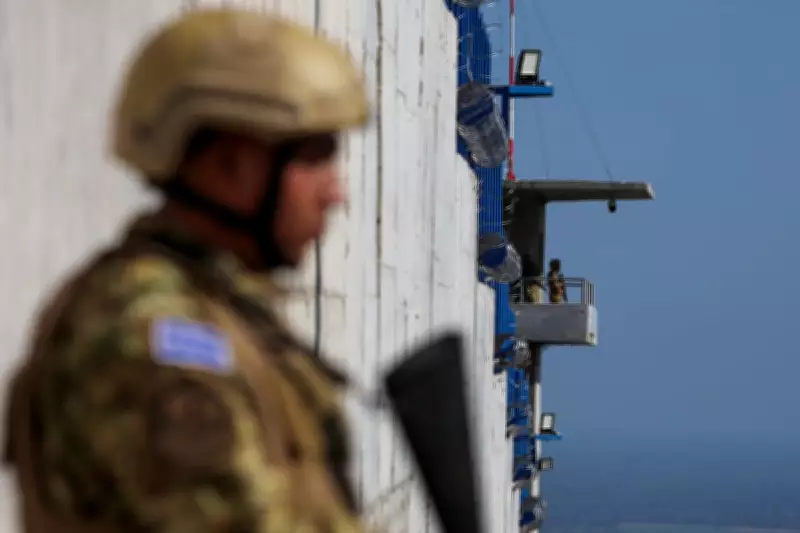
Many detainees are held in the Terrorism Confinement Center (Cecot), a showpiece mega-prison built specifically for gang members. The facility also housed over 252 Venezuelan migrants expelled by the Trump administration, who reported abuse and torture before being returned to Venezuela in a prisoner swap.
A Warning for Democracy
El Salvador's congress, dominated by Bukele's party, has eliminated presidential term limits, paving the way for indefinite re-election. "It took us decades to build democracy in all these countries," Canton warned. "And the Bukele model that these Latin American politicians are lauding ultimately implies its destruction."
The study serves as a stark reminder that security gains achieved through systematic rights violations carry profound moral and legal consequences, with implications extending far beyond El Salvador's borders.