

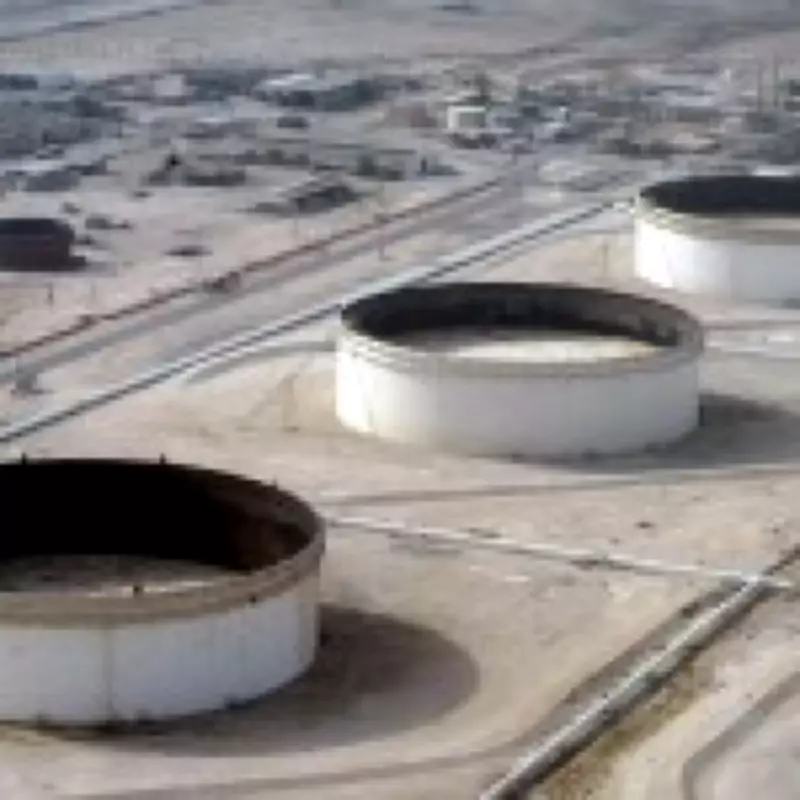
Explosions Reported at Key Iranian Oil Terminal Following Ceasefire Announcement
Less than twenty-four hours after the United States and Iran agreed to a ceasefire agreement, multiple explosions have been reported at a major Iranian oil refinery on Lavan Island in the Persian Gulf. The incident occurred early this morning, raising immediate questions about the stability of the newly announced truce between the two nations.
Confirmation from Regional Media Outlets
Iranian media agency Mehr was among the first to report the explosions, stating: 'This morning, after the ceasefire was established, several explosions occurred at the Lavan Island refinery. The source of these explosions is not yet known.' The reports have since been confirmed by multiple media outlets across the region, though the exact cause and extent of damage remain unclear.
Lavan Island serves as one of Iran's primary terminals for crude oil exports, strategically located in the southern Persian Gulf. Additional explosions were also reported at Sirri Island, which is positioned closer to the critical Strait of Hormuz shipping channel.

Iranian Response and Ceasefire Context
The Islamic Revolutionary Guard Corps (IRGC) issued a stern warning following the explosions, emphasizing: 'Given the necessity of adherence by all parties to the announced ceasefire, and based on the announcement of the armed forces, any aggression against the country will be met with a regret-inducing response.'
The explosions come at a particularly sensitive moment, as Tehran had just proposed a comprehensive 10-point plan that it described as providing 'a workable basis on which to negotiate.' This proposal emerged in response to mediation efforts by Pakistan, which has been acting as an intermediary between the conflicting parties.
Details of Iran's 10-Point Proposal
The Iranian media published the rough outline of their proposed plan, which includes several measures that have previously been points of contention with the United States:
- Complete removal of all sanctions imposed on Iran
- Restoration of Iranian control over the Strait of Hormuz
- Full withdrawal of US military forces from the Middle East region
- Cessation of all attacks targeting Iran and its allied forces
- Release of frozen Iranian assets held internationally
- A United Nations Security Council resolution to formalize and guarantee the agreement
Challenges Ahead for Diplomatic Negotiations
Despite the ceasefire announcement and Iran's proposed framework, significant obstacles remain for any substantive negotiations between Washington and Tehran. Many of the United States' evolving objectives, particularly concerning Iran's ballistic missile development and nuclear program activities, present substantial diplomatic challenges that have proven difficult to resolve in previous mediation attempts.
The timing of these explosions at a critical energy infrastructure facility adds another layer of complexity to an already fragile diplomatic situation, potentially testing the durability of the ceasefire agreement in its earliest hours.






