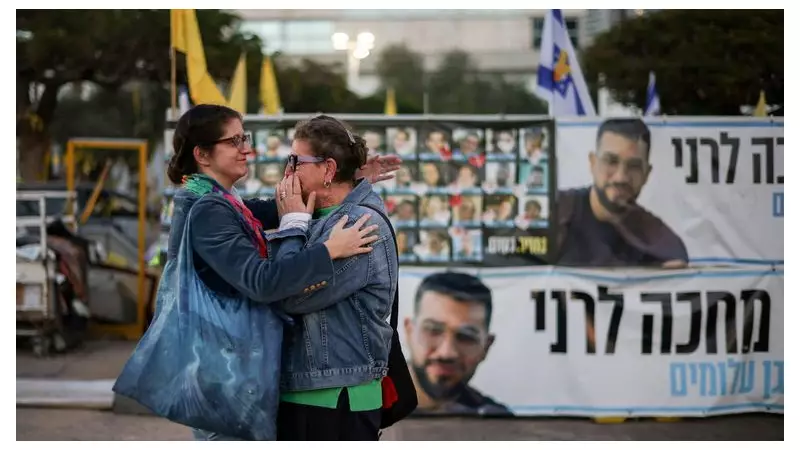
Turning Point in Israel-Hamas Conflict as Final Hostage Remains Returned
The body of police officer Ran Gvili, one of the first Israelis killed during the Hamas attack on 7 October 2023, has been returned to Israel after more than two years in Gaza. This significant development marks the conclusion of a painful chapter for Israel, with no remaining hostages—alive or deceased—held in the territory for the first time in over a decade.
End of an Era and Beginning of Reconstruction
Israeli President Isaac Herzog symbolically removed his yellow ribbon badge, representing the nationwide demand for hostage returns, in a video statement. This gesture underscores the emotional closure for many Israelis, particularly the families who have endured prolonged uncertainty. However, Gvili's return represents more than just personal solace; it serves as a crucial catalyst for advancing the next phase of the evolving peace plan.
Attention now shifts decisively to Gaza's future, with priorities including increased humanitarian aid, long-term reconstruction, governance structures, Hamas disarmament, security arrangements, and the withdrawal of Israeli forces. Each of these objectives presents formidable challenges, compounded by emerging political divisions that threaten to complicate implementation.

Ambitious Reconstruction Plans and Practical Hurdles
At the recent Davos forum, Jared Kushner unveiled a visionary proposal dubbed "New Gaza", featuring computer-generated imagery of skyscrapers and modern urban developments intended to attract investment. Despite Kushner's optimistic timeline, experts caution that clearing war debris—estimated to take up to five years—and addressing infrastructure devastation will be neither quick nor inexpensive.
- Restoration of electricity, water, and sewage systems
- Construction of new road networks
- Clearance of unexploded ordnance
- Projected costs potentially exceeding $100 billion
Middle Eastern nations may excel at rapid development, but rebuilding on conflict-ravaged land with minimal existing infrastructure represents an unprecedented challenge.
Governance Complexities and Political Tensions
The proposed governance framework, including a Board of Peace predominantly composed of allies or aspirants to U.S. President Donald Trump's favor, is likely to generate friction. Disarmament of Hamas remains ambiguously defined, with unclear methodologies, responsible parties, and verification mechanisms.
The White House promptly credited Trump with facilitating Gvili's return, highlighting the administration's desire for rapid progress under American direction. This dynamic has strained relations with Israeli Prime Minister Benjamin Netanyahu, who faces domestic criticism for perceived subservience to U.S. interests and discontent regarding Turkish and Qatari involvement in Gaza oversight boards.
Election Implications and Future Uncertainties
With Israel's general election approaching in nine months, Netanyahu navigates a delicate political landscape. Trump maintains substantial popularity in Israel, yet tensions with the Israeli leadership underscore the complex interplay between domestic politics and international diplomacy. The upcoming electoral process will inevitably reflect the profound influence of U.S. policy decisions on Israeli affairs.
As Gaza's reconstruction commences, the intertwined challenges of humanitarian recovery, political governance, and regional security will test the resolve and cooperation of all involved parties. The return of Ran Gvili's remains may close one painful chapter, but it opens another fraught with complexity and high stakes for the Middle East's future stability.