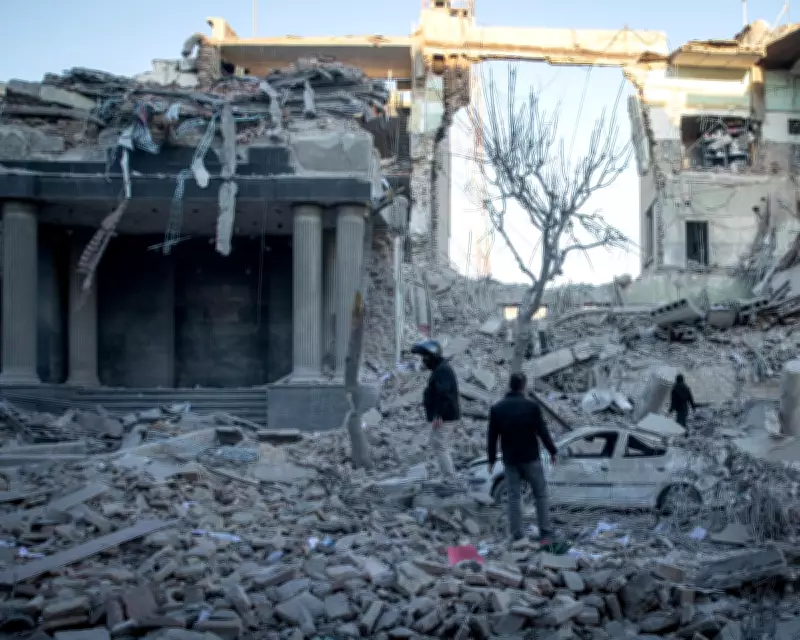
Guardian Readers Express Alarm Over Potential US-Israel Military Strike on Iran
A recent poll conducted by The Guardian has uncovered significant anxiety among its readership regarding the prospect of a joint US-Israel military offensive against Iran. The survey, which gathered responses from thousands of readers globally, highlights deep-seated concerns about the geopolitical and humanitarian implications of such an escalation in the Middle East.
Key Findings from the Reader Survey
The data reveals that a majority of respondents fear that military action could trigger a broader regional conflict, destabilizing an already volatile area. Many readers pointed to historical precedents and current diplomatic tensions as factors heightening their unease. The potential for civilian casualties and long-term economic disruption were also frequently cited as major worries.
Regional Stability at Risk

Readers emphasized that an attack on Iran could provoke retaliatory measures from Tehran and its allies, potentially drawing in other nations and exacerbating existing conflicts. This sentiment was particularly strong among respondents from the Middle East and Europe, who expressed apprehension about spillover effects on global security and energy markets.
Humanitarian and Ethical Concerns
Beyond geopolitical risks, the survey highlighted ethical dilemmas. Numerous readers questioned the legality and morality of preemptive strikes, arguing that diplomatic avenues should be exhausted first. Concerns about the impact on Iranian civilians, including potential humanitarian crises and displacement, were a recurring theme in the feedback.
"The human cost of war is often overlooked in political calculations," noted one respondent, reflecting a common view that military solutions could lead to disproportionate suffering.
Reader Demographics and Perspectives
The survey captured a diverse range of opinions, with variations based on geographic location and personal background. While some readers supported a firm stance against Iran, citing security threats, the overall tone was one of caution and skepticism toward military intervention. Key points included:
- Fears of escalating into a larger war involving multiple countries.
- Calls for increased international diplomacy and multilateral negotiations.
- Worries about the precedent set by bypassing United Nations protocols.
- Concerns over the impact on global oil prices and economic stability.
This feedback underscores a broader public sentiment favoring peaceful resolution mechanisms over armed conflict, as tensions in the region continue to simmer.