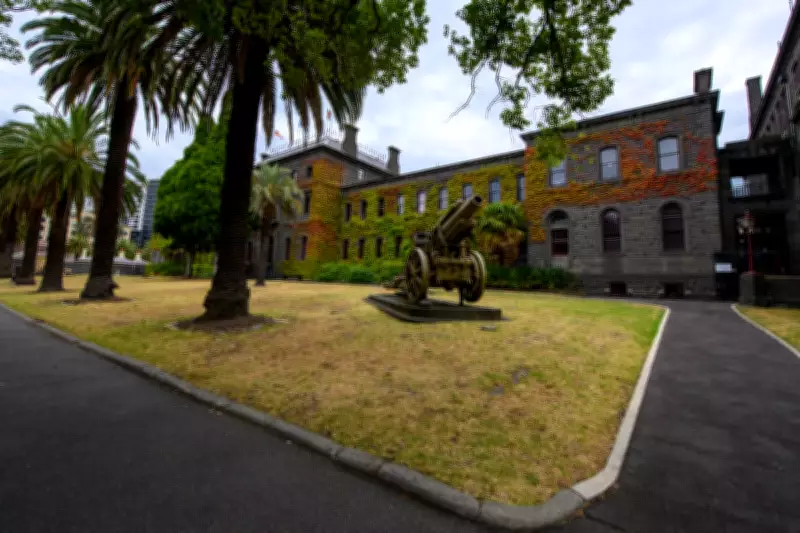
Historic Defence Properties Sell-Off Sparks Veteran Concerns
The Australian Defence Force (ADF) has announced a significant sell-off of historic defence properties, a move that has sparked considerable concern among veterans and heritage advocates. This strategic disposal plan involves numerous properties with deep historical and cultural significance, many of which have served as key military sites for decades or even centuries.
Veterans Voice Heritage Worries
Veterans groups have expressed strong reservations about the sell-off, fearing that it could lead to the irreversible loss of Australia's military heritage. These properties often hold sentimental value for former service members, serving as tangible links to their past experiences and the nation's defence history. The potential conversion or demolition of these sites for commercial or residential development is a primary worry, as it might erase important historical narratives and community landmarks.
Many veterans argue that these properties should be preserved for public use or educational purposes, rather than being sold to private entities. They emphasise the importance of maintaining these sites as memorials or museums to honour the sacrifices of service personnel and educate future generations about Australia's defence legacy.

Details of the Defence Properties Disposal
The ADF's sell-off plan is part of a broader strategy to streamline defence assets and reduce maintenance costs. The properties in question include a range of facilities, from old barracks and training grounds to administrative buildings and storage depots. Some of these sites date back to the early 20th century or earlier, featuring unique architectural styles and historical artefacts.
The disposal process is expected to be conducted in phases, with the ADF assessing each property's current use, heritage value, and market potential. This approach aims to balance financial considerations with respect for historical significance, but critics question whether heritage preservation will be adequately prioritised in the face of budgetary pressures.
Community and Economic Implications
Beyond veteran concerns, the sell-off has broader implications for local communities and the economy. Many of these defence properties are located in regional areas, where they have been integral to local economies and social structures. Their sale could lead to:
- Job losses or changes in employment patterns
- Shifts in property markets and land use
- Potential disruptions to community cohesion
On the other hand, proponents of the sell-off argue that it could free up valuable land for development, potentially boosting housing supply or commercial activity. They suggest that careful planning and heritage assessments could mitigate negative impacts while leveraging economic opportunities.
Looking Ahead: Balancing Heritage and Progress
As the ADF moves forward with its disposal plan, the debate highlights the ongoing challenge of balancing heritage preservation with modernisation and fiscal responsibility. Veterans and heritage groups are calling for greater transparency and consultation in the process, urging the defence force to consider alternative uses that honour the properties' historical significance.
This situation underscores the need for robust heritage protection policies within defence planning, ensuring that Australia's military history is not sacrificed for short-term gains. The outcome of this sell-off could set a precedent for how historic defence assets are managed in the future, making it a critical issue for stakeholders across the nation.