

Hungarian Forces Accused of Administering Forced Injection to Ukrainian Detainee
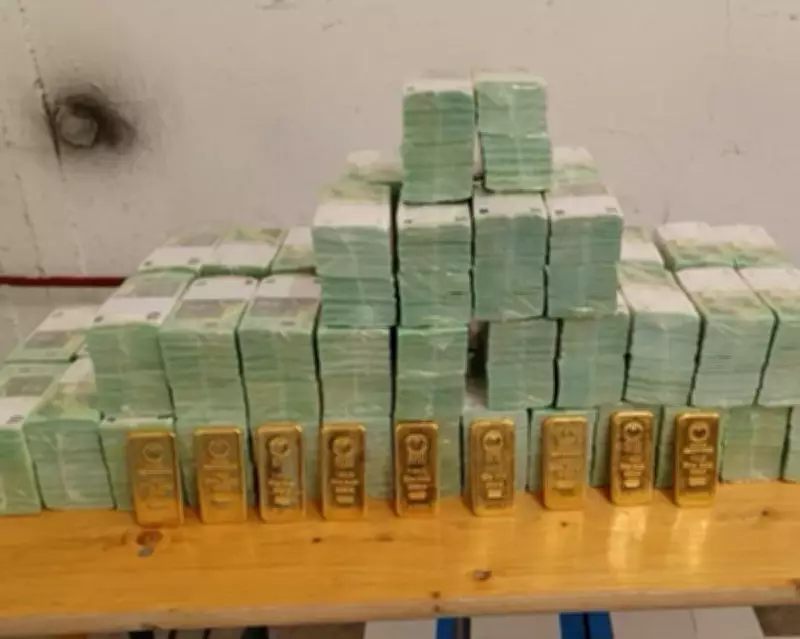
Hungarian security operatives have been accused of administering a forced injection to one of seven Ukrainian bank employees detained during a dramatic raid on armored vehicles transporting tens of millions in cash and gold bars earlier this month. According to security sources in Kyiv, the injection contained a relaxant intended to make subjects more talkative during interrogations, a method described as reminiscent of historical KGB practices.
Details of the Controversial Raid and Detention
The incident occurred on March 5 when Hungary's TEK anti-terrorism police stopped a two-vehicle convoy from Ukraine's state savings bank, Oschadbank, as it transited through Hungary from Vienna to Ukraine. The seven Ukrainian men accompanying the convoy were detained for over 24 hours, spending much of that time blindfolded and handcuffed before being deported back to Ukraine.
During their detention, one of the men—a former employee of Ukraine's SBU security service who is diabetic—reportedly received the forced injection. The drug allegedly caused him to suffer a hypertensive crisis and lose consciousness, requiring eventual hospitalization. Ukrainian sources claim traces of a truth serum-type drug were detected in blood tests conducted after the men returned to Ukraine.

Conflicting Accounts and Official Responses
Lóránt Horváth, the Hungarian lawyer representing the detained Ukrainians, confirmed that "one individual received an injection of unknown contents despite his objections." A Hungarian police source acknowledged hearing about an injection but didn't know its contents. Meanwhile, TEK directed inquiries to Hungary's tax and customs agency, which didn't respond, and Oschadbank cited medical privacy concerns in declining to comment directly on the injection claims.
The bank did confirm that one detainee had disabilities requiring special diet and medication, and that his health deteriorated during detention with medical care only provided after he lost consciousness. Oschadbank has since filed criminal complaints against Hungarian authorities for abuse of office and is seeking the return of the impounded funds and gold.
Political Context and Escalating Tensions
The raid occurred as Hungary approaches crucial parliamentary elections with polls suggesting nationalist leader Viktor Orbán might lose power after 16 years. Orbán, who maintains regular contact with Moscow and has been the EU's most pro-Russian leader, has sought to portray Ukraine and President Volodymyr Zelenskyy as threats to Hungary during the campaign.
Hungarian authorities have opened a money laundering case, claiming the funds were destined for Ukraine's "war mafia," while state-controlled media has extensively covered the story as part of Orbán's narrative that Brussels and Kyiv are trying to drag Hungary into the Ukraine war. Transport Minister János Lázár, a close Orbán ally, suggested the money seizure was politically motivated retaliation for Kyiv's reluctance to repair a pipeline transporting Russian gas to Hungary.
Operational Details and Aftermath
Ukrainian sources explained that with Russian war shutting down Ukrainian airspace, land transfers of government funds have become common practice, with many previous shipments traversing Hungary without incident. They accused Budapest of seeking pretexts to escalate bilateral tensions.
During this operation, TEK officers reportedly lay in wait for the convoy, stopping it on the highway while pointing weapons at the vehicles. The Ukrainians were arrested without a Ukrainian interpreter provided—only a Russian-speaking one was available. A Hungarian police source described the operation as "very unprofessional" and noted that not all TEK members were happy about executing it.
The seven men were eventually driven to the Ukrainian border, deported, and banned from the Schengen zone. Their possessions were initially kept by Hungarian authorities, with the money and gold remaining impounded. The incident has further strained Hungary-Ukraine relations, with Zelenskyy making pointed comments about Orbán that were quickly incorporated into Hungarian government messaging about Ukrainian threats.






