

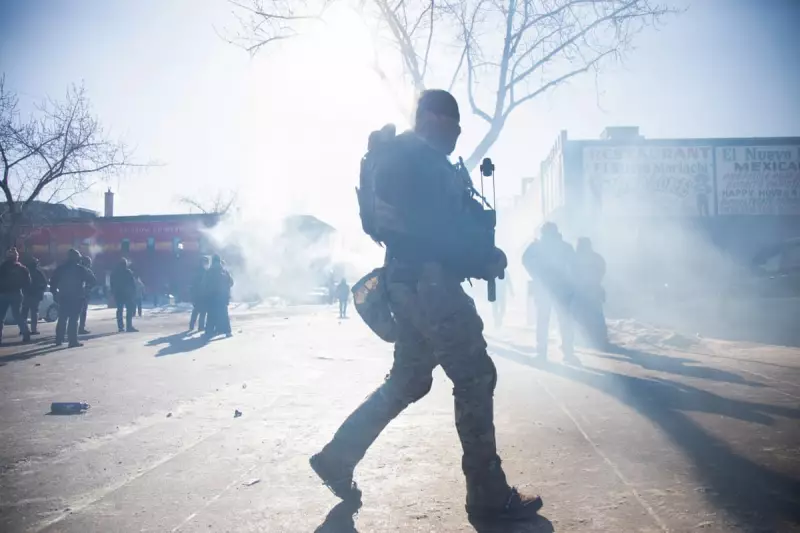
Daylight Execution: ICE Agents Kill Minneapolis Nurse While Filming
The chilling final moments of Alex Pretti's life were captured on multiple bystander videos in Minneapolis, showing the 37-year-old intensive care nurse attempting to document ICE agents' operations before being surrounded, beaten, and shot. His last words, spoken to a woman who had been tackled and pepper-sprayed, were a simple question: "Are you OK?"
Contradictory Claims and Video Evidence
Trump administration officials immediately sought to portray Pretti as a villain following the shooting, with senior White House adviser Stephen Miller labeling him a "domestic terrorist" without providing evidence. Department of Homeland Security Secretary Kristi Noem echoed these claims, while border patrol commander Gregory Bovino suggested Pretti "wanted to do maximum damage and massacre law enforcement."
These official narratives stand in stark contrast to video evidence showing Pretti holding his phone in one hand while using the other to shield his face from pepper spray. The footage reveals him filming ICE agents - a constitutionally protected activity - and waving cars around the scene to avoid officers as they attacked other onlookers.

A Pattern of Violence Against Observers
Pretti's killing follows the similar death of fellow Minneapolis resident Renee Good, also 37, who was killed by ICE earlier this month. In both cases, videos show ICE officers escalating situations and drawing weapons with what appears to be unnecessary eagerness against calm observers.
The administration's response suggests that opposing what many describe as a violent occupation and mass ethnic cleansing operation warrants a death sentence. This pattern has created a climate of fear in Minneapolis, where ordinary citizens now wear whistles around their necks to alert neighbors when ICE agents appear.
The Growing Resistance Movement
Thousands of Minneapolis residents have joined resistance efforts against what they perceive as an occupation of their city. Daily activities now include:
- Citizens braving the streets to deliver groceries and medicine to immigrant families hiding in their homes
- Local parents supervising school and daycare drop-offs to prevent children from being snatched by agents
- Community members following ICE vehicles to record arrests and help families locate disappeared loved ones
These ordinary, effortful gestures of kindness have become increasingly dangerous as ICE appears to be targeting helpers and observers specifically.
ICE's Attempt to Operate in Shadows
The agency's apparent hostility toward being witnessed manifests in multiple ways:
- Agents covering their faces during operations
- Using unmarked vehicles
- Receiving instructions not to wear agency insignia when off-duty
This clandestine approach evokes historical instances of racial terror in America, drawing uncomfortable parallels with masked groups that have sought to eliminate "undesirables" from communities.
Calls for Accountability and Future Reckoning
Former Boston police commander and criminology professor Tom Nolan has described Pretti's death as "stone cold murder," while others characterize it as witness elimination. There's growing consensus that any path back to political stability in the United States must involve a reckoning with ICE's actions.
The restoration of democratic norms will likely require investigations, prosecutions, and tribunals to assess responsibility for these killings. As one observer noted, "If they're trying to eliminate witnesses, they cannot eliminate us all."
Pretti's Legacy and Final Message
In a poignant posthumous video released by colleagues, Pretti can be seen reading a tribute to veterans at the VA hospital where he worked. His words now carry profound additional meaning: "Today, we remember that freedom is not free. We have to work at it, nurture it, protect it and even sacrifice for it."
Pretti's final act of witnessing has now called thousands more to document the horrors of their time, regardless of the consequences. His sacrifice underscores the bravery required to protect democratic values when they come under threat from within government institutions.






