Iran's New Ayatollah Issues Violent Call Against Trump and Zionists
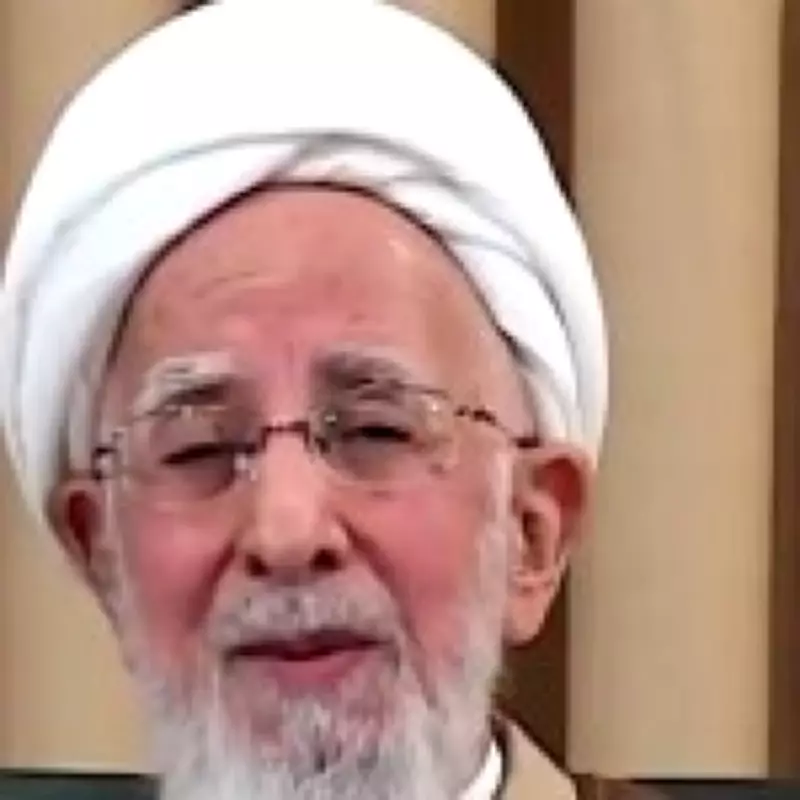
In a dramatic escalation of rhetoric, Iran's new Ayatollah Abdollah Javadi Amoli has publicly called for "the shedding of Zionist blood, the shedding of Trump's blood" during a state television broadcast. This rare explicit call for violence from a senior religious leader comes as the conflict in Iran expands, with Amoli urging viewers to "fight the oppressive America" and declaring that Trump's blood is "on my shoulders." He emphasized the importance of preserving unity and alliance during what he described as "a great test" for the nation.
Background of the Conflict and Recent Developments
The war, initiated by the United States and Israel on Saturday, has targeted Iran's leadership, missile arsenal, and nuclear program, with some officials suggesting regime change as a goal. This operation resulted in the death of Iran's supreme leader, Ayatollah Ali Khamenei, creating a potential power vacuum that some see as an opportunity for change, while others warn of chaos. Casualties have mounted, with over 1,230 people killed in Iran, more than 70 in Lebanon, and around a dozen in Israel, according to official reports from those countries.
Escalating Military Actions and International Tensions
Today, Iran launched a new wave of attacks targeting Israeli and American bases, vowing that the US would "bitterly regret" its actions. This follows a significant naval incident where the US Navy sank an Iranian warship, the Frigate Dena, in the Indian Ocean on Tuesday night, resulting in at least 87 Iranian sailor fatalities. Iranian Foreign Minister Abbas Araghchi condemned the attack as "an atrocity at sea," noting the vessel was struck in international waters without warning while carrying nearly 130 sailors as guests of India's navy. He warned on social media that the US would come to regret setting this precedent.

In response, Israel reported multiple incoming missile attacks, with air sirens sounding in Tel Aviv and Jerusalem. Iranian state television confirmed additional strikes on US bases, and the paramilitary Revolutionary Guard claimed responsibility for launching Khorramshahr-4 missiles with one-ton warheads against Israel on Thursday. The Guard also asserted attacks in Bahrain, Kuwait, and the United Arab Emirates, while the Israeli military conducted targeted strikes in Lebanon against Hezbollah and a large-scale wave of attacks on infrastructure in Tehran, where explosions were later heard.
Online Mobilization and Broader Implications
Calls for jihad have proliferated in online chats linked to the Islamic Revolutionary Guard Corps, urging supporters in Iran, Iraq, Lebanon, and Pakistan to "burn the embassies and assets" of enemies. This digital mobilization underscores the deepening conflict's potential to spill over into broader regional instability. As the war intensifies, with both sides exchanging missile barrages and naval engagements, the international community watches closely, concerned about the humanitarian toll and the risk of further escalation involving multiple nations across the Middle East.