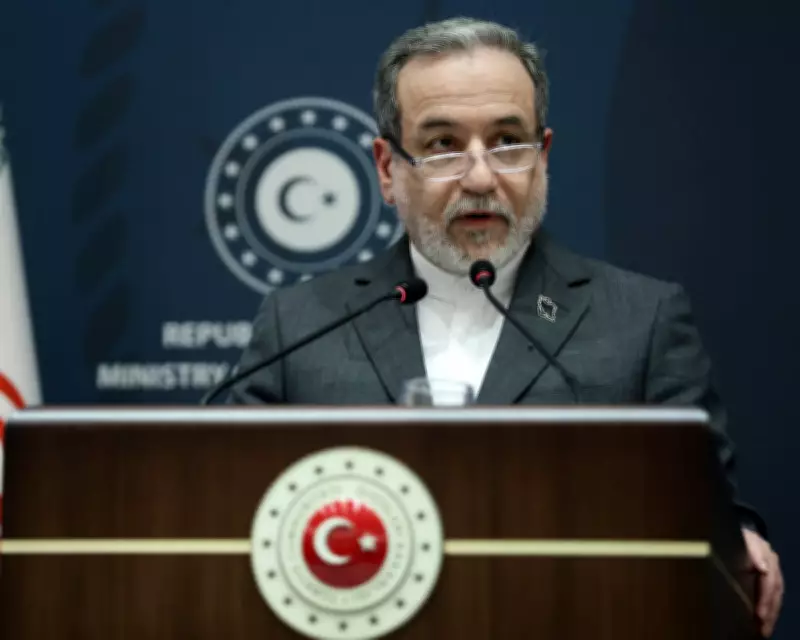
Iranian Diplomat Announces Readiness for High-Stakes Nuclear Negotiations
Iran's foreign minister, Abbas Araghchi, has declared that the Islamic Republic stands prepared to engage in diplomatic discussions with the United States concerning its nuclear programme. This announcement comes amidst significant military movements in the region, with American warships and airpower assembling for potential operations against Iranian targets.
Diplomatic Overture Amid Military Posturing
Speaking during a visit to the shrine of Ayatollah Ruhollah Khomeini, Araghchi observed that Iran's adversaries have now shifted their focus towards diplomatic channels. "[Iran's enemies] are talking about diplomacy today, even though Iran has always been ready for this option, provided there is mutual respect and consideration of interests," the foreign minister stated.
This diplomatic overture follows reports that both nations are preparing to dispatch senior envoys to Istanbul for crucial negotiations later this week. According to Iranian media, President Masoud Pezeshkian has formally authorised the commencement of nuclear discussions with American representatives.

US Military Buildup and Regional Tensions
The potential talks unfold against a backdrop of heightened military activity. President Donald Trump has deployed what has been described as a "massive armada" to the Middle East, including the USS Abraham Lincoln aircraft carrier alongside guided missile destroyers and numerous strike aircraft. This military presence represents a direct response to Iran's suppression of domestic protests, which activists claim has resulted in thousands of casualties.
Trump has simultaneously indicated a willingness to pursue diplomatic solutions, remarking that Iranians were "seriously talking to us" while hinting at potential agreements to prevent military confrontation. The American administration seeks Iranian commitments to cease production of weapons-grade uranium and dismantle its ballistic missile capabilities.
Complex Regional Dynamics and Security Concerns
The proposed Istanbul meeting would mark the first direct engagement between US and Iranian officials since April, preceding last June's conflict during which Israeli and American forces targeted Iranian nuclear and missile facilities. In retaliation, Iran launched hundreds of ballistic missiles toward Israeli population centres, most of which were intercepted by defence systems.
Regional security concerns have intensified following discussions between Saudi, Israeli, and American officials regarding potential strikes and Iranian countermeasures. Israeli Prime Minister Benjamin Netanyahu has warned that any attackers would face "unbearable consequences," while Iran has threatened retaliatory strikes against Tel Aviv should American military action occur.
Domestic Pressures and Humanitarian Considerations
Within Iran, the government faces mounting internal challenges. Recent satellite imagery reveals reconstruction efforts at nuclear facilities damaged during previous strikes, while Iranian authorities express concern that limited American military action could reignite widespread protests. Supreme Leader Ayatollah Ali Khamenei has cautioned that US aggression could trigger broader regional conflict.
The humanitarian situation remains contentious, with Iranian officials acknowledging 3,117 protest-related fatalities while independent activists estimate the death toll exceeds 30,000. Protesters continue demanding independent investigations into the government's response to demonstrations initially sparked by economic difficulties.
As diplomatic preparations advance, a spokesperson for Iran's foreign ministry indicated that "several points have been addressed and we are examining and finalising the details of each stage in the diplomatic process, which we hope to conclude in the coming days." The international community watches closely as these delicate negotiations unfold against a complex backdrop of military posturing and regional instability.