Iranian Regime to Mobilize Sleeper Agents Across Western Nations, Former Israeli General Alerts
In a stark warning, former Israeli intelligence chief Brig. Gen. (Res.) Yossi Kuperwasser has declared that the Iranian regime is poised to activate dormant sleeper cells in Western countries to retaliate for the death of Ayatollah Ali Khamenei. The supreme leader, aged 86, was killed in an airstrike on his compound, prompting vows of global repercussions from Iran's foreign ministry.
Potential for Terror Attacks to Destabilize US and Allies
Kuperwasser, who previously headed the Research Division at the Israel Defense Forces' Intelligence Corps, emphasized that these sleeper cells are strategically positioned worldwide, including in the United States and other regions with dissident Iranian communities. He stated that the regime is likely working to awaken these agents now, with attacks aimed at destabilizing nations perceived as responsible for Khamenei's assassination.
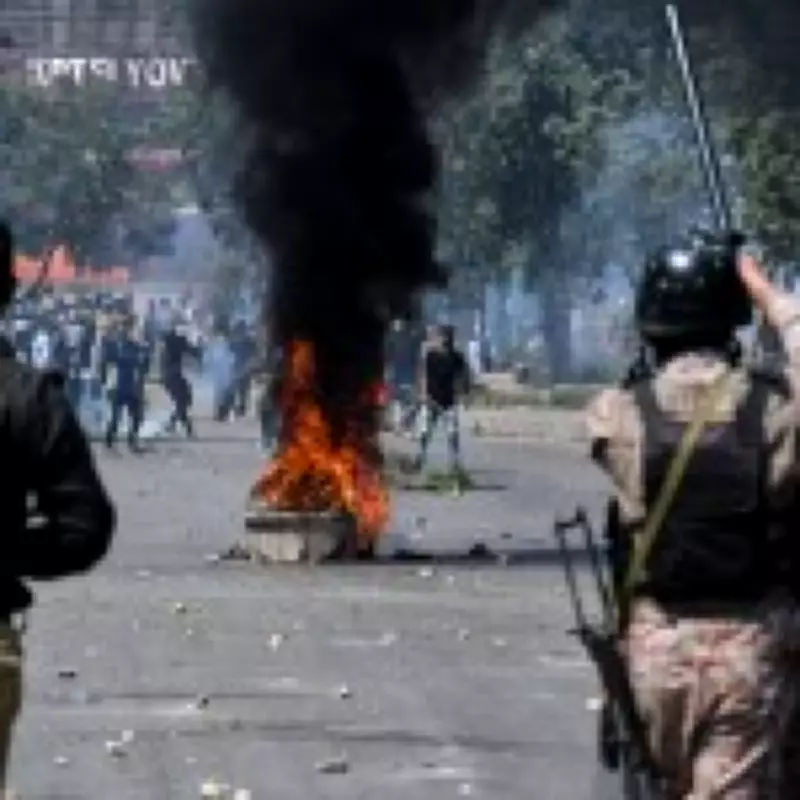
The former general, now leading the Jerusalem Institute for Strategy and Security, highlighted recent violent protests at the US consulate in Karachi, Pakistan, as evidence of Iran's international influence. Hundreds of pro-Iranian demonstrators stormed the facility, resulting in casualties and property damage.

Intelligence Agencies on High Alert for Sleeper Cell Activation
Kuperwasser urged vigilance, noting that intelligence agencies are intensifying efforts to identify and monitor these dormant cells. He explained that activation could occur through covert channels, such as coded messages online, making detection challenging. While European countries may be spared due to their non-involvement in the assassination, the focus remains on potential threats in the West.
In response to escalating tensions, UK Defence Secretary John Healey reported British military involvement in intercepting missiles and drones targeting allies like Qatar, with personnel narrowly avoiding strikes in Bahrain and Cyprus.
Recruitment and Triggers for Sleeper Cells Unveiled
Insights from the Iranian community in London reveal that recruitment often occurs when expatriates visit Iran, involving interrogations and pressure to perform tasks for the regime. However, many refuse these overtures. Experts, including Prof. Julian Richards from the University of Buckingham, describe activation mechanisms as subtle and difficult to spot, relying on pre-arranged signals from agents within host countries.
Middle East Conflict Escalates with Proxy Forces in Play
Kuperwasser predicted a prolonged military campaign, citing Iran's extensive missile capabilities. He asserted that sustained attacks on leadership and security forces could embolden Iranian citizens to protest against the regime. Additionally, Iran may call upon proxy groups like Hezbollah and the Houthis, though these factions may hesitate due to fears of Israeli retaliation.
The death of Khamenei has sparked mixed reactions globally, with celebrations among British-Iranian expatriates in London, while Iranian media mourned the loss. As the situation unfolds, the international community remains on edge, anticipating further developments in this volatile geopolitical landscape.