Iran Unveils Symbolic Mural in Tehran Warning US Against Military Action
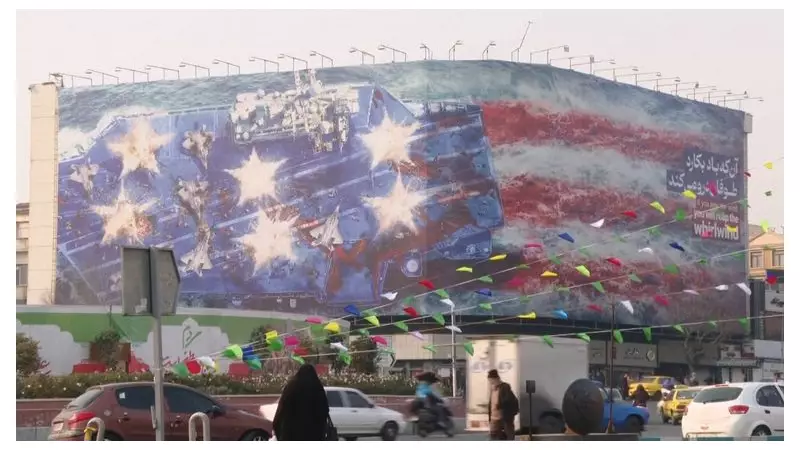
A striking new mural has been unveiled in a prominent square in central Tehran, delivering a stark warning to the United States against launching any military strike on Iran. The painted image, revealed on Sunday 25 January 2026, features a dramatic scene of damaged planes scattered across the flight deck of an aircraft carrier, accompanied by a powerful slogan in both Farsi and English: "If you sow the wind, you will reap the whirlwind."
Strategic Location and Message
The mural's placement in Enghelab Square is highly significant, as this location is traditionally used for state-organised gatherings and its artwork is frequently updated to reflect national occasions and political statements. This latest installation comes at a time of escalating tensions in the region, with a senior Iranian official recently declaring that any attack would be treated as "an all-out war against us." The timing coincides with the anticipated arrival of the USS Abraham Lincoln aircraft carrier and several guided-missile destroyers to the Middle East in the coming days.
US Military Movements and Trump's Statements
US President Donald Trump has commented on the deployment of these naval assets, describing them as a precautionary measure. "We have a massive fleet heading in that direction and maybe we won't have to use it," he stated on Thursday, adding that the forces are being moved "just in case" he decides to take action. Trump has previously urged Iranian protesters to continue their demonstrations, promising that "help is on the way," although recent reports indicate a lull in protests and disputes over claims regarding the execution of arrested demonstrators.

Historical Context and Escalating Rhetoric
The unveiling of this mural follows a pattern of heightened military posturing in the region. The US military has periodically reinforced its presence in the Middle East during times of increased tension, often viewed as defensive manoeuvres. However, a significant build-up last year preceded airstrikes against Iran's nuclear programme, a fact that underscores the current volatile situation. Trump has further escalated the rhetoric by suggesting that any future military action would make previous strikes "look like peanuts," indicating a readiness for more substantial engagements.
This mural serves as a vivid reminder of the ongoing geopolitical standoff, blending artistic expression with political messaging to convey Iran's stance on potential conflict. As both nations navigate this delicate period, such public displays highlight the deep-seated animosities and the high stakes involved in the Middle East's complex security landscape.