

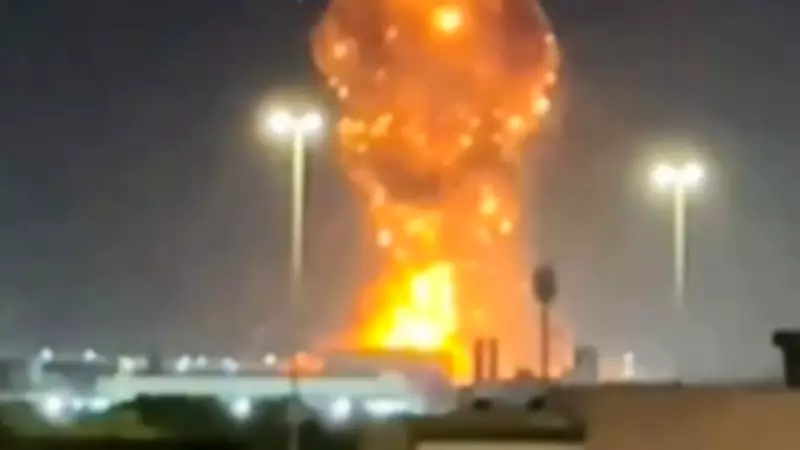
In a dramatic escalation of the ongoing conflict, the last 24 hours have witnessed Iran launching a series of devastating missile strikes on critical energy targets across the Middle East, raising alarms about the potential for catastrophic damage to the global economy if the war prolongs. The attacks targeted facilities in Saudi Arabia, Qatar, Kuwait, and Israel, demonstrating Iran's military resilience despite weeks of intense bombardment.
Economic Fallout from Energy Attacks
The immediate impact of these strikes has been severe, with one attack on the Ras Laffan gas plant in Qatar alone causing an estimated $26 billion in damages and requiring years for repairs. This disruption has already led to a sharp reduction in liquefied natural gas supplies to global markets, driving up prices. European consumers are feeling the pinch, with gas costs soaring by 30% in just a day. Analysts and economists are issuing dire warnings, suggesting that if such energy attacks continue for weeks, the consequences could be far more devastating, affecting everything from oil and gas to helium, plastics, and fertiliser prices.
Iran's Stance on Escalation
In an exclusive interview with Sky News, Esmail Baghaei, a senior Iranian diplomat, defended the attacks as a necessary response to aggression. He stated, "You cannot expect a country that is under military aggression to exercise restraint. You have to direct your call to those aggressors, they started this." Baghaei emphasized that Iran's actions were provoked by Israeli airstrikes on its South Pars gasfield, marking a new level of hostility in the conflict. When asked about potential diplomatic solutions, he dismissed the idea of offering an olive branch, citing ongoing threats to Iranian leaders and elites.

International Reactions and Military Considerations
In response to the escalating situation, former U.S. President Donald Trump has reportedly issued warnings to Israel and Qatar against further attacks on energy fields. More significantly, there are reports that Trump is considering deploying troops to secure the Strait of Hormuz, a critical chokepoint for global oil shipments. Such a move could extend the conflict for months, heightening risks to the Gulf's energy infrastructure and, by extension, the world economy. The potential for prolonged missile duels in the Persian Gulf has been likened to a "shootout in a warehouse of crystal," underscoring the fragility of the situation.
Broader Implications for Global Stability
The recent attacks underscore Iran's continued military potency, with its missile arsenal posing a significant threat to regional stability. If the conflict intensifies, the damage to energy installations could have ripple effects worldwide, exacerbating economic pain for consumers and industries alike. As the war enters its third week, the international community faces mounting pressure to intervene diplomatically, but with Iran showing little willingness to back down, the path to de-escalation remains uncertain. The coming days will be crucial in determining whether this conflict spirals into a full-blown economic crisis or if cooler heads can prevail to avert further disaster.






