

Iran Issues Stern Warning to Israel and US Following Attacks on Nuclear Facilities
Iran has issued a stark warning to Israel and the United States, accusing them of "playing with fire" after a series of strikes targeted key nuclear and industrial sites within its borders. The Iranian government has vowed to exact a "heavy price" for these attacks, which have heightened tensions in an already volatile region.
Details of the Strikes and Immediate Fallout
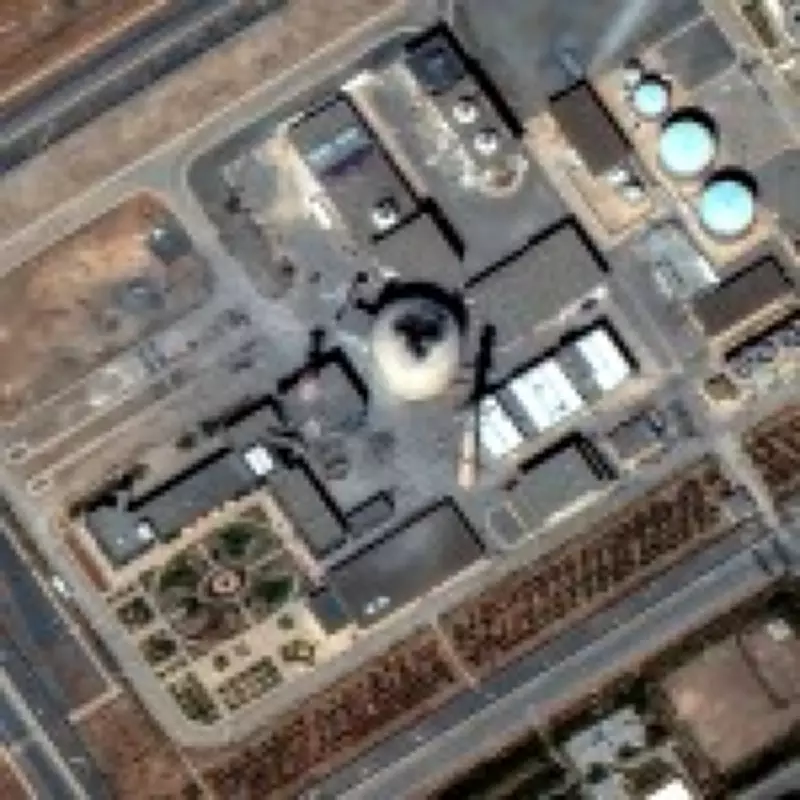
According to state media reports, the strikes occurred late on Friday, hitting Iran's decommissioned heavy-water nuclear research reactor and a factory responsible for producing yellowcake uranium. The Iranian Atomic Energy Organisation confirmed that the attacks did not result in any casualties or pose a risk of radioactive contamination. However, the swift and forceful response from Tehran underscores the gravity of the situation.
Iranian Foreign Minister Abbas Araqchi took to social media platform X to condemn the actions, stating, "Israel has hit two of Iran's largest steel factories, a power plant, and civilian nuclear sites among other infrastructure." He further emphasized that Israel claimed to have acted in coordination with the United States, a move he described as contradictory to extended diplomatic deadlines set by the U.S. presidency. Araqchi's message was clear: "Iran will exact a HEAVY price for Israeli crimes."

Military and Strategic Responses
The Islamic Revolutionary Guard Corps (IRGC) echoed this threat, warning of imminent retaliation. Seyed Majid Moosavi, commander of the IRGC's Aerospace Force, posted on X, urging employees of companies linked to the U.S. and Israel to vacate their workplaces immediately. His statement carried a menacing tone: "You tested us once before; the world has once again seen that you yourselves started playing with fire and attacking infrastructure. This time, the equation will no longer be 'an eye for an eye', just wait."
In the context of nuclear technology, the targeted sites hold significant importance. Yellowcake is a concentrated form of uranium used in the nuclear fuel cycle, while heavy water serves as a moderator in certain types of nuclear reactors, highlighting the strategic nature of the attacks.
Diplomatic Maneuvers and Regional Escalation
Amidst the military posturing, diplomatic channels remain active but strained. A senior Iranian source disclosed to Reuters that Tehran has yet to decide on its response to a 15-point proposal sent by the United States earlier this week. This proposal, delivered via Pakistan, reportedly includes demands for Iran to dismantle its nuclear and missile programs and relinquish control over critical energy trade routes. The Iranian official expressed frustration, noting that the continuing strikes while the U.S. seeks talks are "intolerable," with an expected response delayed beyond the initial timeline of Friday or Saturday.
The conflict has rapidly expanded across the Middle East, resulting in thousands of casualties and unprecedented disruptions to global energy supplies. According to Maria Martinez of the International Federation of Red Cross and Red Crescent Societies, Iran alone has suffered more than 1,900 deaths and at least 20,000 injuries. The ripple effects are profound, with attacks by Iran's ally Hezbollah on Israel triggering a counter-offensive that has displaced a fifth of Lebanon's population. The global economy is feeling the strain, as soaring oil, gas, and fertilizer prices fuel inflation fears worldwide.
U.S. Stance and Future Outlook
The United States has indicated that its operations against Iran are expected to conclude within weeks, not months, with objectives achievable without deploying ground troops. President Donald Trump's special envoy, Steve Witkoff, expressed hope for meetings with Iranian officials this week, suggesting a potential diplomatic pathway despite the escalating hostilities.
As the situation unfolds, the international community watches closely, aware that any misstep could ignite a broader conflict with devastating consequences. Iran's warnings serve as a stark reminder of the fragile balance in the region, where military actions and diplomatic efforts are increasingly intertwined in a high-stakes game of geopolitical chess.






