Iranian Activist Decries US-Israeli Bombardment as Civilian Toll Rises
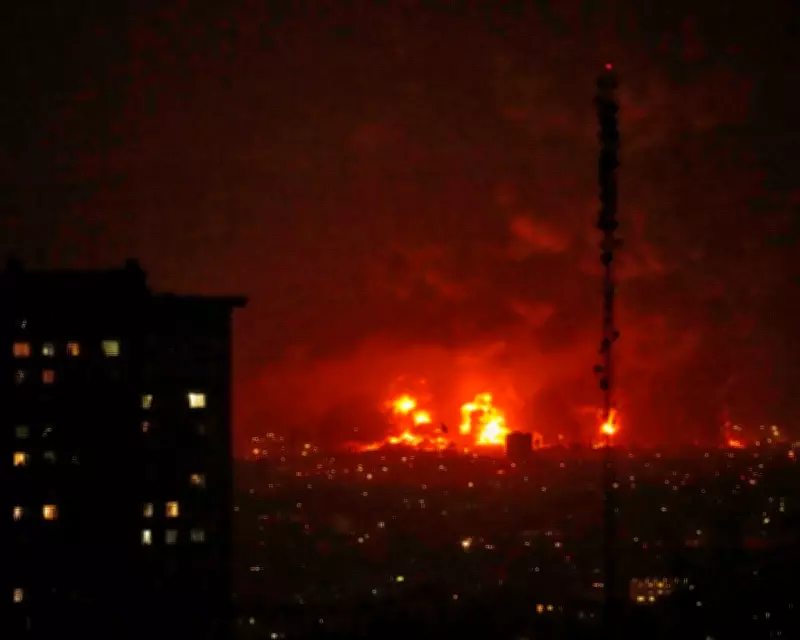
Flames engulfed an oil storage facility south of Tehran on March 7, 2026, following a series of devastating airstrikes that targeted the city. The attack, part of a broader US-Israeli military operation, has sparked outrage and sorrow among Iranians, with women's rights activist Nasrin Parvaz pleading for global attention to the escalating humanitarian crisis. As bombs rain down from the skies, Parvaz questions who will stand up for the Iranian people, arguing that calls for popular uprisings and empty promises of assistance are reckless and ineffective in addressing the country's deep-seated plight.
The True Motives Behind the War
Parvaz, a torture survivor who endured imprisonment under the Iranian regime, emphasizes that the war launched by Donald Trump and Benjamin Netanyahu is not driven by a genuine desire to liberate Iranians from tyranny. Netanyahu's declaration on the second day of the conflict, naming the operation "Lion's Roar" and expressing a long-held ambition, reveals a strategic agenda rather than a humanitarian mission. Meanwhile, Iranian monarchists, celebrating the carnage by waving flags featuring the shah's crowned lion and sun, align themselves with external forces, complicating the political landscape.
Reza Pahlavi, the son of the former shah deposed in the 1979 revolution, has positioned himself as a potential leader from exile, tweeting condolences for American casualties while overlooking the thousands of Iranian civilians killed, including over 150 schoolgirls believed to have died in a US strike. Parvaz criticizes this disconnect, noting that Pahlavi's Americanized perspective fails to acknowledge the suffering of ordinary Iranians, who have endured decades of conflict and repression.

The Perils of Monarchist Ambitions and External Interference
Parvaz draws a sharp distinction between Iranians inside the country who raise monarchist flags out of desperation and those in the diaspora with more dubious backgrounds, including former Islamic guards. She warns that the US-Israeli war could inadvertently empower such elements, echoing the 1953 coup that installed Pahlavi's father with UK and US support. This historical parallel underscores the risks of externally managed regime change, which often bypasses grassroots movements and exacerbates violence.
Trump, Netanyahu, and Pahlavi have repeatedly urged Iranians to rise up, but Parvaz highlights the deadly consequences of such calls. In January, Trump's promise of help led to tens of thousands of protesters being killed, with no actual assistance materializing. By framing demonstrators as foreign collaborators, the regime justifies executions and arrests, with over 50,000 people detained recently, including hundreds of children. Parvaz argues that these demands are reckless, effectively condemning innocent people to death in a country where collaboration with the US or Israel is a capital offense.
A Call for Global Solidarity Against Civilian Massacres
Parvaz contends that both the regime and external powers fear a successful people-led uprising, which would be uncontrollable and threaten established interests. Critics who question the war's goals or highlight its failure to provide food and freedom are attacked by monarchists, who adopt a divisive "with us or against us" mentality. This mirrors the regime's own tactics, with monarchists now calling for the execution of leftists and Mojahedin, groups historically targeted by the Islamic Republic.
As these powers unite against the Iranian people, Parvaz appeals to the international community to stand against the aerial massacre of civilians. She hopes that Western populations will mobilize to demand an end to the war, emphasizing that solidarity, not military intervention, is key to supporting Iran's struggle for freedom. Through her poignant narrative, Parvaz underscores the urgent need for a humanitarian response that prioritizes civilian lives over geopolitical maneuvering.