

Iranian Ships Slip Through Trump's Strait of Hormuz Blockade
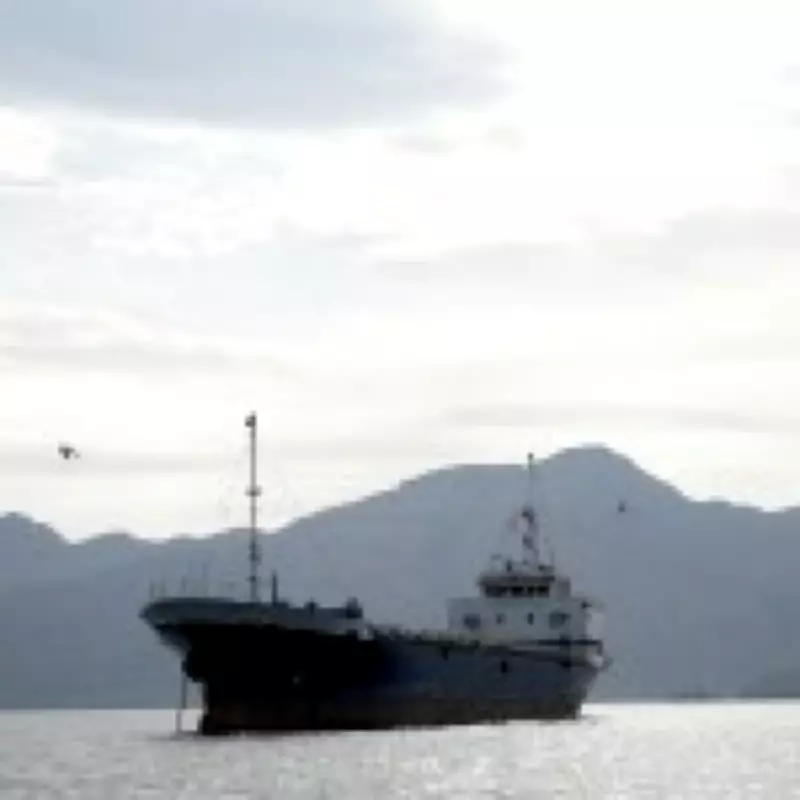
Donald Trump's blockade of the Strait of Hormuz appears less effective than proclaimed, as shipping data reveals Iranian-linked vessels passing through the critical waterway. The US President ordered the closure of this strategic pinchpoint, deploying 10,000 sailors, marines, and dozens of warships to enforce it. However, in the past 24 hours, more than 20 commercial ships, including three Iran-linked vessels and a Chinese tanker, navigated the strait without hindrance.
Details of the Transits and US Enforcement
The three Iran-linked ships that transited were not destined for Iranian ports and thus avoided blockade interference. According to MarineTraffic data, two of these vessels, the Christianna and Elpis, had previously docked at Iranian ports. US officials stated to the Wall Street Journal that any Iran-linked ship violating the blockade would be diverted to holding areas in Arabian Sea ports. A US military note clarified that humanitarian shipments are exempt from these restrictions.
Fabrizio Coticchia, a professor of political science at Italy's University of Genoa, commented, 'The United States does not need to block every type of ship or enter the Strait of Hormuz; it can carry out an intermittent blockade.' He added that ships would not be attacked but rather redirected, with US warships positioned outside the strait in the Gulf of Oman.

Geopolitical Context and Ongoing Talks
Trump announced the blockade on Sunday after peace talks in Islamabad between the US and Iran failed to yield an agreement. In a follow-up call with The New York Post, he indicated that a second round of talks 'could be happening over next two days,' possibly in Europe or again in Pakistan's capital. United Nations secretary-general Antonio Guterres echoed this, stating it is 'highly probable' that discussions will resume. The initial talks stalled over Iran's nuclear ambitions, a key point of contention for the White House.
Concurrently, in Washington, the first direct talks in decades between Israeli and Lebanese ambassadors concluded positively, according to the US State Department. Israeli ambassador Yechiel Leiter remarked that both countries are 'on the same side of the equation' in efforts to liberate Lebanon from the militant Hezbollah group.
Impact of the Conflict and Expert Analysis
The ongoing war, now in its seventh week, has disrupted global markets and economies, with shipping cut off and air strikes damaging infrastructure across the region. Casualties include at least 3,000 people in Iran, over 2,000 in Lebanon, 23 in Israel, and more than a dozen in Gulf Arab states, along with 13 US service members.
Dr. Bamo Nouri, a senior lecturer in International Relations at the University of West London, explained the contradictory nature of the strait's status: 'It is technically 'open' but not freely operating. The US presents it as open to reassure markets, while Iran is effectively controlling access – allowing passage, but under conditions, monitoring, and implicit threats against non-compliant vessels.' He noted that this creates heightened risks, reduced traffic, and rising costs, allowing Iran to exert leverage without fully closing the strait, thereby keeping markets tense despite ceasefires.






