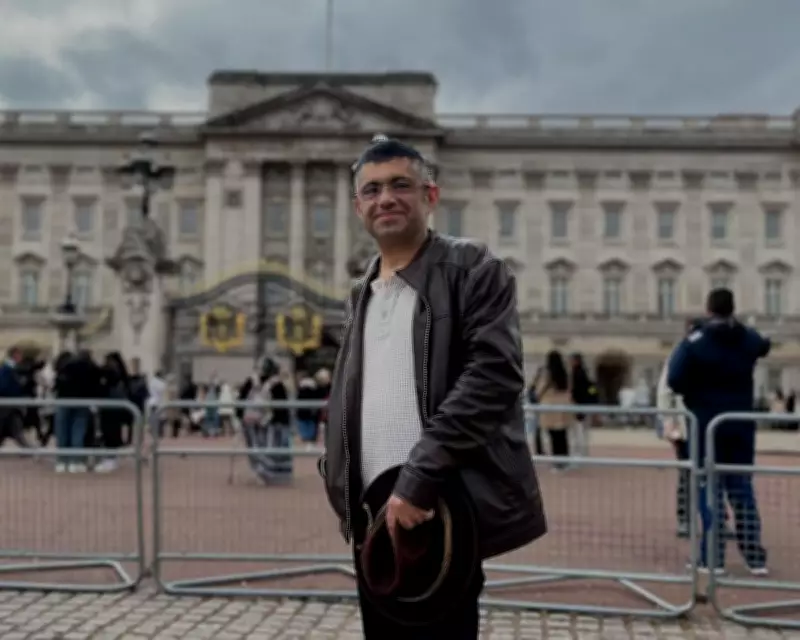
Iranian Surgeon Who Studied in London Faces Death Penalty for Treating Protesters
An Iranian surgeon, Alireza Golchini, who studied in London, has been arrested and reportedly charged with 'waging war against God', a crime that can carry the death penalty. Human rights groups are accusing Iran of conducting a 'campaign of revenge' against doctors and healthcare workers who have been treating injured protesters during the country's brutal crackdown on anti-regime demonstrations.
Violent Arrest and Serious Charges
According to reports from the Norway-based rights group Hengaw, Golchini, a 52-year-old surgeon from Qazvin, was violently arrested from his home on 10 January. His cousin, Nima Golchini, based in Canada, told the Guardian that security forces beat Golchini so severely during the arrest that they broke his arm and ribs, dragging him out in front of his wife and 11-year-old son.
The charge of 'moharebeh' (waging war against God) has been levelled against him, which carries the potential for execution. This comes after Golchini had posted his contact details on social media, offering treatment to injured patients just days before his detention.

Broader Crackdown on Medical Personnel
Golchini is not alone in facing persecution. Rights groups report that at least nine doctors and healthcare volunteers have been arrested over the past week. According to Iran Human Rights (IHRNGO), security forces have raided makeshift medical shelters and the homes of medical professionals who treated injured protesters.
One particularly disturbing case involves a volunteer first responder who turned his home into an improvised medical shelter. He was reportedly detained on 14 January after security forces raided his house, where he had provided care to more than 20 injured protesters, two of whom later died. Witnesses described the arrest as 'extremely brutal', with security forces severely beating him, smashing windows, destroying the interior of his home, and damaging his car.
International Response and Human Rights Concerns
The US State Department has called for Golchini's release and the release of 'all the brave doctors who have helped their fellow countrymen'. In a statement published on X, they emphasised that 'no executions should take place in Iran' and warned of consequences if such actions occur.
Human rights organisations are deeply concerned about what they describe as a deliberate campaign against medical staff. Hossein Raeesi, an Iranian human rights lawyer living in exile, stated: 'This appears to be a deliberate revenge campaign against doctors and medical staff who refuse to abandon the wounded.'
Mahmood Amiry-Moghaddam, director of IHRNGO, went further, calling the persecution of medical personnel 'yet another dimension of the regime's crimes against humanity'.
Background and Context
Golchini had previously treated protesters during the 2022 'Woman, life, freedom' protests, demonstrating a consistent commitment to his medical oath. His cousin emphasised that 'all he did was his duty of saving lives as a medical doctor', questioning how any physician could abandon their sworn oath to help those in need.
The broader context reveals staggering numbers: according to the US-based Human Rights Activists News Agency, more than 6,000 deaths have been verified with over 17,000 more recorded deaths under investigation. The same organisation reports at least 42,324 arrests across the country, with limited information available about the fate of those detained.
Iranian authorities have not publicly commented on Golchini's detention or confirmed any charges against him. However, Iran's judiciary chief, Gholamhossein Mohseni Ejei, has urged authorities not to show leniency towards protesters, stating: 'We should not remain silent in the face of those who seek to exploit the situation and disrupt the security and calm of the people.'
This situation highlights the extreme risks faced by healthcare professionals in Iran who are simply trying to fulfil their ethical obligations to treat the wounded, regardless of political circumstances.