Iran's Hormuz Blockade: A Strategic Gambit in Global Conflict
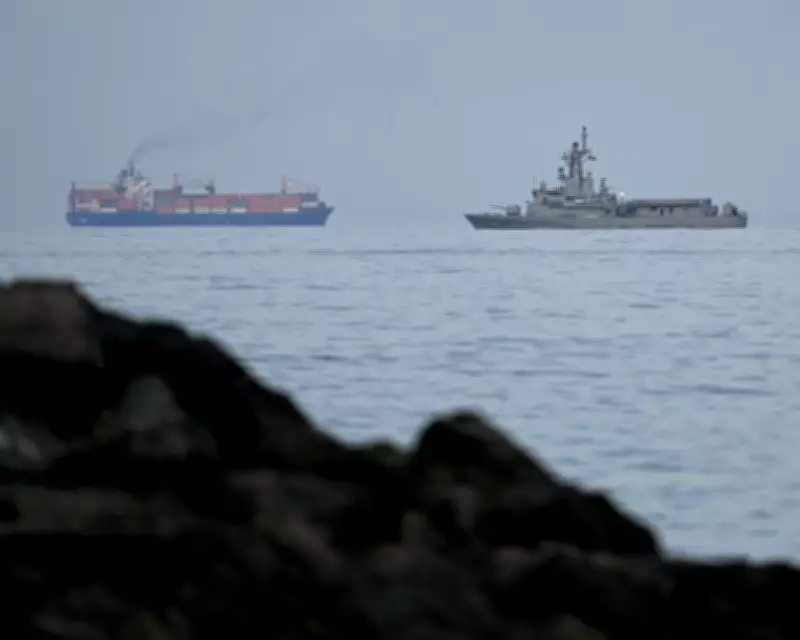
In the wake of recent US and Israeli military actions against Iran, the Iranian government has escalated tensions by initiating a blockade in the Strait of Hormuz, a critical maritime chokepoint for global oil shipments. This move, observed from Khor Fakkan in the United Arab Emirates, involves attacks on shipping vessels, effectively obstructing approximately twenty percent of the world's oil supplies. The immediate consequence has been a dramatic surge in oil prices, sending economic shockwaves across international markets and highlighting the severe costs imposed on the global economy.
Military and Diplomatic Complexities in Reopening the Strait
From a military perspective, the United States possesses the capability to significantly degrade Iran's capacity to target ships in the Strait of Hormuz. However, experts caution that completely eliminating this threat remains unlikely. Consequently, reopening this vital waterway is not solely a matter of military prowess but hinges on intricate diplomatic negotiations. To navigate this crisis, it is essential to understand the divergent objectives of all parties involved in the conflict.
For Iran, the primary aim is to re-establish deterrence after its previous strategy of using ballistic missiles to prevent direct aggression failed. By imposing substantial economic costs through the closure of the strait, the Iranian government seeks to ensure that further attacks are not contemplated by its adversaries. This approach underscores a broader desire to assert sovereignty and prevent future incursions.

US Strategic Goals and Broader Political Ambitions
Within the United States strategic community, there is a growing concern about potential global conflicts, particularly regarding China's ambitions toward Taiwan. To mitigate such risks, the US aims to neutralize threats beyond the Indo-Pacific region, including coercive control over Venezuela, the elimination of Iran's military capabilities, and the neutralization of hostile governments like Cuba. General Dan Caine, chair of the joint chiefs, has articulated limited military objectives focused on destroying Iranian industrial sites and strike capabilities. Nonetheless, US political objectives, influenced by figures such as Donald Trump, extend further, encompassing regime change or establishing coercive control over Iranian leadership.
Israeli and Russian Factors Complicating Negotiations
Israel's objectives add another layer of complexity to the situation. The Israeli government reportedly desires the collapse of the Iranian regime or its descent into internal strife, thereby extending the timeline before Iran can pose a significant threat. Israel has stated intentions to target any new leadership in Tehran, while Trump prefers a deferential regime. Although Israel might accept an end to hostilities if the US disengages, it is likely to continue strikes that hinder negotiations, aiming to degrade Iran's revenues and control mechanisms.
On the Iranian side, while the government may seek de-escalation, elements within the Islamic Revolutionary Guard Corps (IRGC) are driven by a desire for revenge, potentially leading to prolonged attacks on American interests in the Gulf and beyond. Given the decentralized nature of Iranian command and control, isolated IRGC units could persist in targeting shipping even during government-led negotiations, making it challenging for the US to withdraw.
Russia emerges as another complicating factor, with assessments indicating that crises like the Hormuz blockade could benefit its war efforts in Ukraine by diverting global attention and resources. Russia stands to gain economically from increased oil revenues, incentivizing it to prolong the crisis while avoiding direct involvement.

Regional and Global Implications of a Prolonged Crisis
For Gulf states and Europe, there is a strong impetus to resolve the crisis swiftly to prevent permanent damage to economic infrastructure and avert a severe energy crisis that could drain resources needed for defense bolstering. However, as long as Iran retains the capacity to threaten shipping in the Strait of Hormuz, negotiations will remain fraught with difficulty. The US may attempt to deter Iran through broader strikes, but with existential stakes for the Iranian government, compelling a compromise proves challenging.
In summary, the blockade of the Strait of Hormuz represents a high-stakes standoff with far-reaching economic and geopolitical ramifications. The interplay of military actions, diplomatic efforts, and conflicting objectives among key players suggests that a rapid resolution is unlikely, underscoring the potential for a protracted crisis with ongoing global repercussions.