Coordinated Strikes Target Iranian Leadership, Sparking Regional Escalation
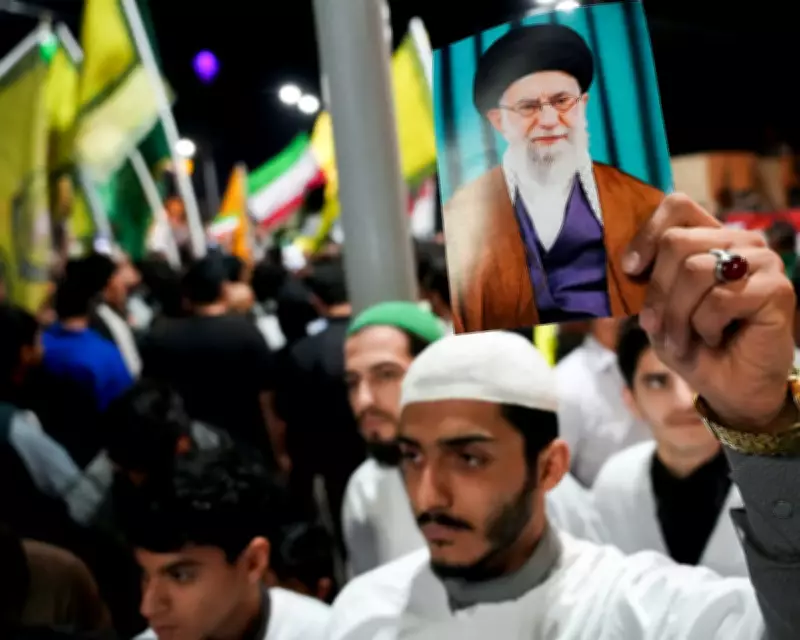
In a dramatic escalation of tensions, the United States and Israel launched coordinated military strikes against Iran in the early hours of Saturday, 28 February 2026, targeting key command structures and resulting in the death of Supreme Leader Ayatollah Ali Khamenei. The attacks, which also reportedly killed senior military figures including IRGC commander Mohammad Pakpour and defence minister Aziz Nasirzadeh, have reignited a conflict that has been simmering since last summer's 12-day war. Former US President Donald Trump hailed Khamenei's demise on social media, calling it "justice for the people of Iran and all Great Americans," while Iran responded with missile and drone attacks on Israel, US bases in the Gulf, and civilian targets.
Strategic Timing and Political Objectives Behind the Assault
The strikes represent not a sudden rupture but the culmination of two years of widening confrontation, particularly since October 2023, when Israel intensified campaigns against Hamas, Hezbollah, and Houthi targets. Trump framed the action as a decisive campaign to eliminate a longstanding threat, diverging from diplomatic efforts for a nuclear deal. He urged Iranians to seize the moment for regime change, stating, "This is the single greatest chance for the Iranian people to take back their country." Meanwhile, Israel's objectives align with weakening Iran strategically, though its focus remains narrower on ensuring Tehran remains internally preoccupied.
Iran's Asymmetric Retaliation and Survival Strategy
Despite lacking conventional parity with US forces, Iran has employed asymmetric tactics, widening the conflict theatre to distribute costs and increase regional risk. Immediate retaliatory strikes against Israeli territory and Gulf installations signal a strategy of sustained escalation aimed at securing a ceasefire. For the Islamic Republic, the priority is survival through military cohesion and continued response, rather than conventional victory. The regime faces a fragile balance, with Gulf states reassessing alliances amid renewed exposure to conflict.

Potential Pathways and Regional Implications Post-Khamenei
With Khamenei removed, Iran's constitutional succession mechanism may activate, but real power likely rests with the Revolutionary Guard and security establishment. Scenarios range from a collective leadership arrangement to internal fractures or even uncontrolled fragmentation akin to Libya's post-Gaddafi collapse. The region faces lasting changes, with energy markets and maritime security at risk. As Sanam Vakil of Chatham House notes, Iran may endure the war, but the Islamic Republic will not survive unchanged, raising questions about the US preparedness for the ensuing regional landscape.