

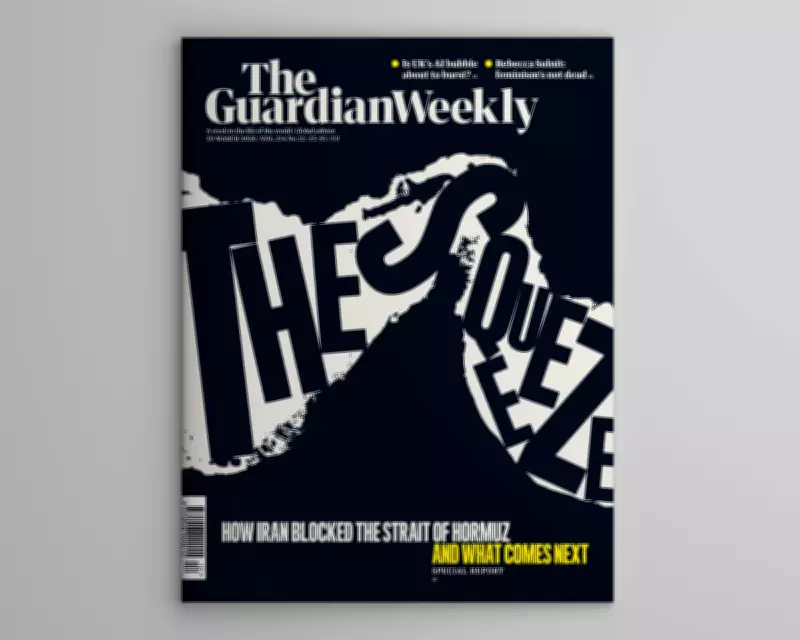
Guardian Weekly's March Edition Delves into Iran's Maritime Blockade and Its Worldwide Economic Impact
As hostilities in the Middle East persist into their third week, international attention has sharply turned toward Tehran's strategic closure of the Strait of Hormuz, a critical maritime passage that could trigger profound global economic repercussions. This week's Guardian Weekly magazine provides an in-depth analysis of this escalating situation, highlighting how the conflict in Iran has effectively severed Gulf states' ability to export approximately one-fifth of the world's oil supply through this vital waterway.
Energy Crisis and Geopolitical Tensions
In the lead feature, energy correspondent Jillian Ambrose meticulously details the mechanics of the blockade, explaining how Iran's actions have created a chokehold on global oil markets. The Strait of Hormuz serves as a primary conduit for oil shipments from major producers like Saudi Arabia, the United Arab Emirates, and Qatar, making its closure a potential catalyst for widespread economic instability.
Peter Beaumont, the magazine's foreign affairs editor, outlines the historical and strategic significance of this maritime route, while exploring possible international responses to counter the blockade. Simultaneously, Hannah Ellis-Petersen reports on the growing fury and frustration across the Middle East, as regional powers express resentment over being involuntarily entangled in a conflict they neither initiated nor supported.

On-the-Ground Reporting and Analysis
Beaumont further examines what he terms "the escalation trap," a dangerous dynamic that could propel both sides toward further confrontation. The edition includes vivid, firsthand accounts from journalists embedded in conflict zones: Jason Burke reports from northern Israel, capturing the tension and uncertainty on the ground, while William Christou provides insights from southern Lebanon. Additionally, a poignant narrative from inside Tehran offers a stark portrayal of daily life amidst the turmoil.
Spotlight on Global Issues
Beyond the Middle East coverage, this week's Guardian Weekly features five essential reads that address pressing global concerns:
- Spotlight | 'Extraordinary Cruelty': Kaamil Ahmed and Alex Clark investigate alarming evidence that starvation is being systematically deployed as a weapon of war in Sudan, with satellite data indicating targeted attacks on agricultural areas to cripple food production.
- Technology | Star Fruit: Chris Stokel-Walker commemorates Apple's 50th anniversary by reviewing the tech giant's most significant achievements and notable failures over the decades.
- Feature | Feminism's Not Dead!: In a powerful rebuttal to those declaring the women's movement obsolete, Rebecca Solnit celebrates the progress made and passionately argues that the fight for gender equality is far from over.
- Opinion | The British Right's Maga Obsession: Kojo Koram analyzes how UK conservatives, once skeptical of American influence, now increasingly emphasize loyalty to Donald Trump and his political movement.
- Culture | One Win After Another: Xan Brooks applauds filmmaker Paul Thomas Anderson's long-awaited Oscar victory for "One Battle After Another," after 11 previous nominations without a win.
Additional Highlights and Human Stories
The magazine also showcases lighter yet impactful content, including a photo exhibition in London that reveals a compassionate community response to the Bibby Stockholm barge, which housed asylum seekers in Portland. This story offers a refreshing counter-narrative to the predominantly negative media coverage, highlighting local efforts to welcome vulnerable individuals.
Further highlights from the Guardian's digital platform include an audio podcast investigating why Muslims worldwide are facing "debanking," a video analysis questioning whether Donald Trump might undermine NATO over the Iran conflict, and a gallery celebrating the beauty of owls and other birds.

Readers are encouraged to share their perspectives on the magazine by emailing weekly.letters@theguardian.com for letters or editorial.feedback@theguardian.com for general feedback. The Guardian Weekly remains committed to delivering comprehensive, thought-provoking journalism directly to subscribers' homes.





