Islamic Nations Unite in Condemnation of Israel's Gaza Actions
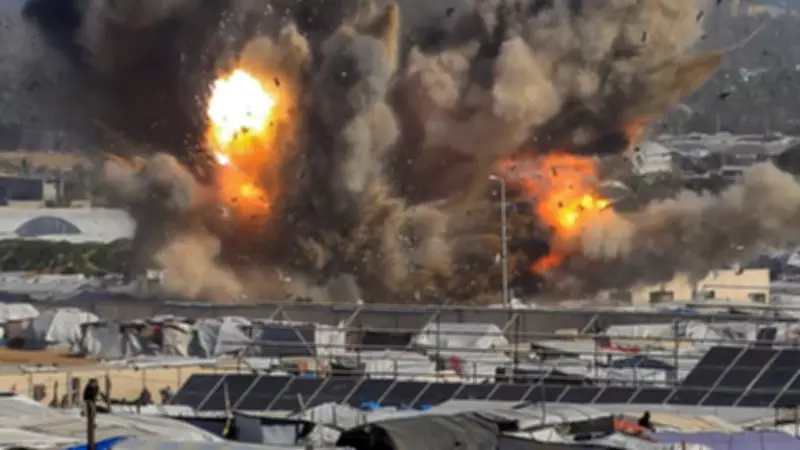
A coalition of eight Islamic nations has issued a strong joint condemnation of Israel, accusing the country of repeated violations of the Gaza ceasefire agreement. The statement comes in response to a weekend of heightened tensions, during which Israeli airstrikes resulted in the deaths of at least 30 Gazans, including women and children.
Diplomatic Rebuke Over Ceasefire Breaches
The foreign ministries of Qatar, Egypt, Jordan, the United Arab Emirates, Indonesia, Pakistan, Turkey, and Saudi Arabia released a coordinated statement warning that Israel's actions risk escalating tensions and undermining efforts aimed at consolidating calm in the region. They emphasised that these repeated violations constitute a direct threat to the political process and could hinder the transition to a more stable phase in the Gaza Strip.
The diplomatic rebuke suggests that Israel's conduct may adversely affect security, humanitarian conditions, and the implementation of US President Donald Trump's peace plan. Officials at Gaza hospitals confirmed that casualties from Saturday's strikes included two women and six children from separate families, highlighting the human cost of the renewed hostilities.

Rafah Crossing Reopens with Severe Restrictions
Amid the controversy, Israel has announced preparations to reopen the Rafah border crossing, a key component of the US-brokered ceasefire between Israel and Hamas. On Sunday, Israel initiated a test operation at the crossing between Gaza and Egypt, with plans to open it for limited resident movement on Monday.
However, the reopening comes with stringent limitations:
- Israeli Prime Minister Benjamin Netanyahu has stated that only 50 patients requiring medical care will be permitted to leave Gaza each day.
- Each patient may be accompanied by up to two relatives.
- An additional 50 Palestinians who left Gaza during the conflict will be allowed to return daily, subject to vetting and supervision by European Union border agents.
These restrictions present significant challenges. With approximately 20,000 individuals in need of urgent medical treatment hoping to leave Gaza, and around 42,000 Palestinians awaiting return from Egypt, the current rate of movement would require years to process all cases. Medical sources in Gaza warn that some patients may succumb to their conditions before they can cross, particularly as the territory's health system remains largely destroyed.
Ban on Medical Aid Charity Sparks Outcry
In a move likely to attract further criticism, Israel's Diaspora Ministry has declared its intention to ban the medical aid charity Doctors Without Borders, known internationally as Médecins Sans Frontières (MSF), from operating in Gaza. The charity's operations were suspended in December after it refused to comply with new registration requirements mandating the submission of employee lists.
Israeli authorities claim the regulations are necessary to prevent Hamas and other militant groups from infiltrating aid organisations. However, MSF has condemned the measures as a pretext to obstruct humanitarian assistance, arguing that they force humanitarian groups into an impossible choice between endangering staff or halting critical medical care for desperate populations.
Avi Cohen-Scali, Director General of Israel's Diaspora Ministry, asserted that MSF had chosen to violate a public commitment and evade the basic transparency required of any humanitarian organisation. The charity is set to have its operations terminated by the end of February unless compliance is achieved.
Symbolic Significance Versus Practical Impact
The reopening of the Rafah crossing holds symbolic importance as Gazans' primary gateway to the world, but its immediate practical impact remains limited. The crossing has been largely restricted by Israel since 2024 over security concerns regarding weapon smuggling by Hamas.

This development follows the recent evacuation of the remains of the final Israeli hostage from Gaza and marks a key step in the second phase of the ceasefire agreement brokered by the Trump administration. Unlike Gaza's other border crossings, which are shared with Israel, Rafah connects directly to Egypt, making its operation crucial for humanitarian and mobility purposes.
The situation underscores the fragile nature of the ceasefire and the ongoing humanitarian crisis in Gaza, where access to medical care and freedom of movement remain severely constrained despite diplomatic efforts.