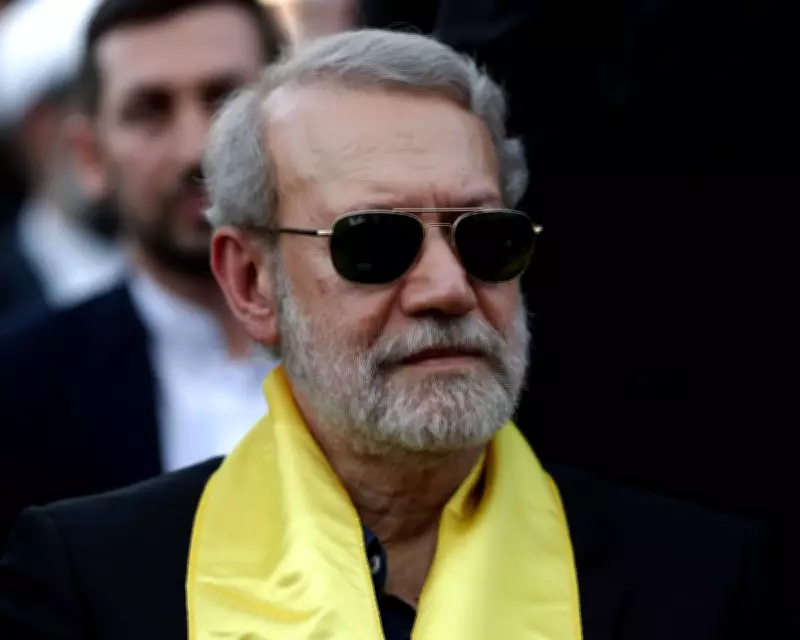
Israel Announces Elimination of Iran's Top Security Official in Overnight Military Operation
Israeli defense officials have confirmed the targeted killing of Ali Larijani, Iran's national security chief, during overnight airstrikes. This development, if verified, would represent the most significant loss for Tehran's leadership since the conflict's inception, removing a central figure from the regime's political and security apparatus during a period of intense regional instability.
Strategic Implications of Larijani's Reported Death
The potential elimination of Ali Larijani carries profound consequences for Iran's governing structure. As a pivotal operator within both political circles and security networks, his absence would create substantial operational challenges for Tehran's decision-making processes. Israeli Defense Minister Israel Katz simultaneously announced the successful targeting of Gholamreza Soleimani, commander of the Basij paramilitary force, along with several other senior figures from the organization.
Iranian authorities have maintained official silence regarding these claims, neither confirming nor denying the reported casualties. The timing coincides with heightened tensions throughout the Middle East, where multiple fronts have seen escalating military engagements between Iranian-backed factions and Israeli forces.

European Powers Reject U.S. Naval Deployment Requests
Meanwhile, European leaders have firmly declined former President Donald Trump's appeals to dispatch warships to the Strait of Hormuz. Despite explicit warnings about NATO's future viability, Germany, Italy, and France have collectively stated they have no current plans to contribute naval assets to any U.S.-led operation to reopen the critical waterway.
European diplomats instead emphasize continued support for negotiated solutions to resolve the shipping corridor blockade, through which approximately twenty percent of global oil and gas supplies traditionally flowed before Iranian restrictions. British officials have similarly indicated they will avoid deeper military entanglement, stating they refuse to be "drawn into the wider war."
Humanitarian Crisis Unfolds in Southern Lebanon
The conflict's human toll continues to mount, with hundreds of thousands of displaced Lebanese civilians facing uncertain futures. Many fear Israel's announced ground campaign expansion into new southern Lebanon territories signals preparation for prolonged occupation. Defense Minister Katz explicitly stated that displaced populations would not receive permission to return home until Israeli border communities achieve guaranteed security, drawing direct parallels with Gaza displacement patterns.
Economic and Energy Market Repercussions
Global energy markets have responded to the escalating conflict with renewed volatility. Oil and gas prices have surged following Iran's first successful attacks on production facilities since hostilities began. Brent crude benchmark prices reached $103.2 per barrel on Tuesday, reflecting investor concerns about sustained supply disruptions.
The broader geopolitical landscape continues to evolve rapidly, with multiple international actors assessing their strategic positions. Regional stability remains precarious as military actions and diplomatic maneuvers unfold simultaneously across several theaters of engagement.