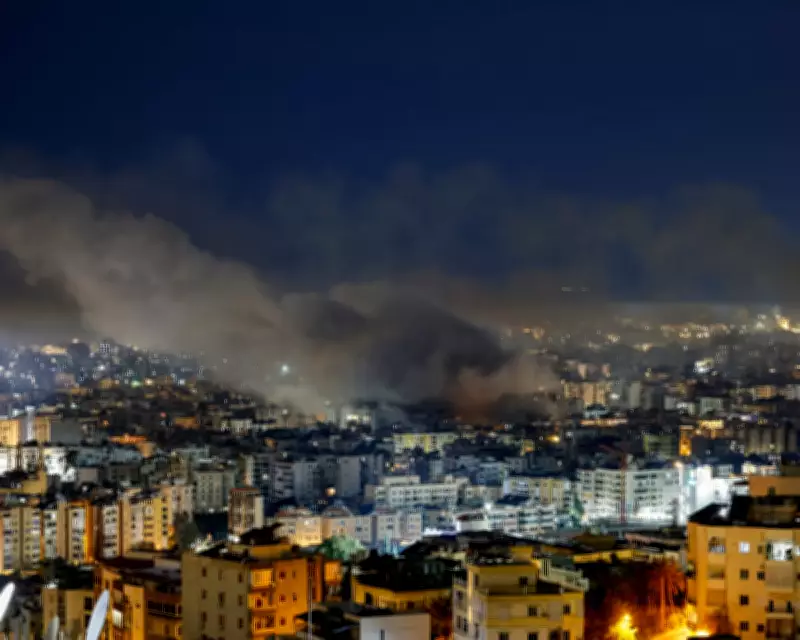
In a significant escalation of regional tensions, Israel conducted a series of airstrikes targeting southern Beirut, Lebanon, early this morning. The attack has prompted Lebanese authorities to issue an immediate mass evacuation order for residents in the affected areas, raising fears of a broader conflict.
Details of the Attack and Evacuation
The strikes focused on districts in southern Beirut, with reports indicating damage to infrastructure and potential casualties. Lebanese officials have mobilized emergency services to assist with the evacuation, urging civilians to leave swiftly to ensure their safety. This move comes amid heightened security concerns and the potential for further military actions.
International Reactions and Diplomatic Fallout
The attack has drawn sharp criticism from Iran, with Tehran condemning the strikes as a provocative act that threatens regional stability. International leaders, including Spanish Prime Minister Pedro Sanchez, have expressed deep concern, calling for restraint and diplomatic solutions to prevent further escalation. The incident underscores the fragile geopolitical landscape in the Middle East.

Background and Implications
This development follows ongoing tensions between Israel and Iran-backed groups in Lebanon, with previous skirmishes and threats. Analysts warn that the strike could lead to retaliatory measures, potentially drawing in other regional actors and complicating peace efforts. The mass evacuation order highlights the immediate humanitarian impact on Lebanese civilians.
As the situation unfolds, global observers are closely monitoring for updates, with calls for de-escalation and dialogue to avert a larger crisis. The attack marks a critical moment in Middle Eastern politics, with implications for international security and diplomacy.